Modular construction and solar as a long-term solution
Growing companies find themselves in a familiar paradox. They have to build infrastructure for a business that doesn’t yet exist, based on a plan that will inevitably change. The space that looks just right today becomes tight in three years, and the one that looks too big is paid for immediately — through extra square meters, energy costs, maintenance and interest.
This is not a problem of poor planning. It is the nature of growth. Nobody knows with certainty where their company will be in five years — what products it will make, which channels it will sell through, how many people it will employ. Yet an investment in a building demands a decision that very rarely matches reality.
A classic hall asks you to predict the future
In traditional construction, everything is decided at the very beginning. Size, layout, installed power, heating system, roof, storage capacity. Once construction starts, changes become expensive. If you need an additional thousand square meters two years later, you essentially start from scratch. If that extra space is never used, it is paid for every year through maintenance, electricity and tax.
The energy system follows the same logic. Connected power, the transformer station and the installations are sized to estimated needs. If growth is faster than the plan, capacity becomes a bottleneck. If it is slower, you pay for infrastructure that doesn’t get used.
Modular construction that follows the company’s rhythm
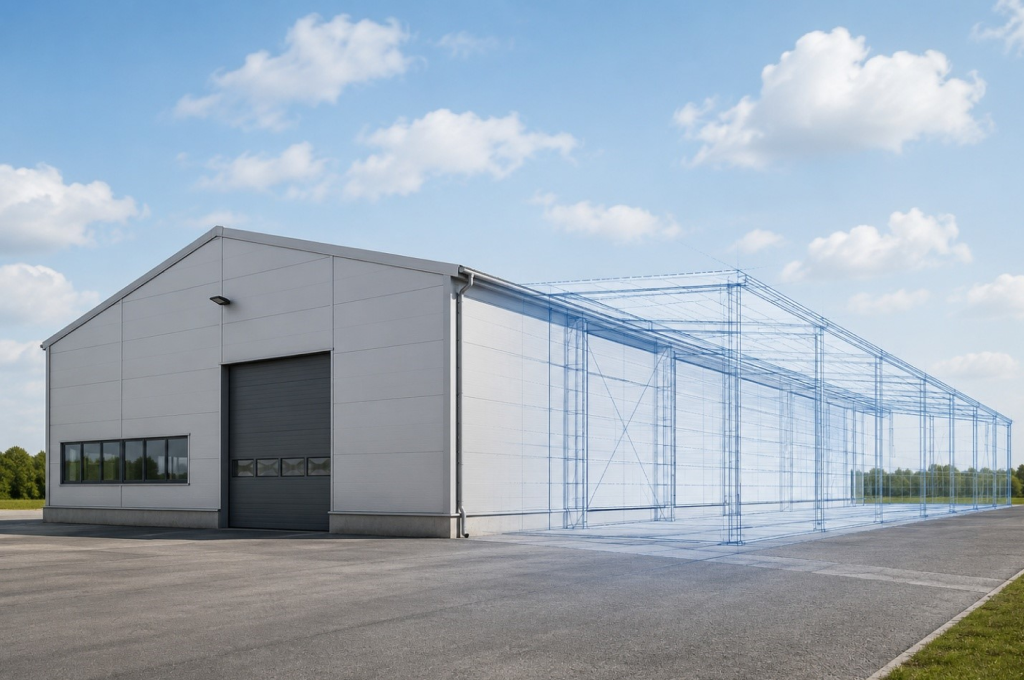
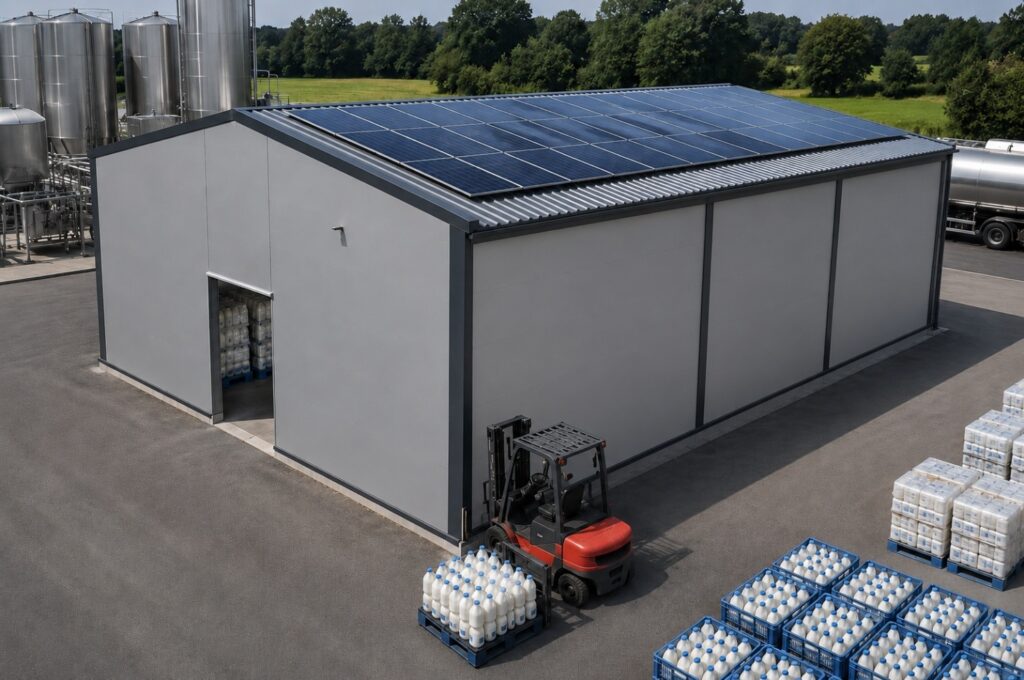
A modular hall works on a different principle. The basic building is set up at a size that matches current needs, but it is designed with the awareness that it will be expanded. New modules are added laterally or vertically, with connections, installations and structural capacity foreseen in advance. Extensions are planned in days, not months, and they don’t stop the existing business.
When a company needs another five hundred square meters two years later, it doesn’t go through permits, design and foundations again. A new module is ordered, delivered and assembled. The hall grows together with the business — gradually and in a controlled way, without the kind of large one-off investments that have to be defended in front of a bank or a board.
Solar that follows consumption
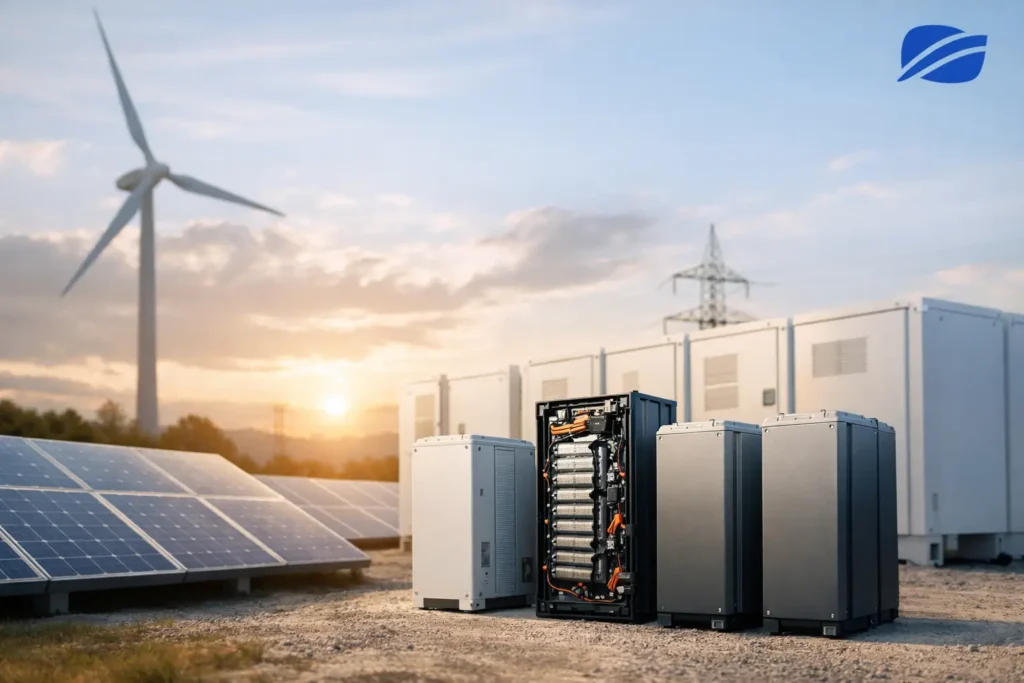
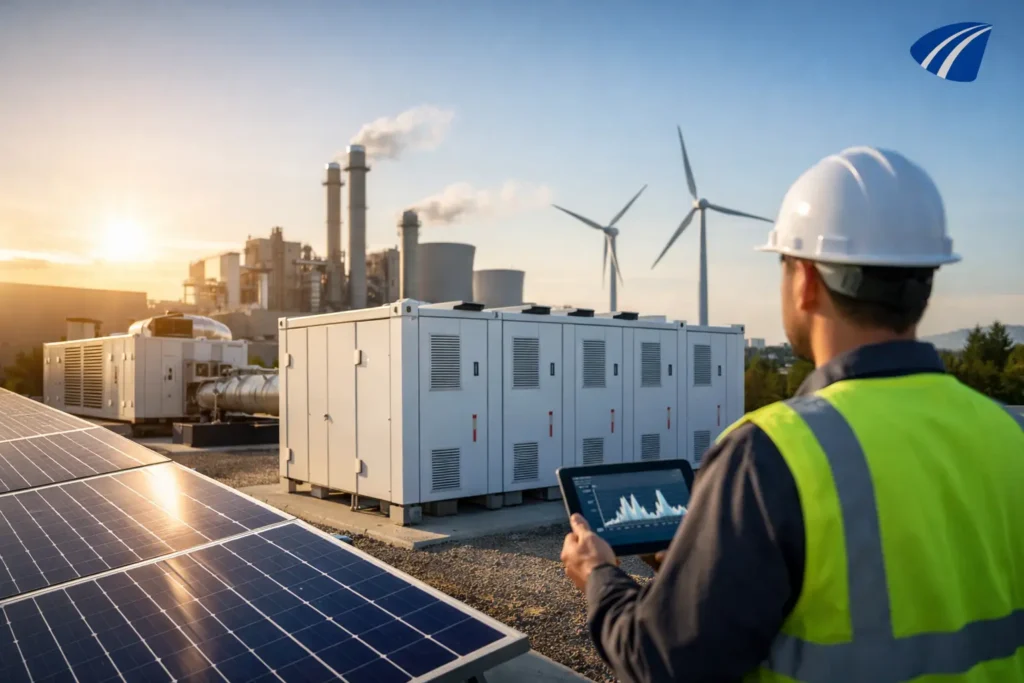
The same principle applies to the energy system. The solar system is sized to today’s consumption, with a built-in possibility of increasing capacity as the company grows. When a new production line, a cold-storage module or several thousand additional square meters are added, solar follows the change — new panels are added, inverter capacity is increased, battery storage is added when it makes sense.
This means the company doesn’t pay upfront for infrastructure it doesn’t yet need. The investment in the energy system grows in parallel with actual consumption, not with assumed consumption.
Which companies benefit most from this approach
The biggest value goes to companies with a clear but uncertain growth path. A typical case is a manufacturer already running at full capacity and considering the next step, but without certainty whether it means doubling the number of lines or just adding one more. The same applies to logistics operators tracking the growth of e-commerce customers, who have to scale storage capacity in stages, not all at once.
It also applies to companies in the cold chain — distributors of fruit, meat, dairy products — whose volume changes seasonally and from year to year, and who don’t want to build cold storage sized for a peak that only occurs two months a year. Agribusiness with new crops, tech companies expanding their production line and second-generation family businesses taking over with a different vision — all fall into the same category. They have a clear starting need and an open growth horizon.
A long-term solution through short-term decisions
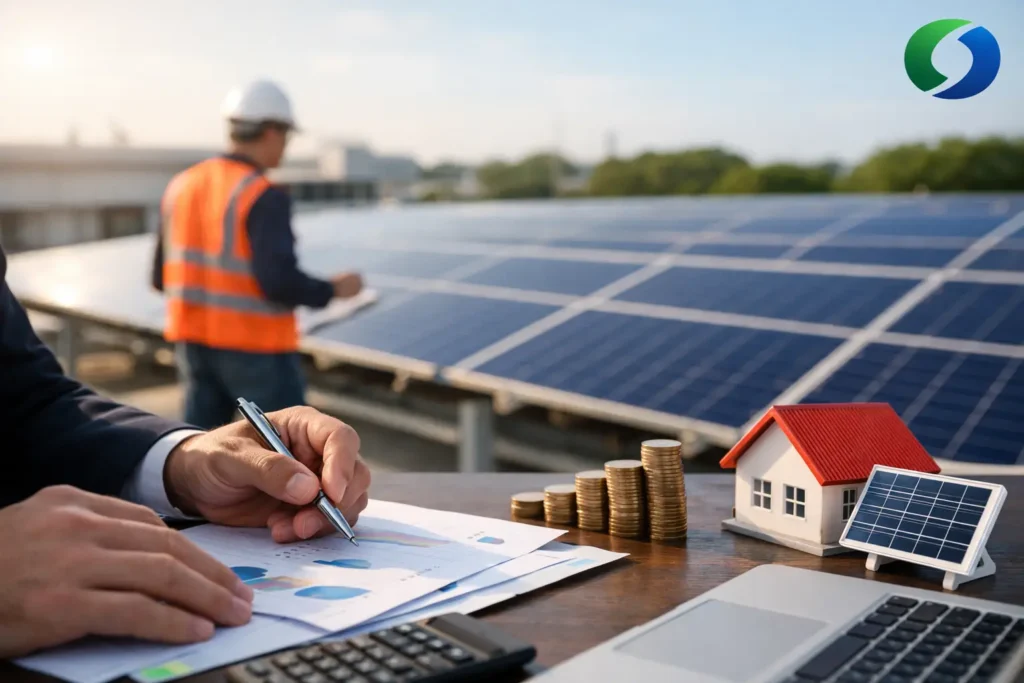
The value of this approach isn’t visible in one decision, but in a series of decisions the company makes over the next ten, fifteen or twenty years. Every extension is a smaller investment with a shorter payback. Every expansion of solar comes after a period during which the previous system was already returning part of the investment through savings on electricity.
This is the opposite of a single large fixed investment justified by an optimistic five-year plan. Instead of guessing what it will need in five years, the company makes smaller decisions that adapt to the actual situation.
| Company growth rarely follows a straight line. The investment in space and energy doesn’t have to be one big, unchangeable decision either. A modular hall with a solar system lets the infrastructure follow the business — growing when the company grows, and not being paid for in advance. Schedule your free feasibility study: nevena.milenkovic@energize.rs |