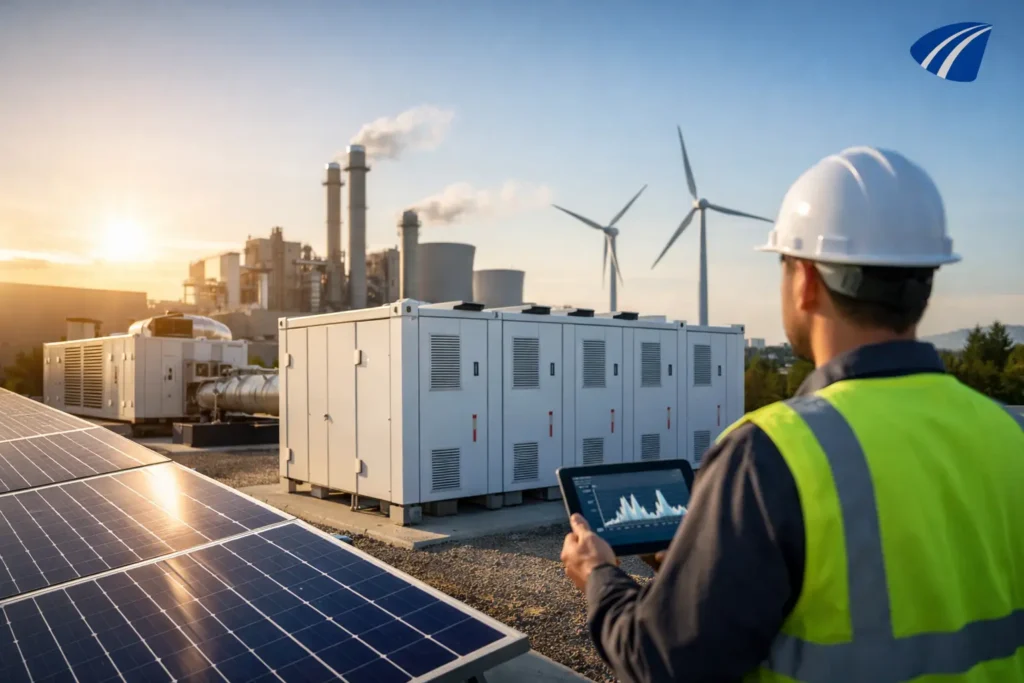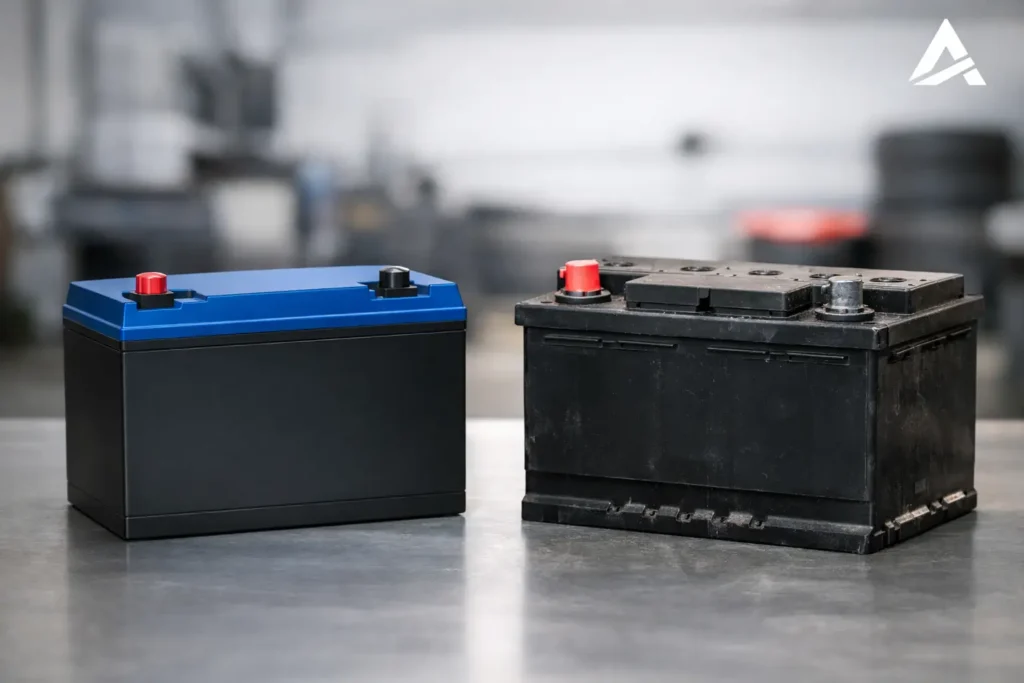
On a modern farm, energy is no longer a side item. It powers irrigation pumps, cold storage, lighting, administration, sensors and daily logistics. The problem is that on many farms and in remote production zones, energy is also where you feel most acutely how expensive, unpredictable or physically unavailable it can be. Where the work is busiest — between fields, at a pumping station, in a seasonal storage shed — the grid often hasn’t reached at all, or it arrived so long ago that it can no longer handle today’s scale of operations.
Energy becomes strategic, not a technical line item
Agriculture today operates under several pressures at once. Input prices keep rising, climate conditions are increasingly unpredictable, and the market — especially the export market — demands higher efficiency and traceability. In that context, energy directly affects yield, product quality and the ability to keep operations running without interruption.
This is clearest in irrigation, storage and processing. When reliable power is missing, deadlines slip, perishability rises and the cost of improvisation grows. The diesel generator was the standard answer for a long time, but defending it gets harder once you factor in fuel prices, maintenance, noise, emissions and the logistics of trucking fuel out to remote locations.
A system that scales with production
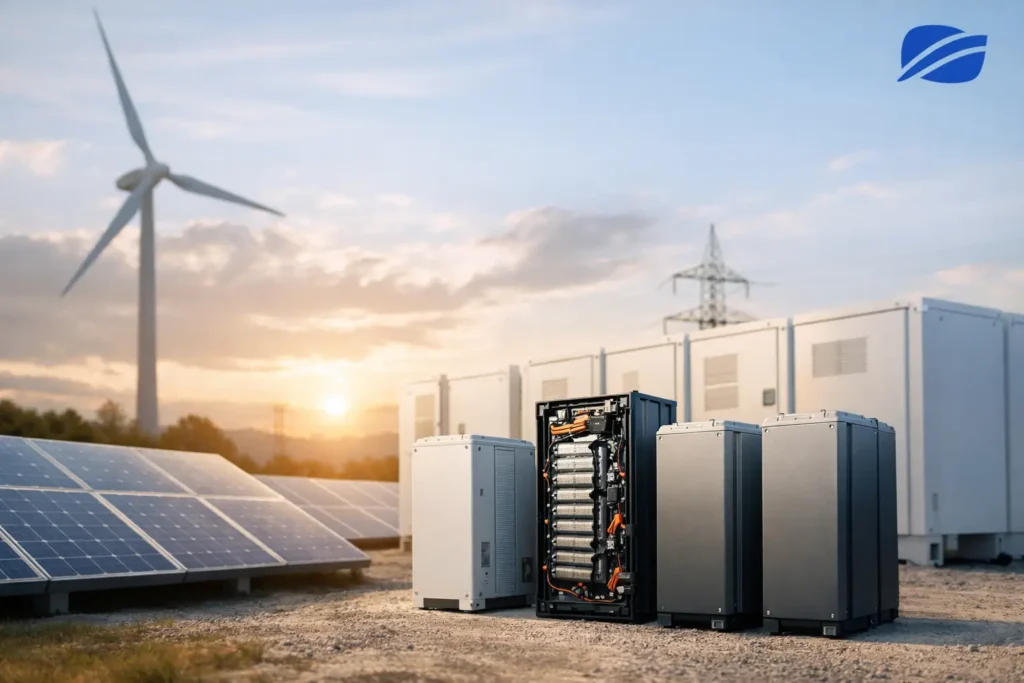
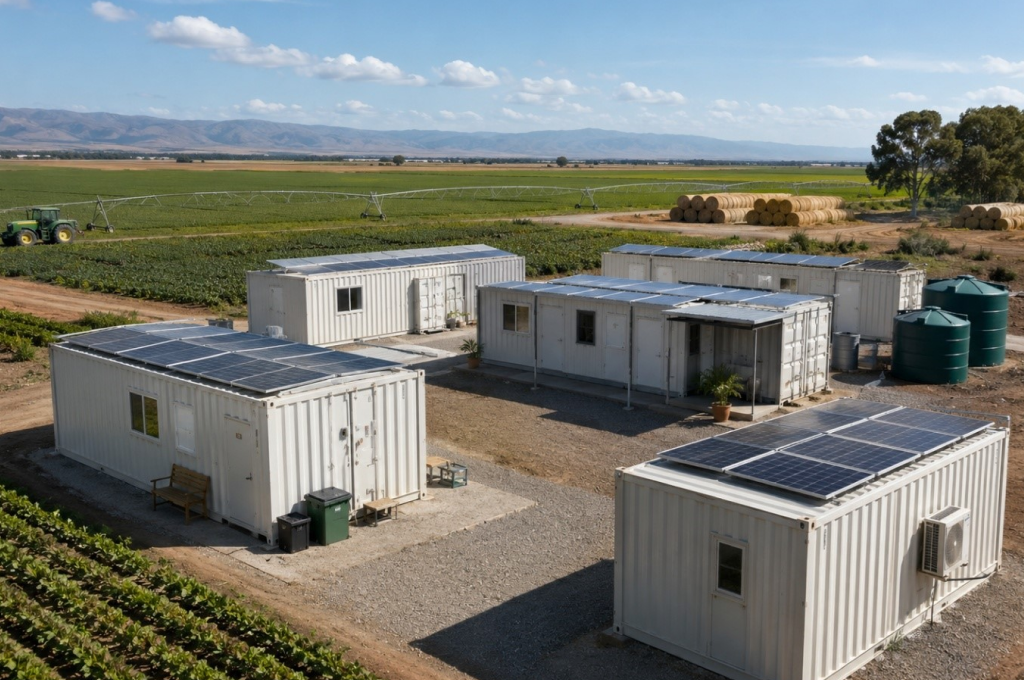
A modular solar system with battery storage changes that context. The farm gains its own, scalable energy foundation that can run independently of the grid or take pressure off an existing connection. The system is installed quickly, and capacity can be expanded or relocated later as production changes.
Modularity matters especially here. Energy needs on a farm are not the same all year round. During irrigation, harvest or intensive storage seasons, loads rise sharply; off-season, they drop. A modular system follows the actual development of production instead of demanding a single oversized investment up front.
The other important consequence is organizational. When power is no longer tied strictly to a connection point, equipment and supporting infrastructure can go where the work actually is — between fields, on a seasonal site, on a new plot — and not only where the grid happened to reach decades ago.
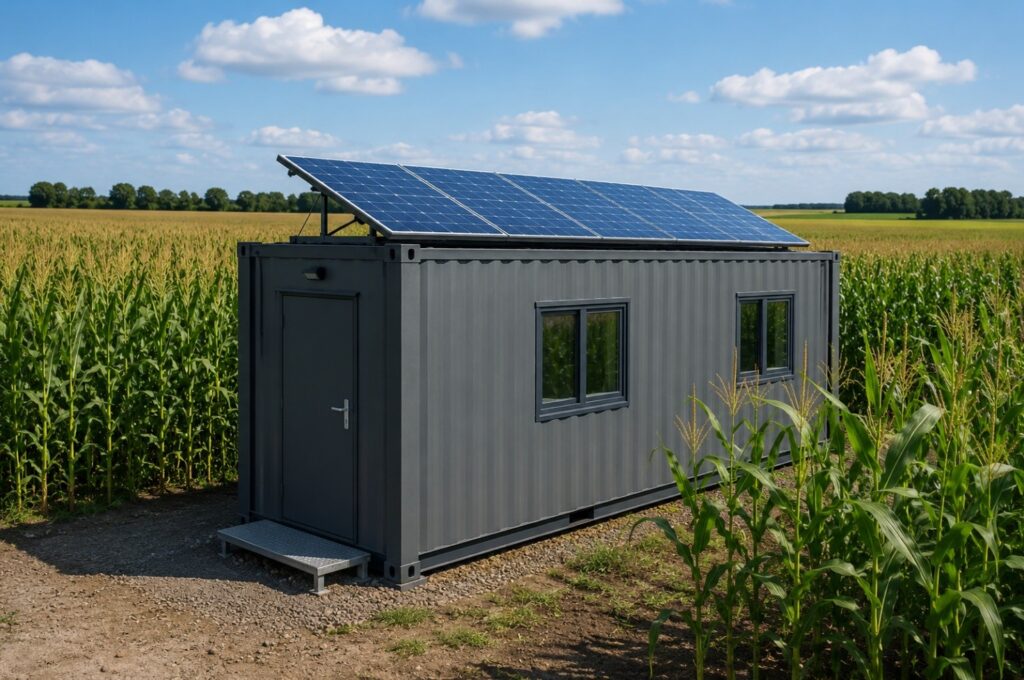
Which parts of the farm benefit most from this
The application is clearest in irrigation. Energy demand peaks precisely when sunlight is most abundant, so solar production naturally aligns with the operation of pumps and supporting systems. The farm gains more control over the critical periods of the season and depends less on expensive, temporary sources of power.
The same applies to cold storage, warehouses and auxiliary buildings. For fruit, vegetables, dairy and other sensitive products, power stability directly affects quality and market value. A more reliable foundation for storage makes a difference especially at locations where the grid is weak or seasonally unstable. A third typical use case is remote plots and seasonal work — field offices, worker accommodation, sanitary support and mobile work zones often have no adequate infrastructure, and the short operating period doesn’t justify a permanent grid connection.
Predictability as value
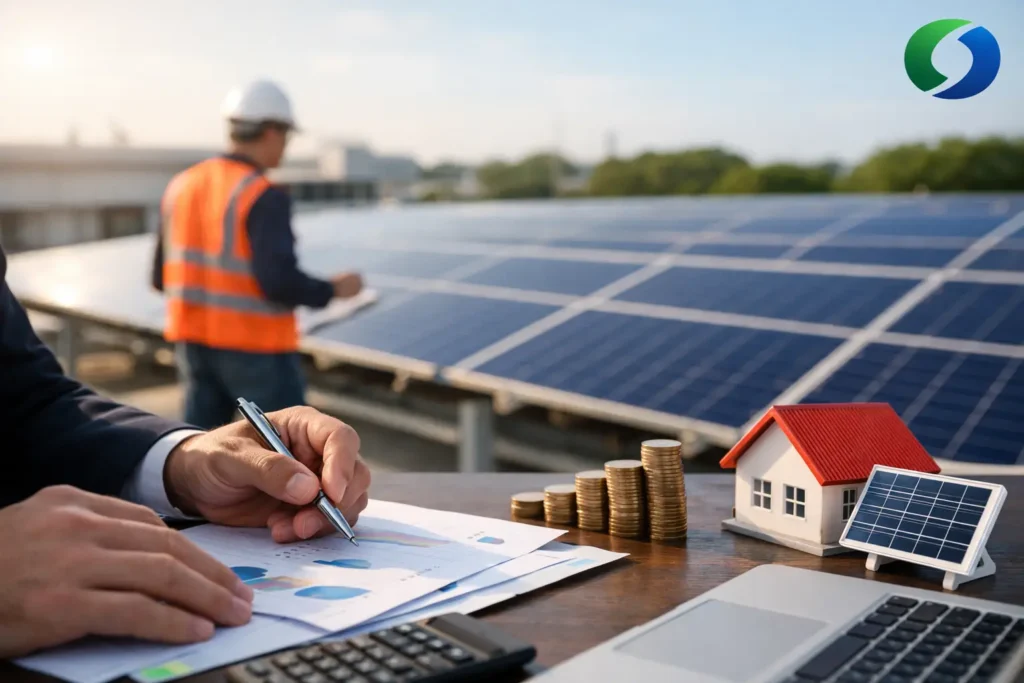
In agriculture, it’s easy to put off an investment that looks large at first glance, especially when a season is uncertain. But it’s equally easy to underestimate the cost of daily improvisation, pump breakdowns, fuel transport, work stoppages and product losses. A view of the total cost of ownership across 25 to 30 years of operation often paints a different picture than a simple comparison of upfront prices.
When energy is seen as the infrastructure foundation of production rather than a monthly expense, the picture changes. A predictable operating cost has its own value — especially in agriculture, where so many other factors are unpredictable. And for farms that export or plan to enter more demanding sales channels, more orderly operations and sustainable energy use are increasingly a precondition, not a plus.