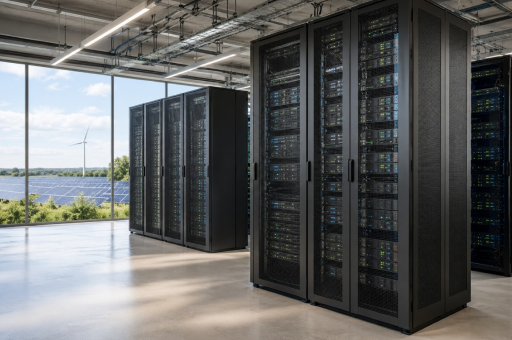
The technological shift is no longer a keynote prediction. It is live, consuming power, and demanding physical space in real time. Traditional cloud data centers, engineered for data storage and standard application workloads, are gradually giving way to a fundamentally new architecture. Artificial Intelligence introduces an entirely different pattern of network behavior, power density, and thermal management. Welcome to the era of AIDC (AI Data Centers).
As a manager or investor operating within the EMEA market, the challenge before you is straightforward: how to invest in digital infrastructure that will not face technological obsolescence before delivering a return on capital. The answer lies in mastering the specific know-how principles that AI imposes on location and capacity.
The Power Architecture: Why AI Redefines Capacity Metrics
When analyzing the capacity of a conventional data center, the focus is typically on linear scaling. AI rewrites this playbook. Instead of distributing compute resources across thousands of small, isolated tasks, AI demands concentrated power to process massive datasets and neural networks. This shift directly impacts the energy density of equipment racks.
- Standard Cloud Rack: Consumes between 5 kW and 15 kW. Cooling relies predominantly on conventional forced-air systems.
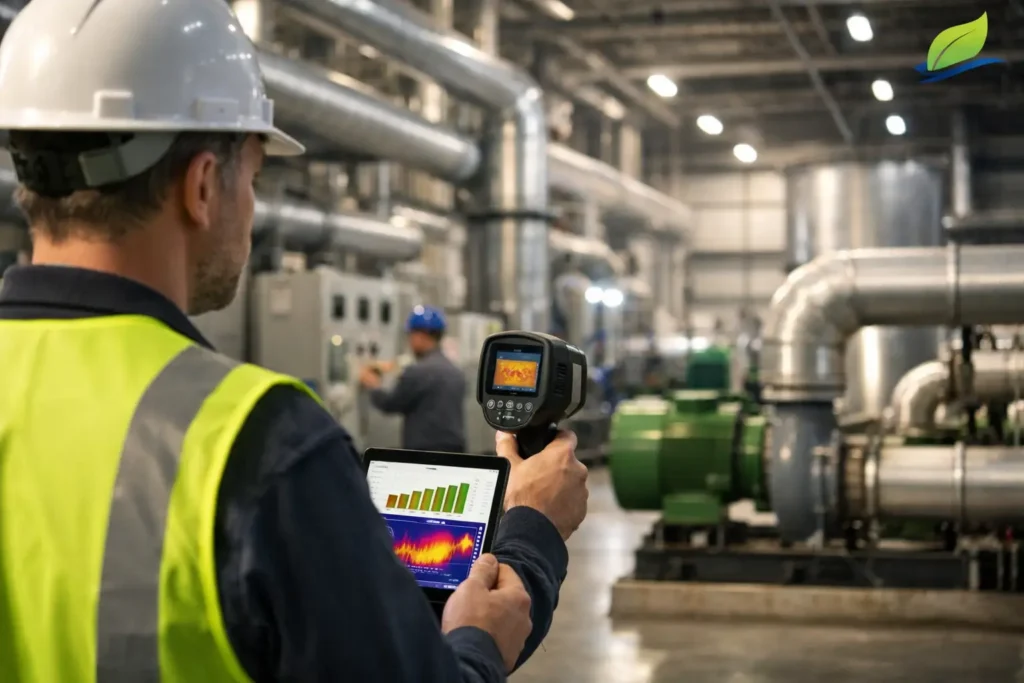
- AI-Specialized Rack: Requires anywhere from 40 kW to over 100 kW per unit. Air cooling ceases to be viable at this threshold, making the integration of direct-to-chip liquid cooling systems mandatory.
This reality implies that locations offering real estate without robust power infrastructure will inevitably fall behind. Capacity is no longer measured by the square meters of a facility, but by the availability of stable, high-voltage megawatts capable of supporting extreme demand spikes without compromising the local grid.
The Location Dilemma: Training Versus Inference
A common management pitfall is assuming that every AI data center must be positioned in close proximity to the end user. A strategic know-how framework requires a strict division of investment focus based on the two fundamental workflows of artificial intelligence:
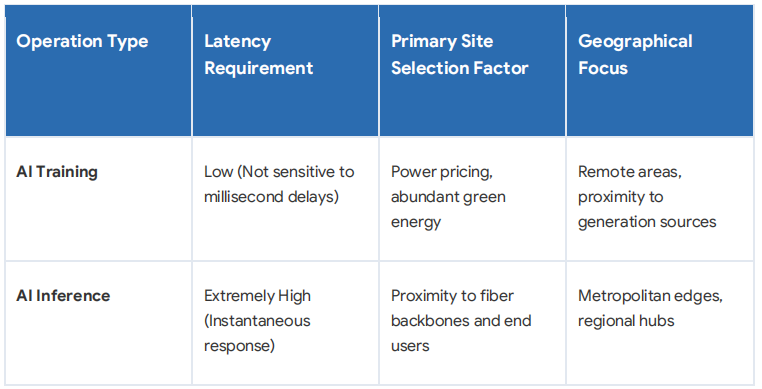
For training models, selection priorities tilt toward regions with cold climates and low-cost renewable energy, such as the Nordics. Conversely, for real-time model inference, capital should target locations that deliver high-speed network connectivity to major commercial hubs.
Serbia as the Hidden Asset of the EMEA Region
As the EMEA landscape evolves, traditional primary hubs like Frankfurt or Amsterdam are facing stringent regulatory constraints on power allocation and land usage. Consequently, alternative geographical and infrastructural regions are emerging as vital solutions.
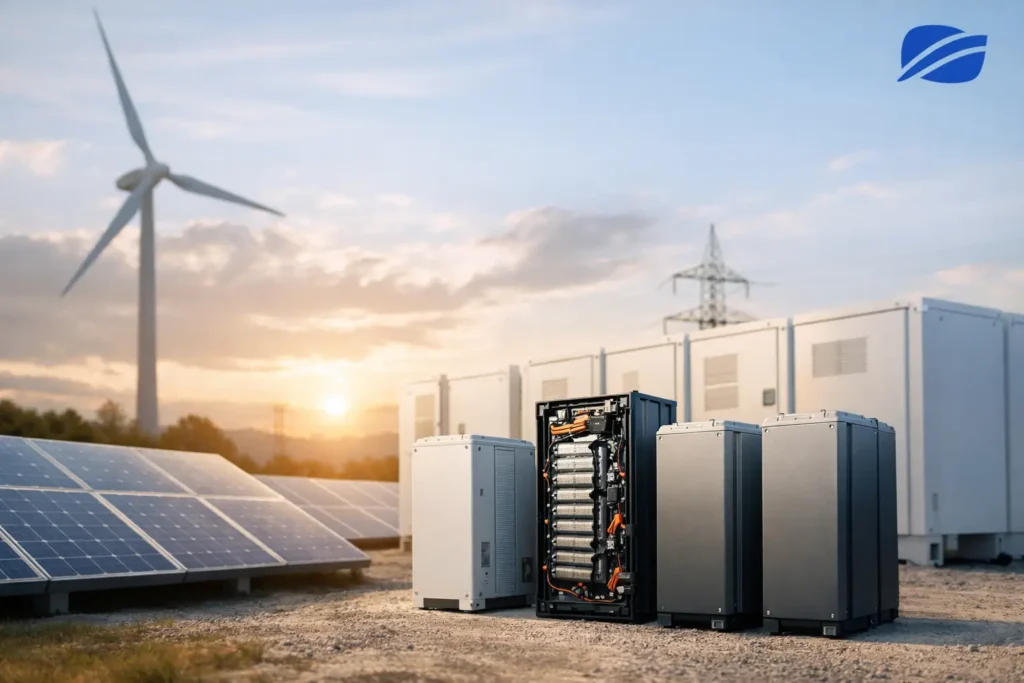
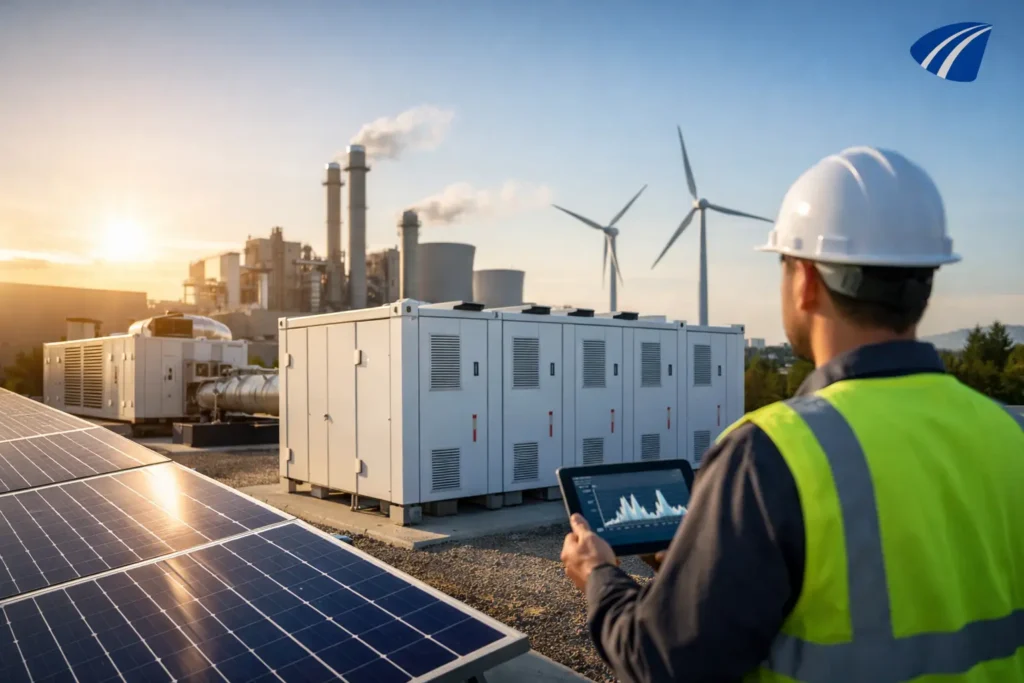
Serbia is positioning itself as a highly attractive market for AIDC development due to several strategic advantages. First, its geographic location offers optimal latency to both Western Europe and the Middle East. Second, the country’s aggressive infrastructure development, particularly the rapid integration of utility-scale solar parks and renewable energy assets, provides opportunities for behind-the-meter power solutions that bypass congested public grids. Streamlined administrative timelines and highly competitive operational expenditures make it an ideal launchpad for regional AI Inference centers serving Southeastern Europe.
The potential of the AIDC market over the next five years extends far beyond conventional IT sector growth. This represents a fundamental energy and infrastructure transformation. Organizations that promptly shift their strategic focus from square meters to megawatts, while properly balancing locations between training and inference workloads, will secure a dominant position in the EMEA market. Emerging markets, with Serbia at the forefront, present a compelling window for early-stage investments engineered for high capital returns.