Power outages rarely come with advance warning, and they almost always occur at the worst possible moment during a production run, while refrigeration systems are operating, in the middle of data processing, or when a facility is under peak load.
That is why a guide to facility power redundancy is not merely a theoretical topic for technical teams. It is a direct business issue: how much does one hour of downtime cost, and has your energy infrastructure truly been designed to mitigate that risk?
For industrial facilities, logistics centers, telecommunications, healthcare, retail, and data centers, redundancy is not the same as backup power. Backup power is only one component. Redundancy is a system design principle that ensures a single equipment failure, grid outage, or maintenance intervention does not interrupt critical processes.
Achieving this requires accurate calculations, clearly defined levels of criticality, and the integration of multiple energy sources and subsystems into one coordinated infrastructure.
What Facility Power Redundancy Includes
Facility power redundancy means providing pre-planned alternative power paths for critical loads.
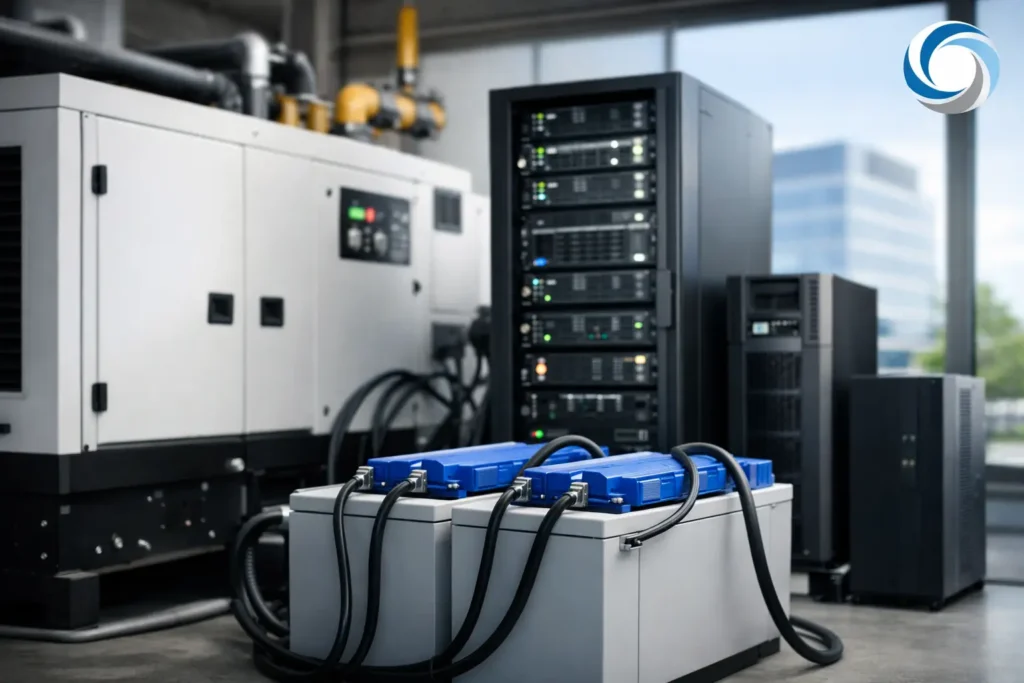
In practice, this may include a combination of two independent grid feeders, UPS systems, battery energy storage, diesel generators, static and automatic transfer systems, separate distribution branches, and continuous power quality monitoring.
The key is understanding that not every facility requires the same level of protection.
An office building and a data center do not have the same risk profile. A cold storage facility and a manufacturing plant with highly sensitive processes also require different solutions.
Professional system design does not begin with equipment selection. It begins by mapping the consequences of an outage financial, operational, safety-related, and regulatory.
A Guide to Facility Power Redundancy Starts with Priorities
One of the most common mistakes is treating all loads as equally important.
They are not.
Redundancy creates value when loads are classified by priority and the investment is directed toward areas where it genuinely reduces risk.
The first category includes critical loads that cannot tolerate even a one-second interruption. These may include server rooms, security systems, PLC controls, telecommunications equipment, emergency lighting, fire suppression systems, medical equipment, or parts of a production line where a momentary interruption could ruin an entire batch or cause costly damage.
The second category includes important loads that can withstand a brief interruption but not a prolonged outage.
The third category consists of non-critical loads that can be disconnected during an incident without serious consequences for the business.
When this classification is performed correctly, it creates a realistic basis for system sizing. When it is skipped, the investment tends to become either unnecessarily expensive or insufficient.
Redundancy Is Not Simply More Equipment
Installing an additional UPS or a larger generator does not automatically make a facility more redundant.
If the system still contains a single point of failure such as one main switchboard, one transfer panel, inadequate battery-room cooling, or a single communication and control platform the entire infrastructure remains vulnerable.
Redundancy must therefore be designed around eliminating single points of failure.
In some cases, it is more rational to divide loads across two independent distribution paths than to purchase one larger unit. In others, ensuring protection selectivity and installing a reliable Automatic Transfer Switch (ATS) is more important than increasing generator capacity.
Sometimes the primary issue is not runtime at all, but voltage quality, harmonics, frequency fluctuations, or short-duration voltage dips.
How to Select the Right System Architecture
In practice, facility power redundancy generally consists of three core layers.
The first layer addresses short interruptions and power quality disturbances. This is where UPS systems, rectifiers, and batteries play the primary role.
Their purpose is not necessarily to power the entire facility for hours, but to ensure uninterrupted continuity, stabilize the power supply, and provide sufficient time for a safe transition to the next source.
The second layer covers medium- and long-duration grid outages. This usually includes diesel generators with appropriate automatic starting and transfer systems.
Their value is not determined solely by rated power. It also depends on starting reliability, fuel availability, service organization, and alignment with the facility’s actual load profile.
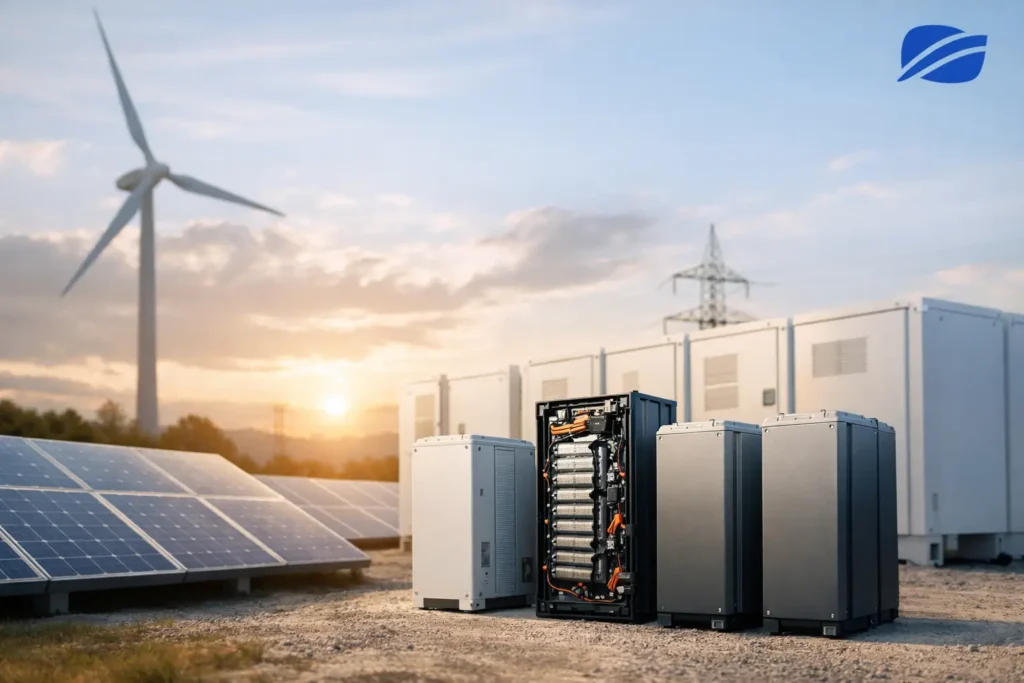
The third layer focuses on optimization and flexibility. This includes BESS solutions, solar power systems, and advanced power management.
In a well-designed facility, these technologies do more than reduce energy costs. They can also support peak shaving, assist during source transitions, relieve the grid connection, extend autonomy, and improve control over energy expenditure.
This is where the difference between purchasing individual pieces of equipment and implementing an integrated engineering solution becomes clear.
If UPS systems, generators, batteries, solar installations, and controls are designed separately, the overall system often operates below its potential. When designed as one coordinated architecture, the facility gains both resilience and a better total cost of ownership.
How Much Autonomy Is Enough?
There is no universal answer, and precision is essential.
For some facilities, 10 to 15 minutes of UPS autonomy is sufficient just enough time for the generator to start and assume the load.
Others may require one to two hours of battery support due to sensitive equipment, unstable grid conditions, or process-specific requirements.
In some cases, particularly at sites where downtime is extremely expensive or fuel access is limited, BESS may assume a much larger role.
Incorrect sizing can be costly.
If autonomy is designed too conservatively, the investor pays for more capacity than is needed. If it is designed too optimistically, the result is a system that looks adequate on paper but fails to protect the business during a real incident.
A professional calculation must account for peak currents, power factor, actual load behavior, temperature, battery degradation, and generator operating modes.
Where Companies Most Often Make Mistakes
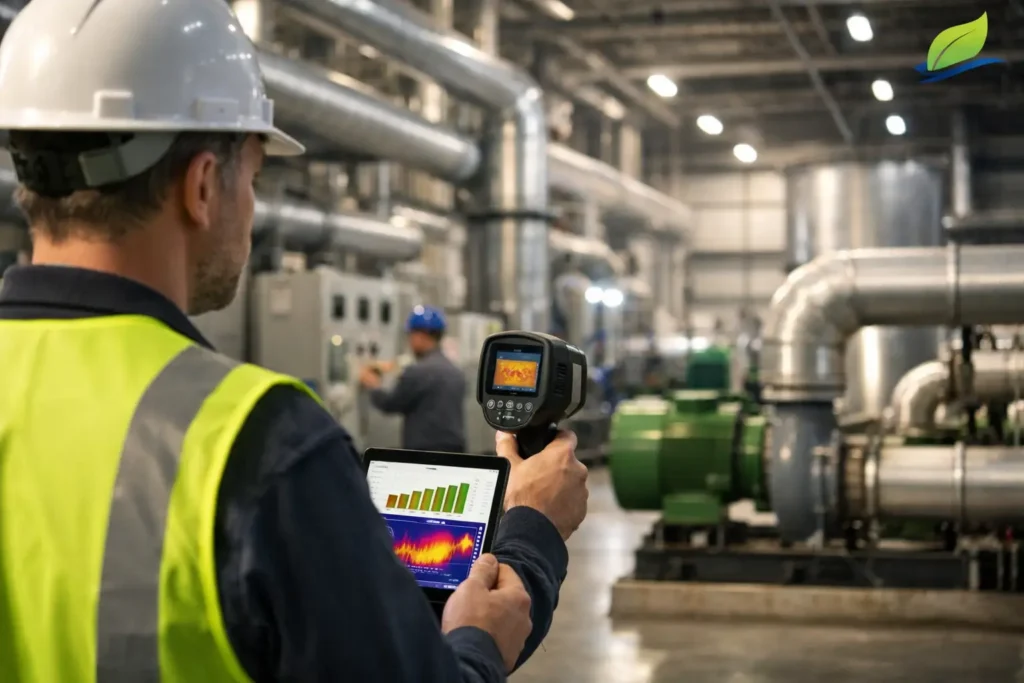
The first mistake is purchasing equipment without conducting an energy study and load analysis.
The second is relying on nominal equipment ratings instead of the facility’s real consumption profile.
The third is neglecting the infrastructure around the system, including ventilation, cooling, fire protection, service access, and operating conditions.
Another common mistake is assuming that a generator will solve every problem.
A generator without proper transfer equipment, regular testing, and coordination with the UPS is not a complete solution.
The same applies to solar power. A solar installation without storage and suitable control logic does not represent redundancy in the conventional sense, because its ability to support the facility during a grid outage depends on the architecture and operating mode of the system.
A particularly serious issue arises when multiple suppliers deliver separate parts of the infrastructure without one party taking overall responsibility.
During an incident, each supplier may confirm that its own equipment is functioning correctly, while the facility remains offline.
For this reason, serious investors increasingly seek a single partner capable of assuming responsibility for system design, integration, commissioning, and long-term maintenance.
What a Sound Investment Approach Looks Like
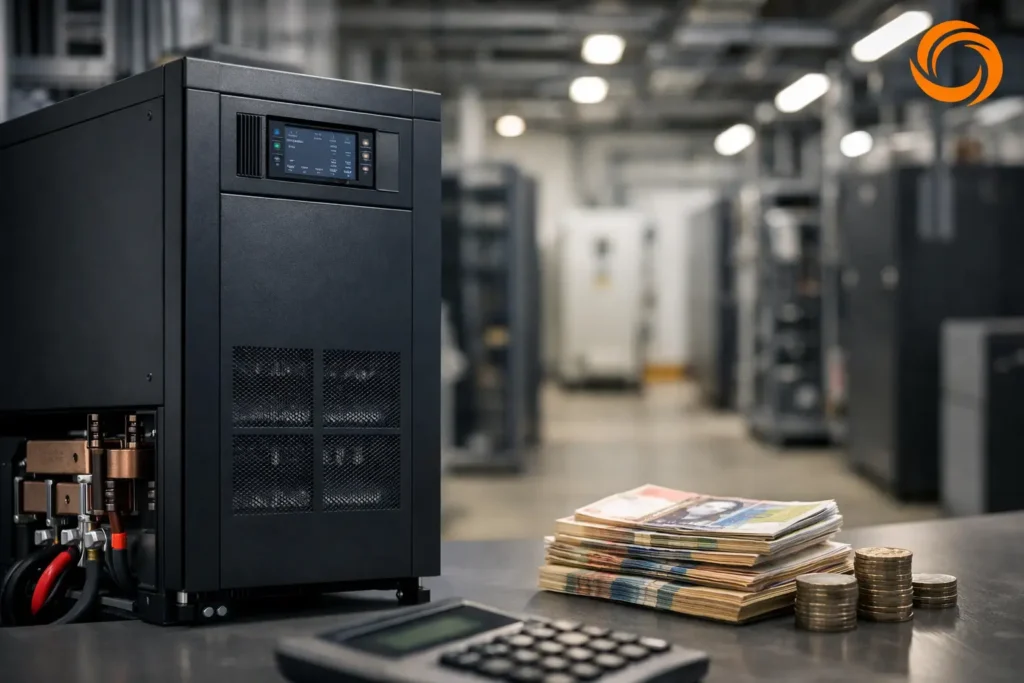
A strong power redundancy project does not begin with an equipment catalog. It begins with the question: how much does operational downtime cost?
Once the financial impact of one hour of interruption is calculated, it becomes much easier to understand why properly sized energy infrastructure is an investment rather than an expense.
The total cost of ownership must also be considered.
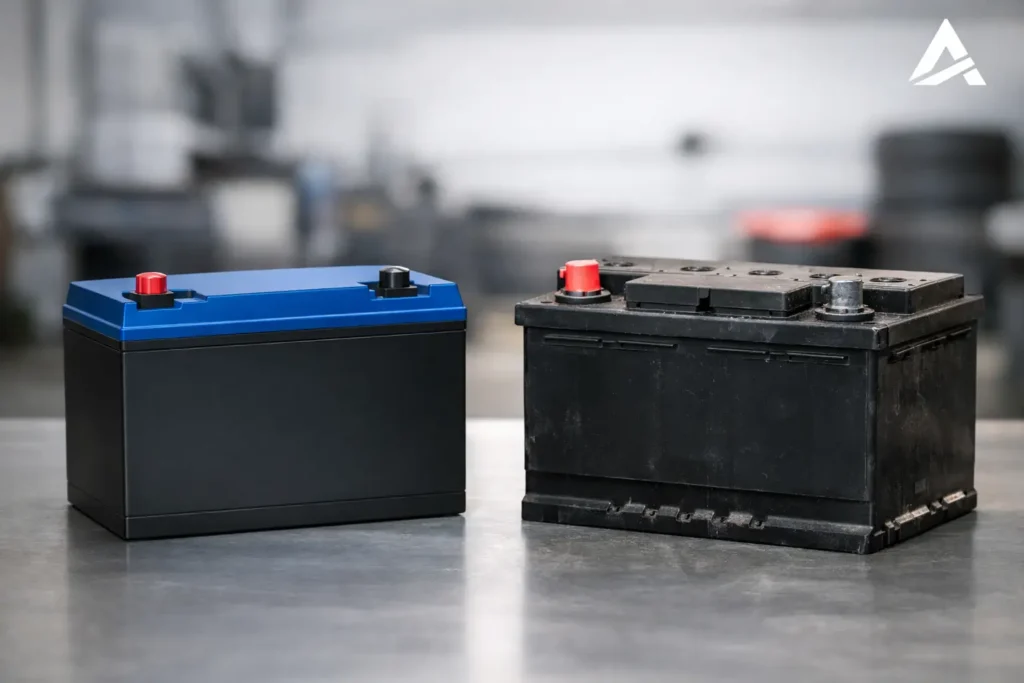
A lower initial purchase price may result in shorter battery life, weaker service support, higher fuel consumption, more frequent failures, and more expensive downtime.
At the same time, the most expensive solution is not automatically the best if it does not reflect the facility’s actual needs.
For manufacturing companies and logistics centers, the decisive factor is usually the combination of operational continuity and protection of critical zones.
For telecommunications and IT environments, the focus is on availability, power quality, and N+1 or higher levels of redundancy.
For commercial and retail facilities, the objective is often to balance operational security with return on investment.
One design model cannot simply be copied from one site to another.
From Feasibility Study to System Operation
Proper implementation usually progresses through several stages:
- assessment of the existing infrastructure;
- measurement and analysis of energy consumption;
- identification of critical loads;
- selection of the system architecture;
- autonomy calculations;
- electrical and control system design;
- procurement and installation.
Commissioning does not mark the end of the process.
Redundancy must be verified through test scenarios, maintenance procedures, and periodic load testing.
A system that is not tested regularly cannot be considered fully reliable.
This is particularly important for generators, battery banks, ATS assemblies, and system control logic.
This is also where market leaders differentiate themselves.
Energize approaches redundancy as a facility-wide engineering challenge, integrating solar power plants, energy storage systems, UPS solutions, generators, HVAC infrastructure, and power management into one functional architecture.
For the investor, this means fewer fragmented responsibilities and greater control over system performance.
When Is the Right Time to Invest?
The best time is not after a major failure.
The right time is when the facility is expanding, when production technology is changing, when energy costs are rising, or when the existing system begins to show signs of limitation.
At that stage, the investment can be planned rationally, without emergency decisions and costly compromises.
If you operate a manufacturing plant, distribution center, commercial complex, or infrastructure facility, the question is not whether redundancy is necessary.
The real question is what level of redundancy is justified by your risk profile and business model.
A well-designed system goes largely unnoticed while it is working.
But when the grid fails, the value of properly engineered energy infrastructure becomes immediately clear.
The right decision is the one that combines operational continuity, technical reliability, and control over total costs because a facility that does not depend on a single point of failure operates more securely, plans with greater precision, and grows without unnecessary energy risk.