One of the most important questions every investor asks is: Where does the revenue of a solar power plant come from?
The answer lies in its core function generating electricity. Every megawatt-hour (MWh) produced by a solar power plant represents a measurable amount of energy that is delivered to the power grid and sold under established commercial sales models. It is this process that creates the project’s economic value.
A solar power plant is a production asset designed to generate electricity continuously over several decades. Solar panels, inverters, the substation, and other electrical equipment operate as an integrated system whose purpose is to produce electricity that is ready for delivery to the grid.
How Much Energy Can a Solar Power Plant Generate?
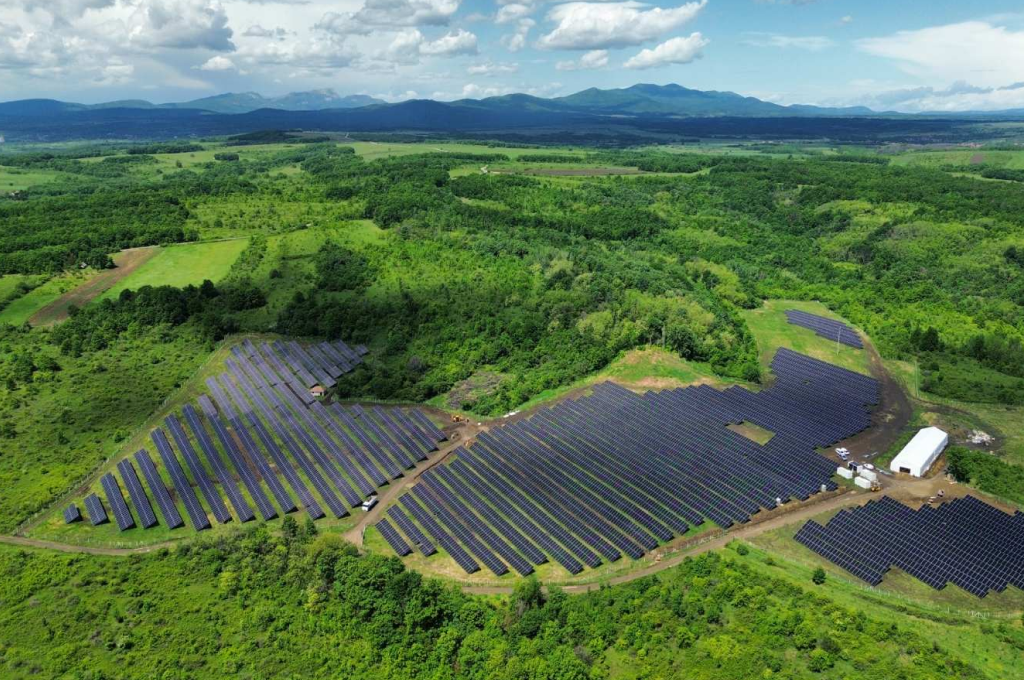
One of the solar power plants within The Solar Land portfolio has an installed capacity of approximately 7.45 MWp and an expected annual production of around 10 GWh of electricity, equivalent to approximately 10 million kilowatt-hours (kWh) per year.
This level of production forms the foundation of the project’s long-term value. Over an expected operational lifetime of more than 25 years, the power plant is projected to generate approximately 250 GWh of electricity, supported by regular maintenance and professional operation.
These figures illustrate the scale of an infrastructure asset whose value is created through the continuous generation of electricity over its entire operating life.
How Does Generated Electricity Create Value?
Once generated, electricity is delivered to the power grid through the substation and sold under the applicable commercial sales arrangements.
The amount of electricity produced depends on several factors, including project design, equipment quality, local climatic conditions, plant availability, and the quality of ongoing maintenance. The long-term reliability of these elements supports stable electricity generation and forms the basis of the power plant’s economic potential.
For this reason, the value of a solar power plant is primarily determined by its ability to generate electricity consistently and reliably over the long term.
Long-Term Generation as the Foundation of the Investment
Modern solar power plants are designed to operate for more than 25 years. Throughout this period, the plant generates electricity every day, while monitoring systems, regular maintenance, and preventive interventions help ensure reliable and safe operation.
Consistent electricity generation is one of the most important indicators of the quality of any energy project and the foundation of its long-term value creation.
Financial Value and Contribution to Sustainability
Electricity generated from renewable sources creates both economic and societal value.
One of The Solar Land power plants generates approximately 10 GWh of electricity each year, enough to supply the annual electricity needs of several thousand households, depending on their average consumption.
At the same time, electricity generation from solar energy contributes to reducing carbon dioxide emissions. A power plant of this capacity can avoid approximately 6,000 tonnes of CO₂ emissions annually, depending on the reference electricity mix and the methodology used for the calculation.
Over its operational lifetime, such a power plant can generate approximately 250 GWh of clean electricity while preventing the emission of more than 150,000 tonnes of CO₂.
What Does an Investor Finance?
Investing in a solar power plant project supports the development of energy infrastructure designed for long-term electricity generation.
This infrastructure includes project development and engineering documentation, solar panels, inverters, the substation, electrical equipment, monitoring systems, grid connection infrastructure, and all other components required for the reliable operation of the power plant.
The quality of project design, the selection of technology, the expertise of the team responsible for managing the project, and regular maintenance together determine the power plant’s ability to achieve its planned electricity production throughout its operational lifetime.
The value of a solar power plant is created progressively through the continuous generation of electricity over more than two decades of operation. Every megawatt-hour produced contributes to creating new economic value while increasing the share of renewable energy in the power system and supporting the reduction of carbon dioxide emissions.
This principle forms the foundation of The Solar Land modelconnecting investors with infrastructure projects that generate electricity over the long term while creating sustainable economic and environmental value.