Warehouses, cold storage facilities and production buildings have long stopped being just spaces for work or storage. They are among the biggest energy consumers in any company. Lighting, ventilation, compressors, refrigeration systems, machinery and office areas generate a cost every day that shows up on the monthly bill. For companies that operate continuously, electricity directly affects profitability — and how much room is left for growth.
A problem everyone sees, but few address
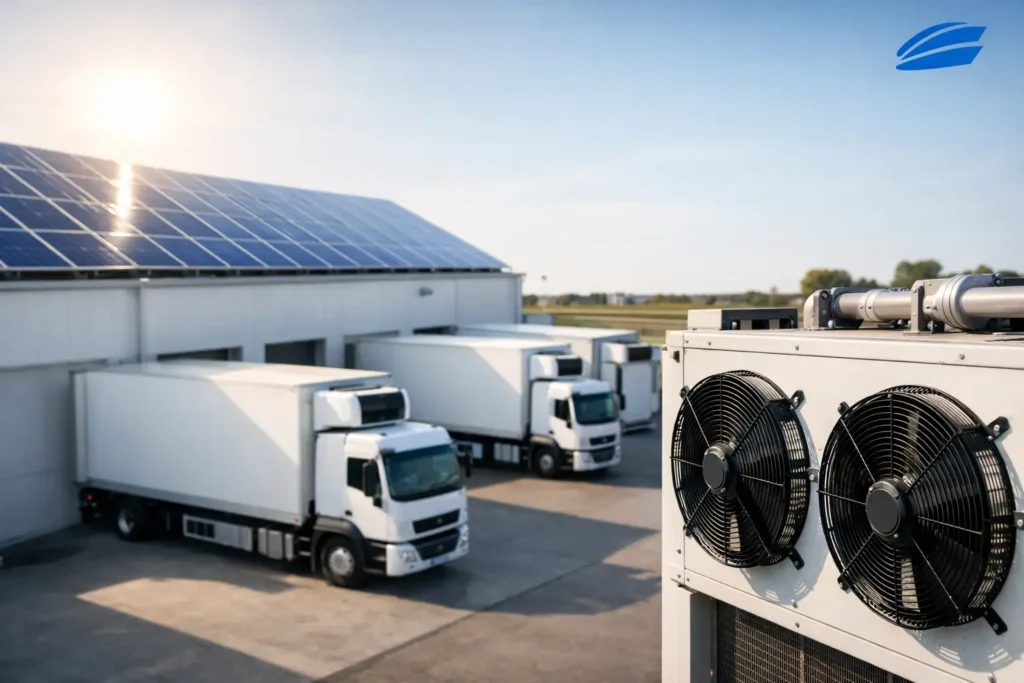
Electricity bills at these facilities rise year after year. Cold storage runs 24 hours a day. Logistics centers have large covered surfaces with constant lighting and climate control. Production depends on machines that have to run exactly when the business demands it. Consumption isn’t occasional — it is constant, and at its highest precisely during the working day.
Traditional construction solves the space problem. It gives you square meters, a roof and room for the business to grow. But it doesn’t answer what happens in five, ten or fifteen years, when electricity prices are even higher and profit margins even thinner. The space is solved once, but the cost remains every month.
A hall that works for you at the same time
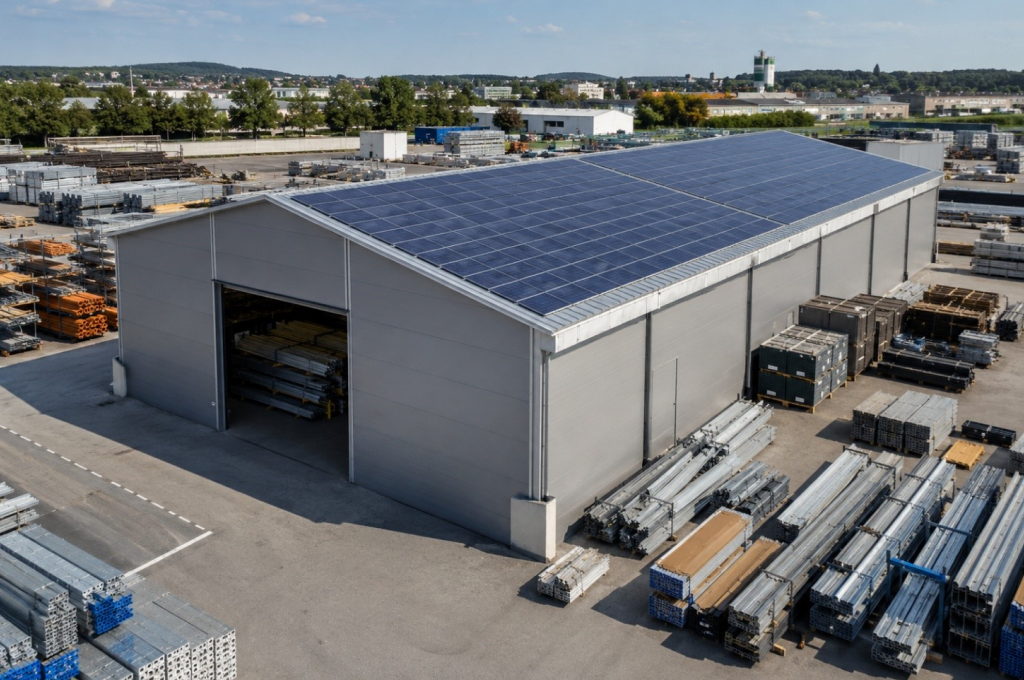
A modular hall is delivered quickly. Assembly on a prepared site takes weeks, not months, which means the space starts serving its purpose sooner. When a solar system is integrated into such a hall, the roof surface — which would otherwise sit unused — becomes an active part of the business infrastructure.
Solar panels produce the most during the day, exactly when cold storage, warehouses or production are at peak consumption. Part of the electricity you would otherwise buy from the grid is covered by your own production. The hall is no longer just a cost. It takes part in powering itself.
Who this makes the most sense for
This approach makes the biggest difference for several types of facilities. Warehouses and logistics centers have large roof surfaces and constant consumption, which makes them ideal for solar integration. Cold storage and goods-storage facilities run non-stop, with high daily consumption that solar can cover significantly, while the food industry combines production lines and refrigeration systems and therefore has a predictable, high consumption profile. Production halls use electricity precisely when solar delivers the most.
The same is true of agricultural facilities — on farms, dryers and greenhouses energy needs are serious, and the roof is usually large and available. Even workshops and service spaces, although smaller in scale, have constant daily consumption from compressors and tools. What they share: they operate when the sun is shining, they have a large roof, and cost control matters to them.
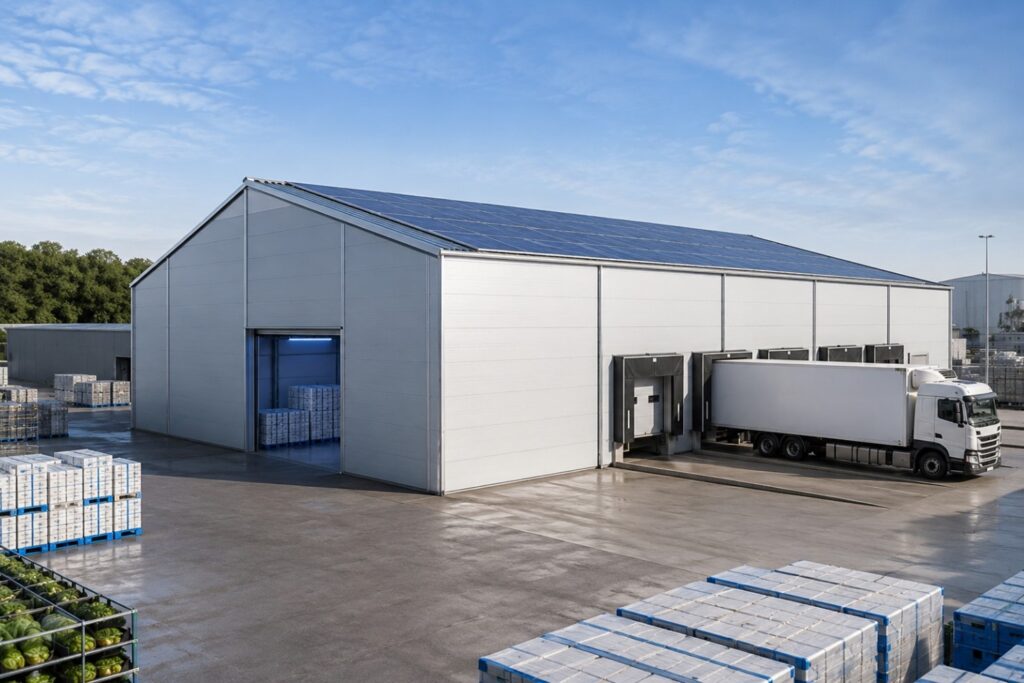
Solar and the hall are planned together
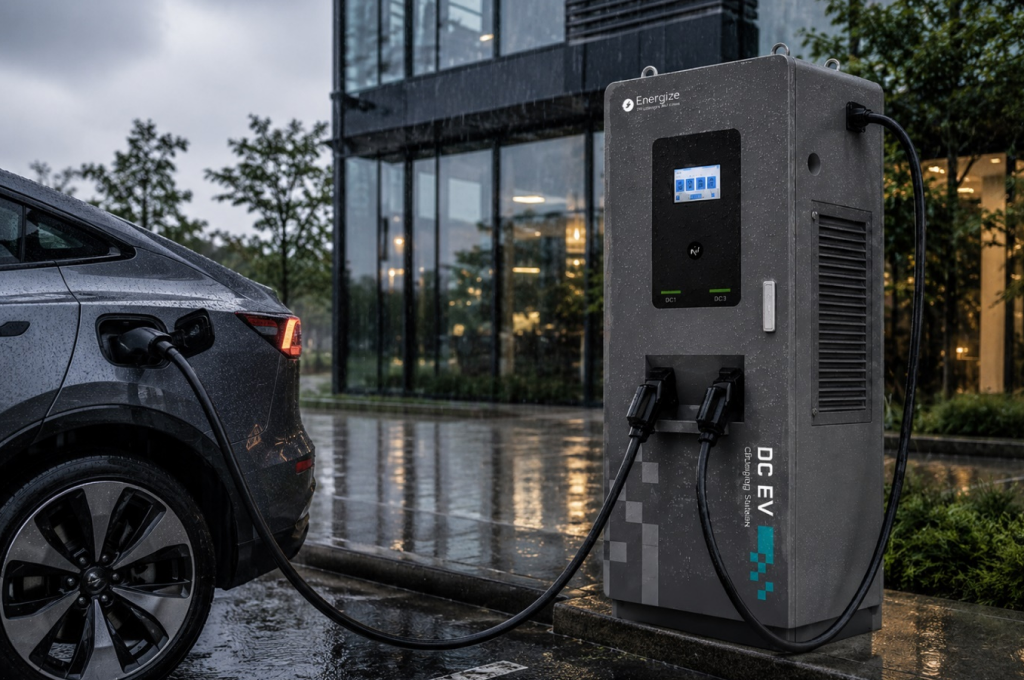
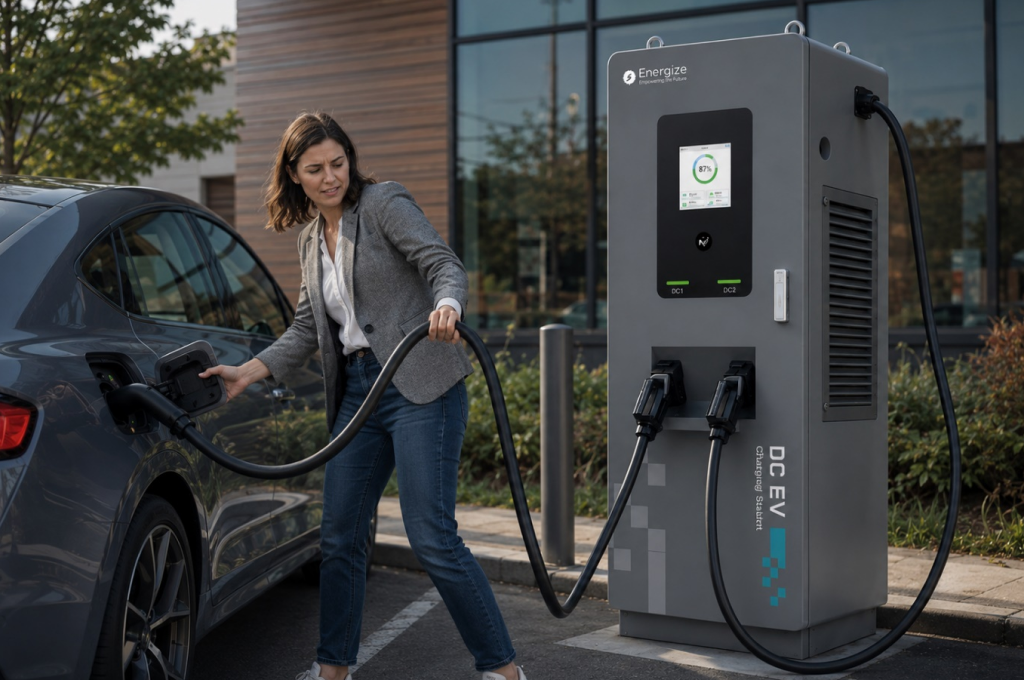
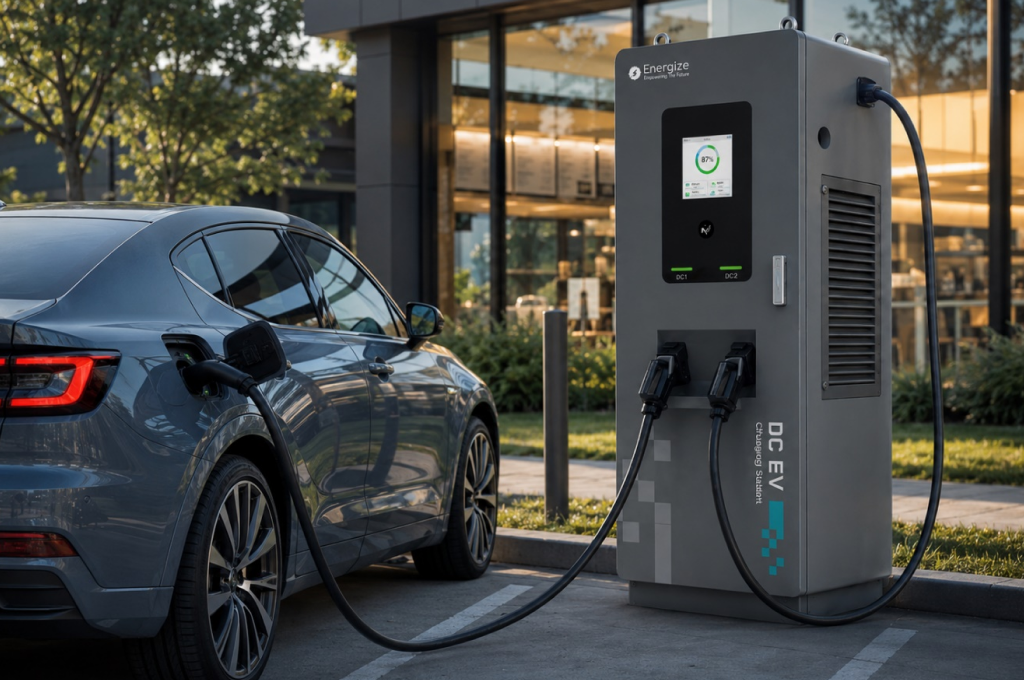
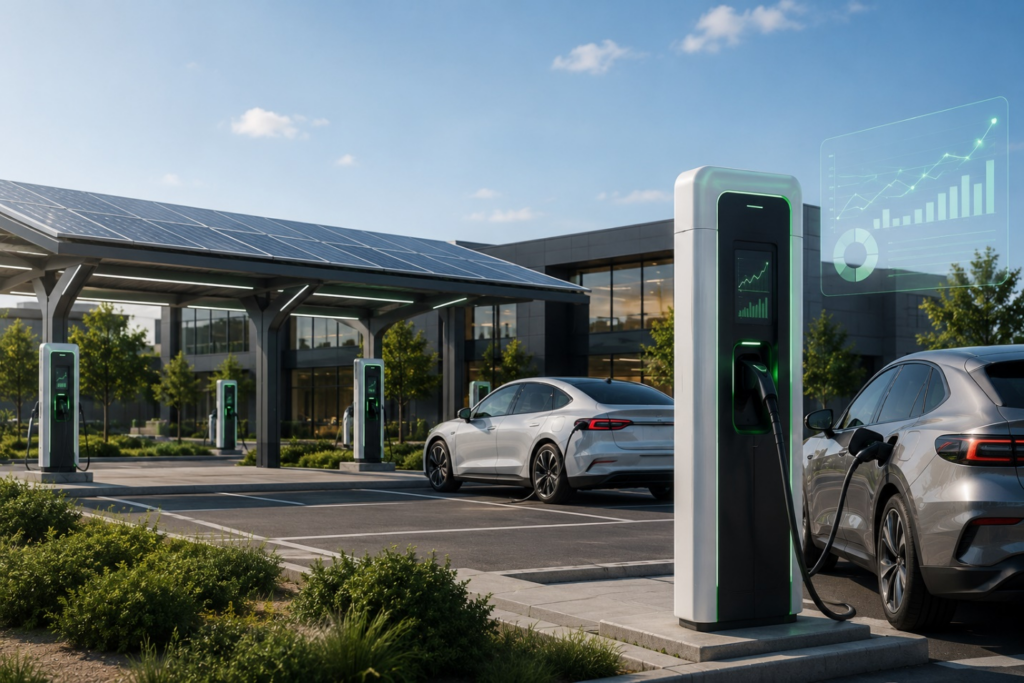
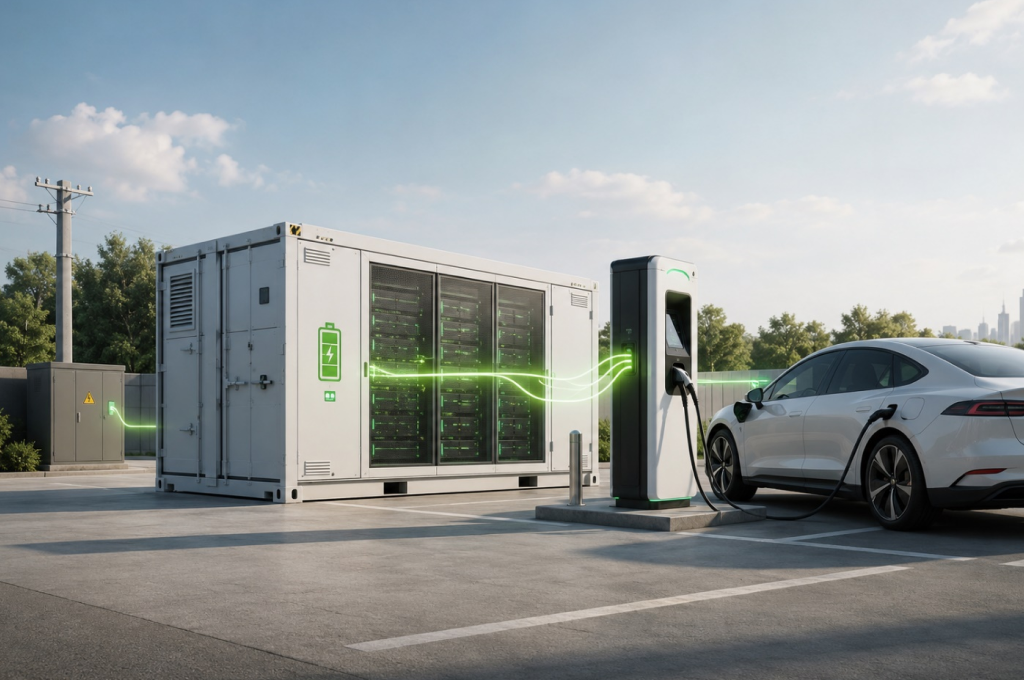
The greatest value comes when solar is not an afterthought. When it is planned together with the building, the project takes into account the structure, the hall’s orientation, the roof angle and load-bearing capacity, the electrical installations, the connection point and the expected consumption. Future expansion is also considered — adding battery storage, increasing capacity, even connecting chargers for forklifts or electric vehicles.
If solar is added later, everything has to adapt to the existing building. That means compromises: less optimal panel positioning, additional structural work, different cable routing. When the whole thing is treated as one system from the start, the project is cheaper, faster and delivers a better result across its entire operating life.
This is not just a construction question. It is a business decision that affects operating costs for the next thirty years.
| If you are planning a new hall, warehouse, cold storage or production facility, the real question is not just how many square meters you need. What also matters is how much that space will consume, how it will be powered, and whether it can run more efficiently from day one. A modular hall with a solar system makes it possible to plan space, energy and future growth as a single whole. Schedule your free feasibility study: nevena.milenkovic@energize.rs |