Hydrogen Does Not Live Alone
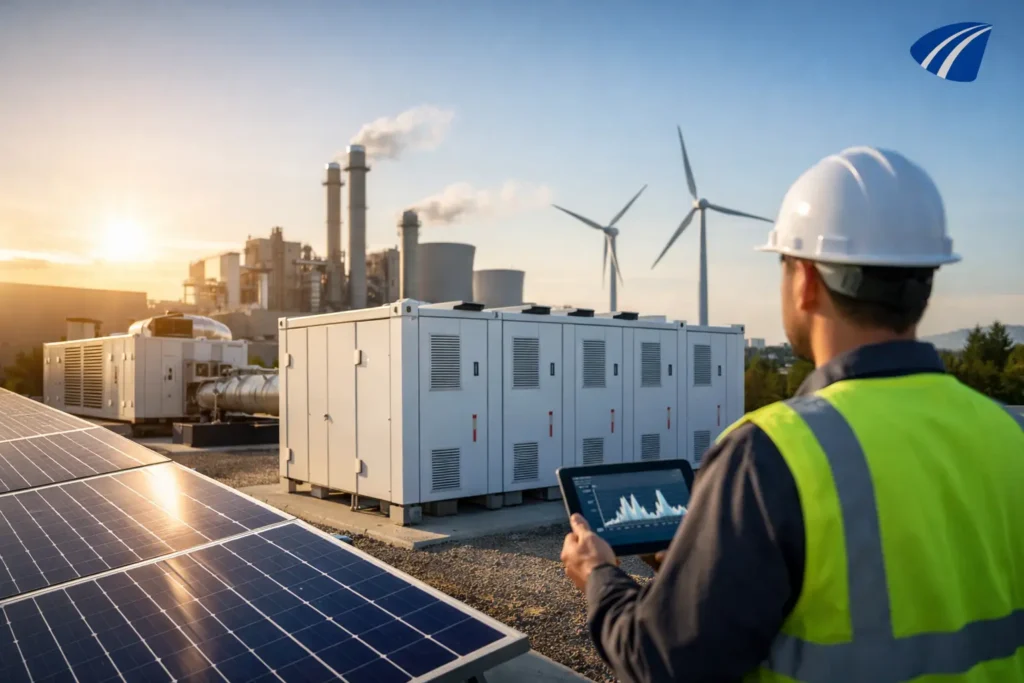
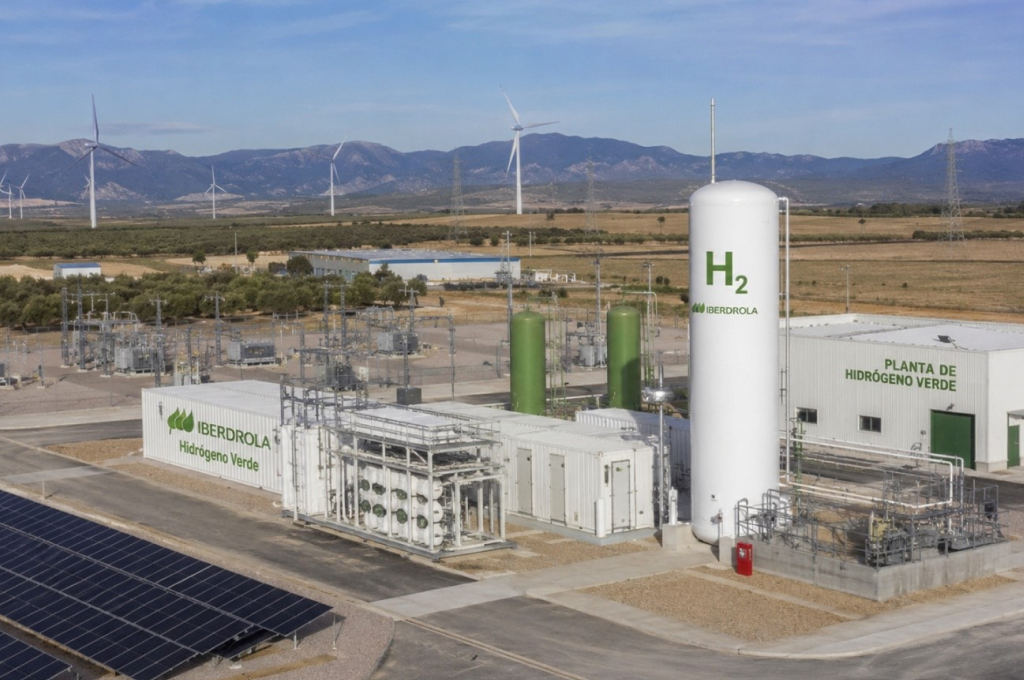
The most successful hydrogen projects in Europe are not standalone electrolyzers. They are entire “valleys” — geographically defined areas where hydrogen is simultaneously produced, transported, used, and financed within a single integrated ecosystem.
Brussels actively encourages and funds this model. The Clean Hydrogen Partnership has co-financed more than 60 hydrogen valley projects across Europe with hundreds of millions of euros. And Serbia, paradoxically, has all the ingredients to build the first true hydrogen valley in the Western Balkans — it just has not put them in the same kitchen yet.
What Is a Hydrogen Valley
The European Commission’s definition is clear: a hydrogen valley is a geographic area in which multiple hydrogen applications combine into an integrated ecosystem that consumes significant amounts of hydrogen (at least several thousand tons per year for “large valleys”), covers the entire value chain, and has a clear growth plan.
In practice this means at least:
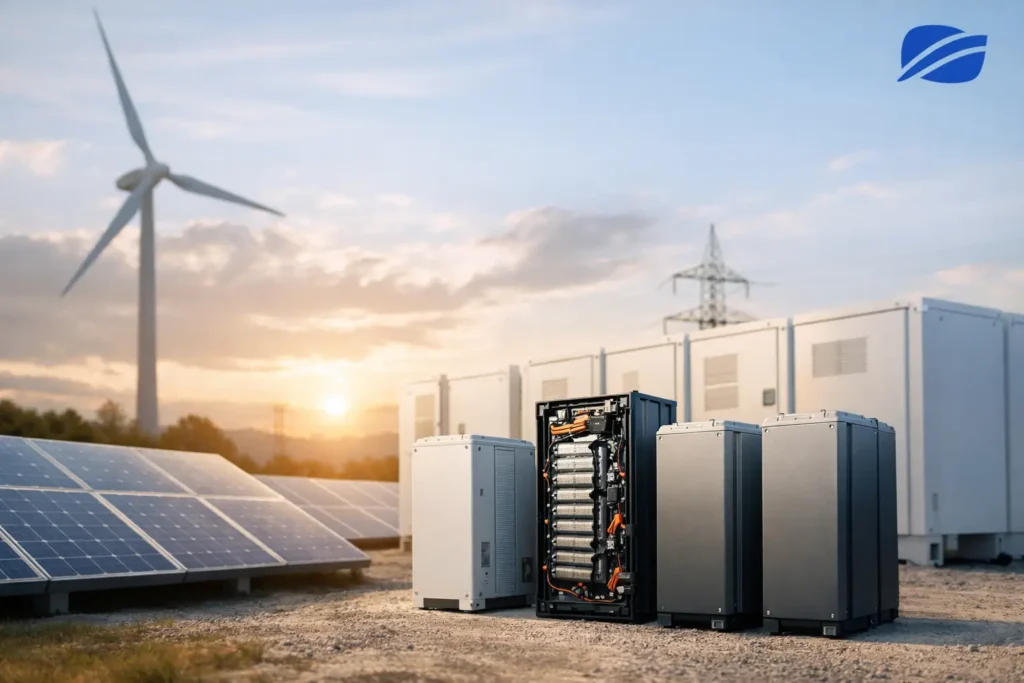
- one or more sources of renewable electricity (solar, wind, hydro)
- an electrolyzer (or several)
- a storage and transport system (pipeline, truck, ship)
- at least 2–3 different industrial or transport offtakers
- local regulatory support and coordination
- a clear business model and offtake agreements
It is not science. It is primarily organization and geography.
Examples That Work
HEAVENN (Netherlands, Groningen) — the first officially funded valley in Europe, with EUR 90 million in EU budget. It combines offshore wind, electrolysis, repurposed North Sea gas infrastructure, hydrogen transport by trucks and buses, and industrial consumption in the chemical cluster.
HyDeal Iberia (Spain/Portugal) — an ambitious plan to produce 3.6 Mt of green hydrogen per year by 2030 from 95 GW of solar projects. Target price: EUR 1.5/kg, which would be lower than gray hydrogen. A consortium of 30+ companies.
HyAragonia (Spain, Aragon) — a smaller but fast-growing valley focused on wind + industry + mobility in one region.
Nordrhein-Westfalen (Germany) — Germany’s industrial heart, not a classic “valley” but an entire region undergoing transformation. Steel (Thyssenkrupp), chemicals, refineries, and logistics in the same space, connected by the planned hydrogen core network by 2032.
What they all share: they do not start with equipment. They start with mapping customers and sources.
Why Clusters Beat Standalone Projects
A standalone 20 MW electrolyzer selling hydrogen to a single customer carries high risk. If the customer fails, if renewable electricity prices change, if CBAM is delayed, the project collapses.
A cluster of five integrated projects in the same region shares risk. It shares infrastructure (one pipeline, one storage). It shares development costs (one regulatory expertise, one permitting process, one team). And, most importantly, it shares access to grants because Brussels prioritizes integrated ecosystems.
EU studies show hydrogen valley projects receive grant support on average significantly more frequently than standalone projects of the same technical quality.
Ingredients for a Serbian Valley
A quick inventory of what Serbia already has:
- Industrial demand: NIS Pančevo, HIP Azotara, HBIS Smederevo, MSK Kikinda, RTB Bor — all use hydrogen or have strong decarbonization motivation
- Renewable power: solar parks in growth in Vojvodina and central Serbia, hydro potential, planned wind
- Gas infrastructure: the existing Srbijagas network that, with modifications, can become “hydrogen-ready”
- Logistics: Corridor 10, proximity to the ports of Bar and Thessaloniki
- Institutions: the Vinča Institute, Elektroprivreda Srbije, and the Energy Strategy 2040 that explicitly mentions hydrogen
Geographically, the most logical candidate for the first Serbian valley is the Danube industrial cluster Pančevo–Smederevo–Bor, with potential expansion toward the Vojvodina solar region.
What It Would Look Like in Practice
The practical first step is not construction — it is the preparation of a “Hydrogen Valley Pre-Feasibility Study” for a pilot region. The study would map: where hydrogen could be produced, who would use it, how it would be transported, how much it would cost, how it would be financed, and how it would qualify for European funds.
The cost of such a study is EUR 200,000–500,000 — a trifle compared to what it opens. Most European valleys started exactly this way.
Conclusion: Skipping a Step
Serbia does not have to pass through the phase of isolated pilot projects before reaching clusters. It can leap directly into the model the EU pays for — the hydrogen valley model.
It requires patience, coordination, and one solid preparatory study. But in 3–5 years, the first Serbian hydrogen valley could become a reference for the entire Western Balkans and a logical bridge to the German industrial market.