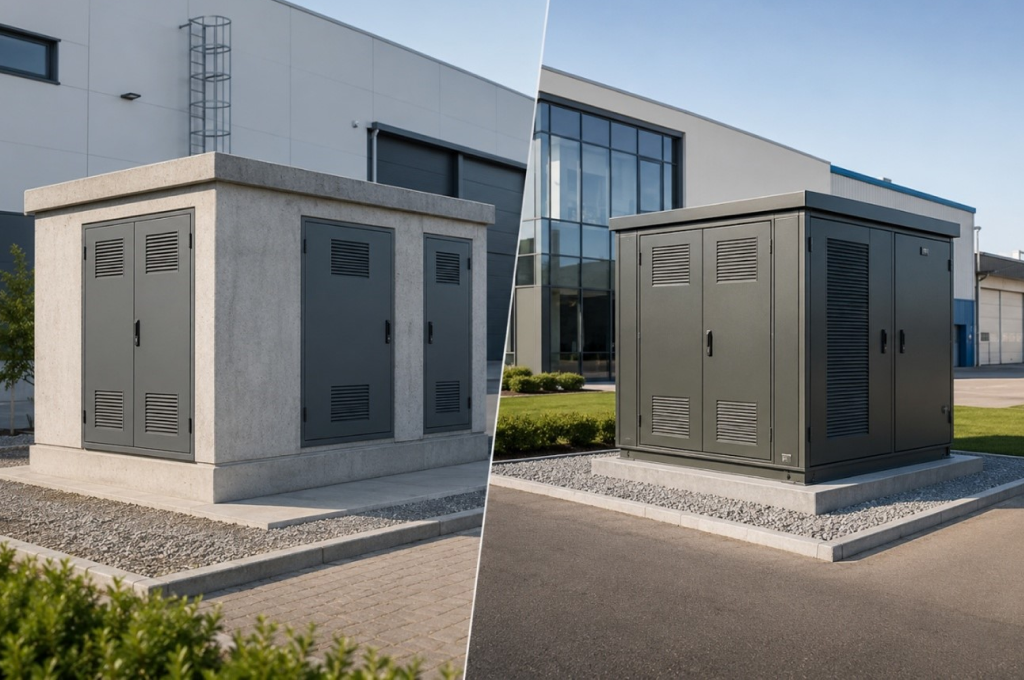
Compact transformer substations represent one of the most significant segments of modern distribution infrastructure. They enable the stepping down of voltage from medium-voltage levels, which extend up to 35 kV, to values suitable for direct industrial and commercial consumption, all within compact structures that occupy minimal space and can be installed in a wide variety of environments. The two most widely applied construction solutions are concrete and metal compact transformer substations. Although both types perform the same fundamental function, their characteristics, applications and economic implications differ significantly. A clear understanding of these differences is essential for making a decision that ensures the optimal balance between initial costs, long-term reliability and operational efficiency of any energy system.
Concrete compact transformer substations are engineered with a focus on durability, safety and resistance to all forms of external influence. Their structure consists of reinforced concrete elements that form a hermetic and mechanically highly stable enclosure for housing the transformer, medium-voltage switchgear and low-voltage distribution panels. Concrete as a building material provides exceptional fire resistance, outstanding acoustic insulation and a high degree of protection against vandalism and mechanical damage. The service life of such structures ranges between forty and sixty years, which makes them an ideal solution for permanent installations in urban and populated areas, as well as for facilities with critical loads such as hospitals, data centres and major industrial complexes, where any power interruption can produce significant consequences.
Metal compact transformer substations offer a different set of advantages, with emphasis on rapid deployment, flexibility and lower initial costs. Their structure is based on a steel load-bearing frame with anti-corrosion protection and prefabricated panels, which enables extremely fast factory production and straightforward transport to the installation site. The service life of metal variants, with adequate maintenance, ranges between twenty-five and thirty-five years, which is sufficient for the majority of commercial and industrial projects. A particular advantage of metal transformer substations is the possibility of relocation, which makes them an almost ideal solution for temporary installations, construction sites, agricultural complexes and, of particular importance, for collector substations within solar power plants and other renewable energy projects.
A direct comparison of the two types of transformer substations demonstrates that each offers a specific set of advantages depending on the context of application. Concrete variants are distinguished by superior thermal inertia and stability of the internal microclimate, which significantly extends the service life of the equipment housed within and reduces the need for additional ventilation systems. On the other hand, metal variants provide considerably faster delivery, simpler installation and lower foundation costs, which directly impacts the total project budget. In industrial zones where aesthetics are secondary while speed and cost are the primary considerations, metal transformer substations often represent the more justifiable choice, whereas urban environments with stricter requirements concerning noise, appearance and safety almost always favour the concrete solution.
When selecting the optimal solution, designers and investors must take several key factors into consideration. The character of the location plays a central role, as urban environments with high acoustic and aesthetic requirements almost exclusively call for concrete variants, while industrial zones and agricultural facilities tolerate metal designs. The anticipated lifespan of the facility directly influences the choice, since temporary or medium-term installations with a horizon of ten to twenty years do not justify the additional cost of a concrete solution. Climatic conditions also play a role, as in zones with exceptionally high or extremely low temperatures concrete variants provide superior thermal stability of the internal space, and thereby protect sensitive equipment from accelerated ageing over the long term.
From an economic perspective, the difference between the two solutions extends well beyond the initial purchase price. A metal compact transformer substation is typically twenty to thirty percent less expensive at purchase, but this gap shifts considerably when the total cost of ownership is examined over a period of twenty or more years. Concrete variants require significantly less maintenance, are less prone to corrosion and do not require periodic replacement of structural panels, which substantially reduces operational expenses over the long term. Investment in a high-quality concrete transformer substation, particularly when it concerns major industrial facilities, most often pays for itself through system reliability and the avoidance of costly production downtime, which in modern industrial processes can generate losses in the range of tens of thousands of euros per day of operational interruption.
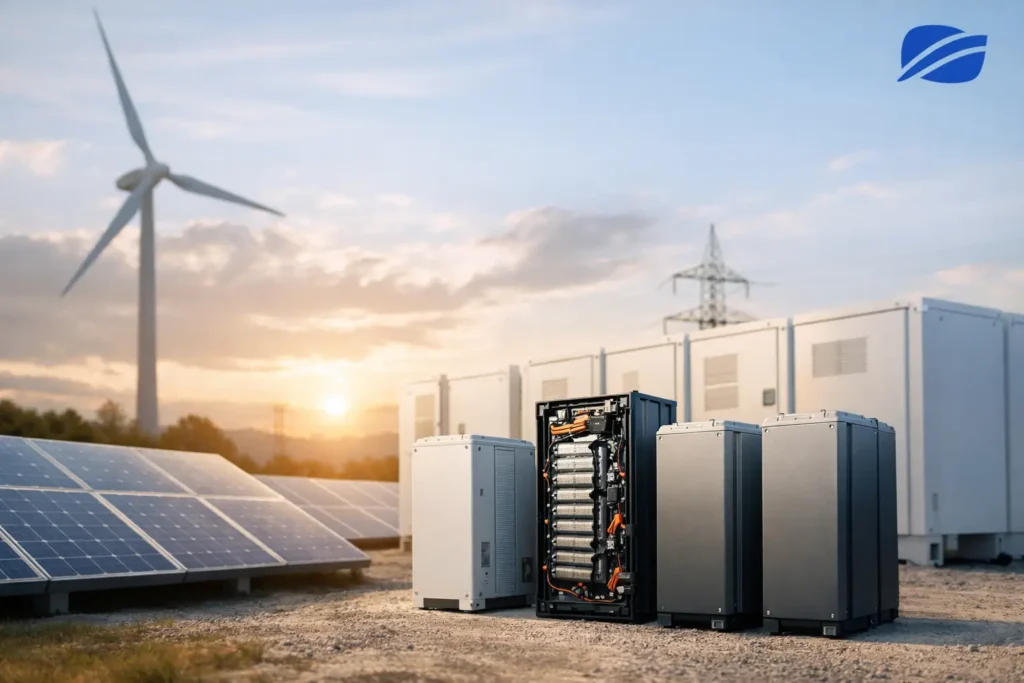
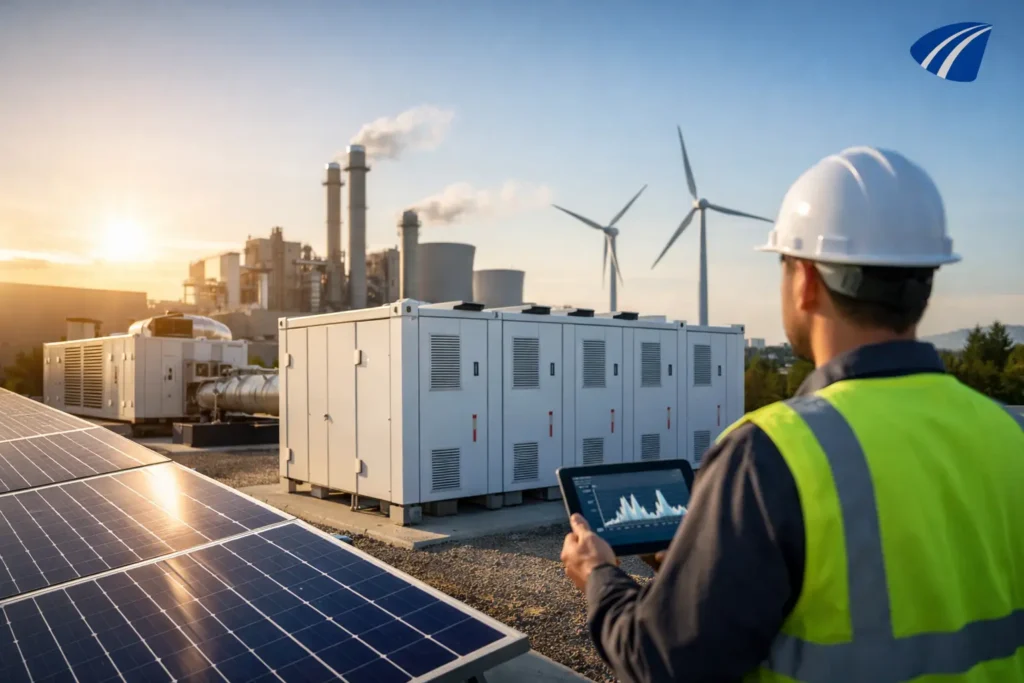
With the rapid development of renewable energy sources, metal compact transformer substations have taken on a new and highly specialised role. Within solar power plants and wind farms they function as collector substations, gathering energy from arrays of photovoltaic panels or wind turbines and transferring it into the medium-voltage distribution network. These substations are most often delivered in capacities ranging from one to eight megawatts and represent the central hub of every larger solar or wind energy facility. Rapid factory production, the ability to transport units to remote locations and straightforward installation make them a practically indispensable solution for the renewable energy sector, where the time from contract signing to grid connection represents one of the most significant economic parameters of any project.
Modern variants of both types of transformer substations increasingly integrate advanced solutions for remote monitoring, automation and communication with the distribution system. Sensors that track temperature, humidity, voltage and transformer loading enable predictive maintenance and the prevention of faults before they manifest. SCADA systems link the substation with a central dispatch centre, while integrated communication protocols enable automatic response in the event of network disturbances. These functions are not a privilege of either concrete or metal variants, as both types can be equipped with the same level of intelligence, and the choice between them remains primarily a matter of the physical and economic parameters of each specific project.
The decision between a concrete and a metal compact transformer substation cannot be reduced to a simple choice between a better or worse solution; it is a matter of precisely aligning the specific characteristics of the project with the strengths of each type. Permanent installations in urban environments, critical industrial facilities and buildings with high acoustic requirements almost invariably call for concrete variants. Industrial complexes with flexible needs, temporary installations and, in particular, renewable energy projects find in metal transformer substations an optimal balance between cost, speed and technical performance. The most important step is not the choice between two solutions, but a thorough analysis of the specific project requirements and consultation with an expert team that understands both the technology and the economic implications of every decision. It is precisely at this intersection between technical expertise and a genuine understanding of the client’s business needs that transformer substations emerge which support the growth of every company for years without interruption.