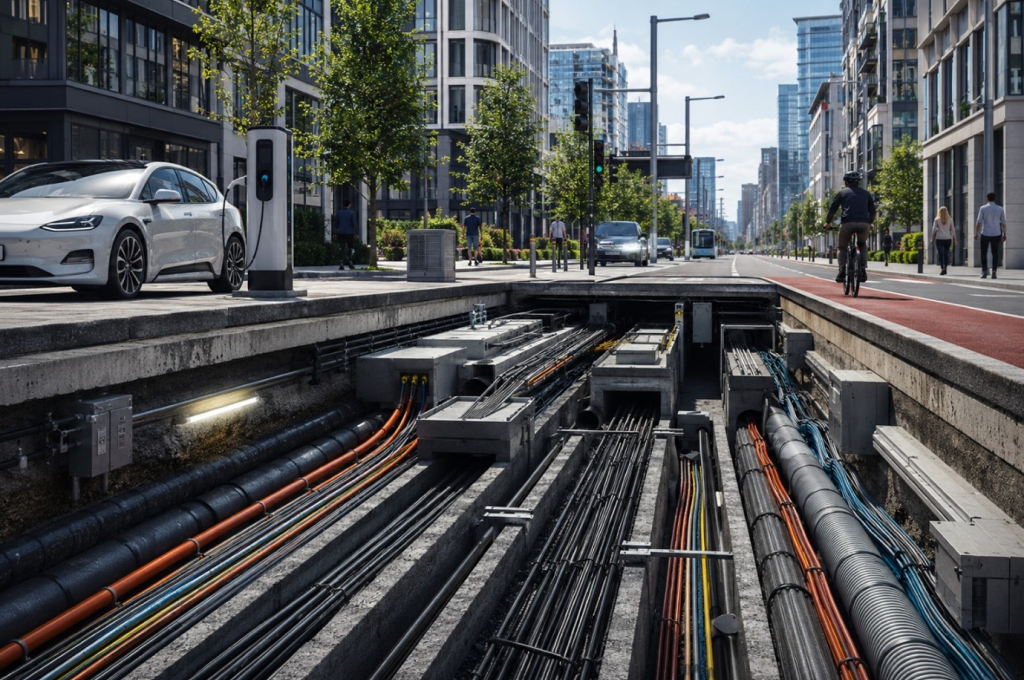
The concept of the smart city in public discourse is most often associated with 5G networks, autonomous vehicles, smart traffic lights, cloud applications and wireless communications that seem almost magical. This perception, which suggests that the urban future is entirely wireless and intangible, conceals one of the greatest paradoxes of modern technology. The wireless future requires more physical cables than ever before in the history of urban development, because behind every wireless signal, every sensor and every smart function stands a powerful cable infrastructure buried beneath the streets and embedded in the walls of buildings. Understanding this infrastructure, its different layers and their mutual integration, is essential for the design and construction of cities that can genuinely deliver on the promises of modern technology.
From a technical standpoint, the cable infrastructure of a modern city is divided into two complementary layers that simultaneously function as the nervous system and the bloodstream of the urban system. The telecommunications network, based on optical fibres, represents the channel through which data flows between sensors, control centres, base stations and the billions of connected devices that make up the internet of things. The energy network, based on medium-voltage and low-voltage cables, represents the channel through which electrical energy flows from generation sources to consumers and, increasingly, in both directions. These systems, although traditionally separated and designed by different teams, are today increasingly integrated and mutually dependent, which creates entirely new requirements for designers and contractors of urban infrastructure.
The optical fibre network represents the backbone of the telecommunications system of a smart city, and its role is far more significant than a layperson’s understanding of 5G technology might suggest. Although the 5G signal is transmitted wirelessly, its speeds and extremely low latency can only be achieved through thousands of small base stations that must be densely distributed across the city and physically connected by optical fibres to central nodes. Copper cables, which were for decades the standard for telecommunications infrastructure, simply do not have sufficient bandwidth to support the petabytes of data that modern cities generate every day. Optical fibres, which transmit information through light pulses, enable the near-zero latency essential for autonomous vehicles, telemedicine and industrial automation, thereby becoming an indispensable foundation of every serious smart urban environment.
The energy cable infrastructure is undergoing the most fundamental transformation in its history, which in complexity and scale can be compared with the transition from steam engines to electric motors in the nineteenth century. The classic energy network was designed as a unidirectional system in which electrical energy flows from large centralised power plants to distributed consumers, which defined the sizing and selection of all components. The smart city changes this paradigm at its foundation by simultaneously introducing new types of loads that require far greater capacity, decentralised generation from renewable sources that changes the direction of energy flow, and storage systems that further complicate the management of the network. The existing cable infrastructure of most European cities, designed several decades ago, is simply not adequate for this new reality and requires significant reconstruction and upgrades.
The development of electric vehicle charging infrastructure represents one of the greatest challenges for the energy network of the modern city. Fast and ultra-fast chargers, with capacities ranging between 150kV and 350kV per unit, generate loads comparable with the consumption of entire smaller industrial facilities, and are installed at locations that have not historically been designed for such requirements. The energy cables that supply these chargers must have a large cross-section in order to avoid excessive thermal loading and dangerous voltage drops, which directly affects the sizing of the entire cable network around charging stations. Improperly sized infrastructure regularly results in limitations on charger operation, interruptions in supply and accelerated ageing of insulation systems, which for charging station operators means significant operational costs and reduced revenues.
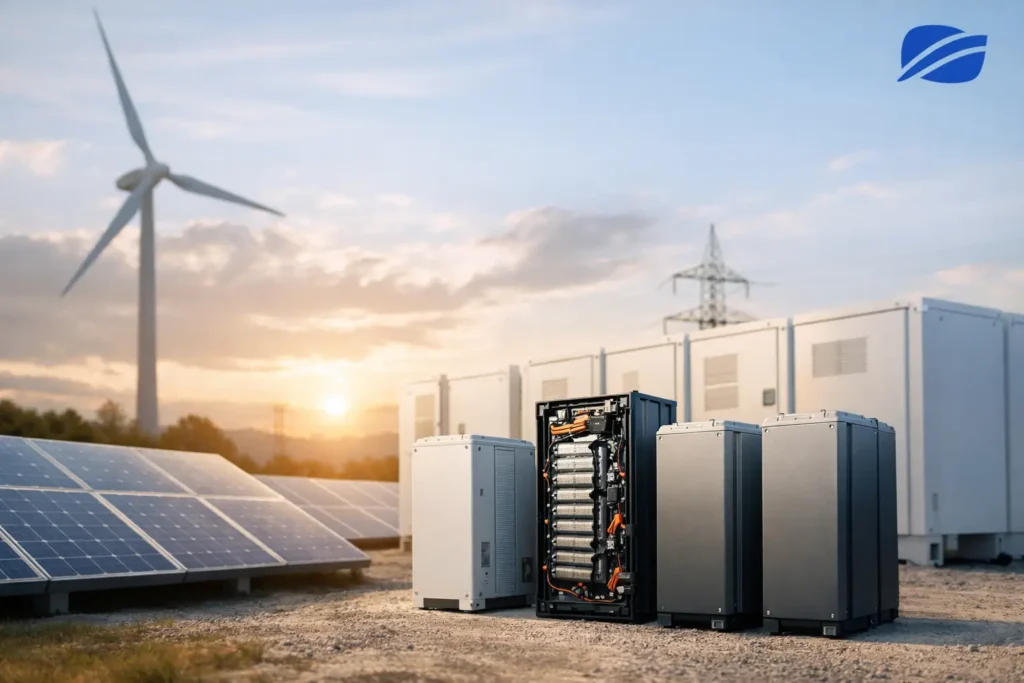
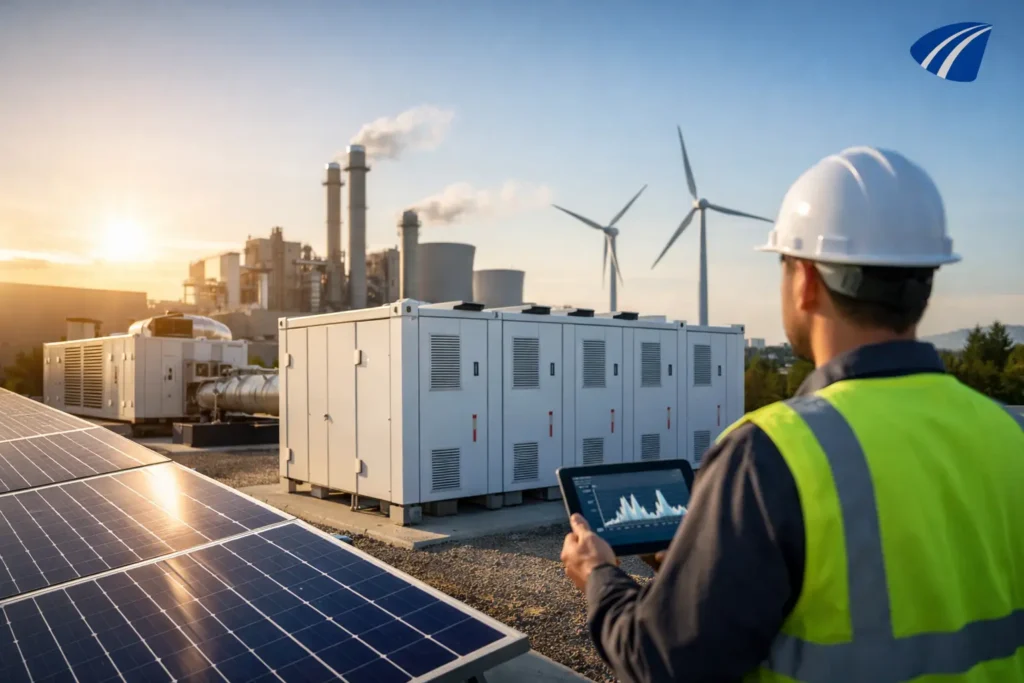
The integration of renewable energy sources and energy storage systems fundamentally changes the way the cable network of a smart city is designed and managed. Rooftop solar plants, ground-mounted installations on public surfaces, wind generators and battery systems transform former passive consumers into active producers and, occasionally, network balancers. Energy no longer flows only from centralised power plants to users, but in both directions, which requires cables designed and certified for bidirectional operation, together with switchgear featuring advanced protections. The intelligent management of these energy flows, collectively known as the Smart Grid approach, relies on a perfect synergy of energy cables, signal communication lines and advanced substations that simultaneously manage the flow of energy and exchange data with the central dispatch system.
The emergence of Edge Computing architecture represents another element that changes the requirements imposed on the cable infrastructure of the modern city. Instead of sending all data to remote centralised data centres, modern systems use small, locally distributed Edge data centres that process data immediately in proximity to the source. These facilities, which often occupy spaces the size of larger distribution cabinets, require extremely reliable power supply with redundancy, dedicated UPS systems and, in critical applications, standby generators for backup power. The geographic distribution of Edge data centres across the city also requires corresponding cable infrastructure that simultaneously provides reliable energy supply and high-capacity telecommunications connectivity, creating an entirely new layer of demands on the urban infrastructure network.
Within modern smart buildings, the boundary between energy and telecommunications infrastructure is increasingly being erased through technologies that simultaneously transmit energy and data through a single cable. Power over Ethernet technology, known by the abbreviation PoE, enables a standard network cable to simultaneously power a device with up to ninety watts and transmit data at gigabit speeds. This technology dramatically simplifies the installation of smart LED lighting, security cameras, air quality sensors, control panels and various IoT devices that constitute a smart building, since it eliminates the need for separate energy cables to every individual component. Centralised control, which is a prerequisite for genuine intelligent building management, becomes significantly simpler and more economically favourable precisely thanks to the convergence of energy and communication functions in a single cable.
The smart city is not a software illusion that exists in the cloud, but a very tangible engineering undertaking whose foundations lie deep beneath the streets and embedded in the walls of buildings. The stability of all the systems used by citizens, the profitability of industrial enterprises operating within that city and the competitiveness of the region in a broader economic context, all directly depend on the quality and capacity of the cable infrastructure that makes all this possible. Collaboration with an expert team that understands both traditional energy principles and the new requirements of telecommunications systems, as well as their ever-deeper integration, represents a prerequisite for the design and construction of infrastructure that can genuinely support the ambitions of modern urban development. Investment in proper cable infrastructure is not an investment in the past nor a postponement of the future, but the foundation of every serious step that an urban environment takes towards technological transformation.