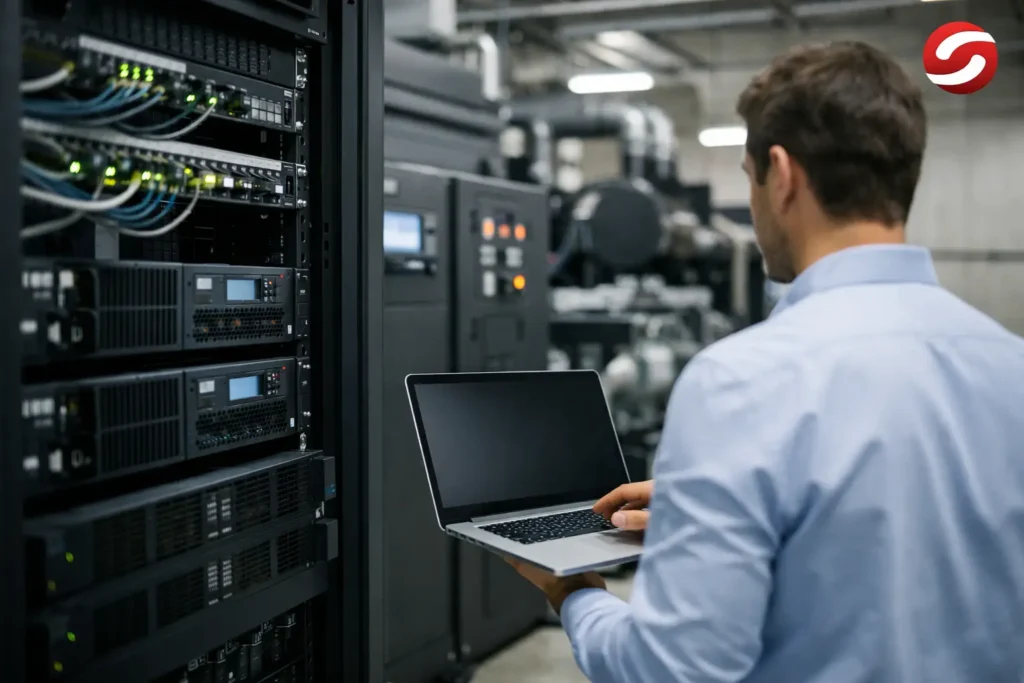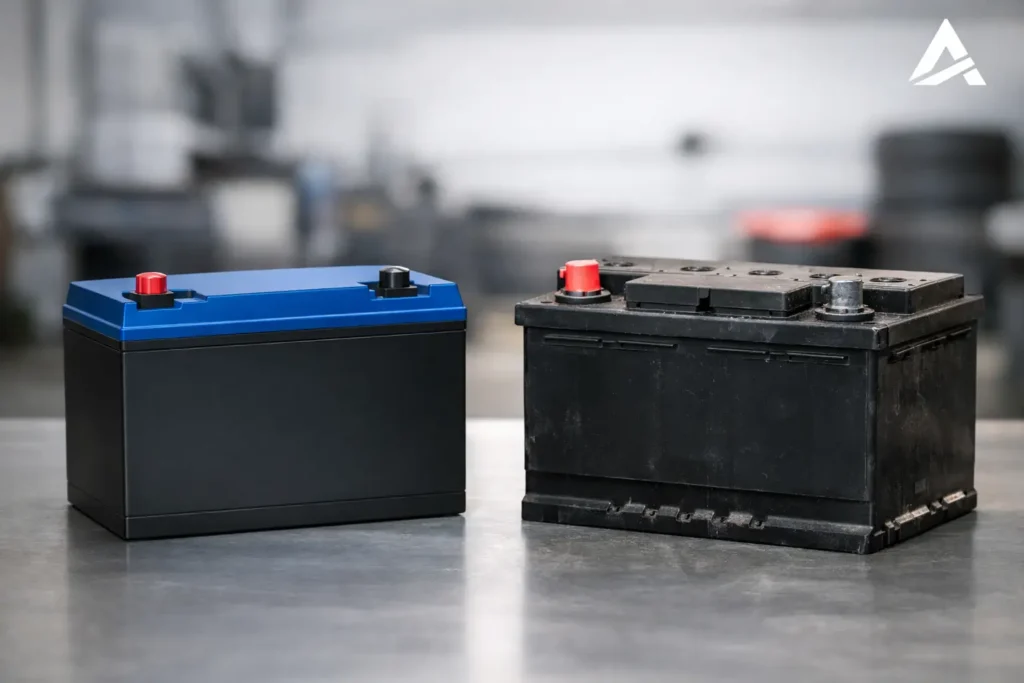
The reliability of electrical power supply represents one of the most significant operational factors for every modern industrial, commercial or medical facility. An interruption of supply from the distribution network, which in real conditions can last from a few seconds to several hours or even days, generates consequences that range from minor inconvenience to catastrophic operational and financial losses. In production facilities, server rooms, hospitals and buildings with continuous operations, every second of downtime translates into substantial sums, while the loss of data or damage to sensitive equipment can have consequences that accumulate over months. To prevent such situations, modern facilities rely on two fundamentally different but complementary solutions, uninterruptible power supplies, known as UPS, and standby power generators. Understanding the technical differences between these systems, together with the scenarios in which each has optimal application, is essential for the design of a reliable energy infrastructure for every modern business facility.
A UPS system, or Uninterruptible Power Supply, represents a device that provides continuous power to critical loads through a combination of batteries, inverters and control electronics. Its primary function is not merely to provide backup energy in the event of a network outage, but also to continuously filter the input voltage, eliminating surges, sags, oscillations and harmonic distortion which in real-world distribution network conditions regularly reach sensitive equipment. The most advanced UPS systems, known as Online Double Conversion, continuously convert the input alternating current to direct current and then back to alternating current, thereby providing a perfectly sinusoidal signal independent of the quality of the input network. In the event of a complete network outage, the transition to battery power takes place within zero milliseconds, which means that sensitive equipment connected to the system registers no interruption in supply whatsoever.
A standby generator, or diesel generator, represents an entirely different technical approach to backup power. It consists of an internal combustion engine, most often of the diesel or gas type, and an alternator that converts mechanical energy into electrical energy. In the event of a network outage, the automatic transfer switch, known as ATS or Automatic Transfer Switch, detects the loss and initiates the generator start sequence, which depending on the type of equipment takes between ten and fifteen seconds until the generator reaches operating temperature and assumes the load of the facility. Those fifteen seconds for lighting, ventilation systems or auxiliary loads do not represent a significant issue, while for servers, medical equipment, CNC machines or control systems of production processes they represent a complete interruption of operation with all the consequences that such an interruption entails.
The most significant technical difference between a UPS system and a standby generator lies in the speed of response and the duration of backup power. A UPS system responds instantaneously, but its capacity is limited by the size of the battery pack and in practice ranges from a few minutes for standard installations to several hours for systems with extended battery modules. A standby generator, on the other hand, has an initial delay of ten to fifteen seconds, but once started can maintain power continuously for hours, days or even weeks, as long as there is sufficient fuel in the tank. This fundamental difference determines that each of these systems has its specific application scenarios, in which one cannot replace the other without serious compromises in functionality.
The typical application of UPS systems covers all scenarios in which even the shortest interruption in supply produces unacceptable consequences. Server rooms, data centres and telecommunications infrastructure require uninterrupted power because even millisecond-scale interruptions can lead to data loss, database corruption and the failure of entire information systems. Hospitals use UPS systems for life-support equipment, monitoring devices, operating theatres and all elements of medical infrastructure where an interruption of supply directly endangers human lives. In industrial facilities, UPS systems provide the time required for controlled and safe shutdown of production processes, thereby preventing damage to sensitive electronics, loss of process parameters and material damage that may occur from the sudden interruption of operation.
Standby generators find their application in scenarios that require the long-term maintenance of supply at large loads, where the initial delay of a few seconds is not critical, but continuity of operation over an extended period is essential. Entire production halls, climate control and ventilation systems of large facilities, heavy machinery, water pumping and treatment systems, as well as auxiliary buildings with high consumption, represent typical examples of generator application. In situations of prolonged network outages, which in some regions and seasons can last for hours or days, the standby generator represents the only technically and economically justified solution, since providing the same capacity through a UPS system would require a disproportionately large and expensive battery pack that would increase investment costs by a factor of several times.
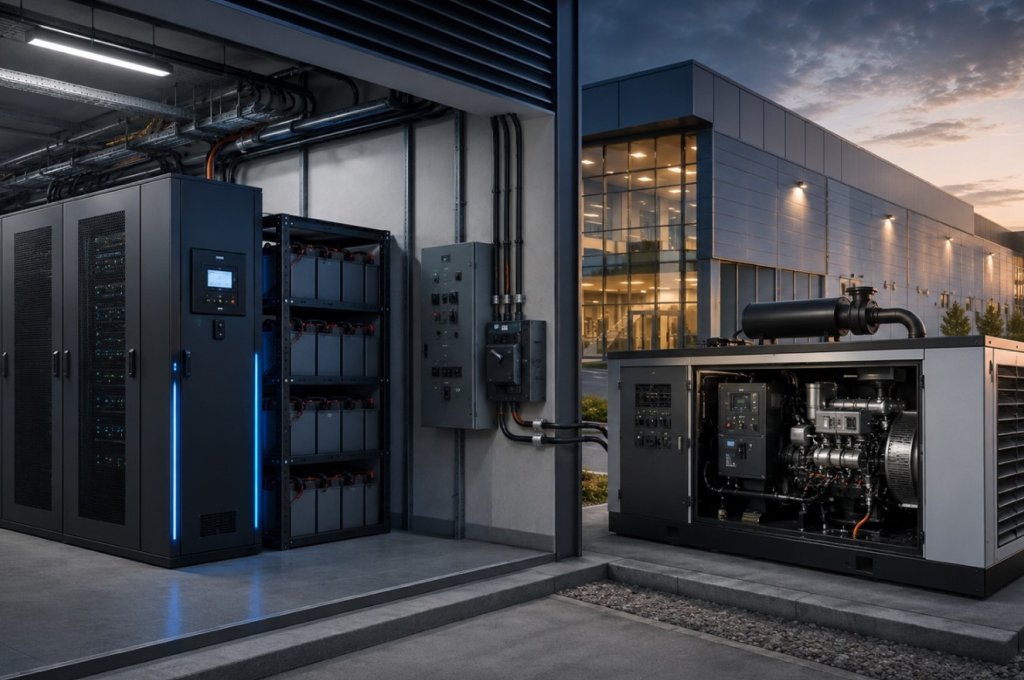
Serious systems with high availability requirements, which include the majority of modern industrial facilities, server rooms, hospitals and critical infrastructure, employ a hybrid approach in which the UPS system and the standby generator operate in a coordinated sequence. At the moment of a network outage, the UPS system immediately takes over all critical loads onto its battery pack, ensuring that computer equipment, control systems and sensitive electronics do not register the slightest interruption. Simultaneously, the control system sends a signal to the generator to initiate the start procedure, which concludes after ten to fifteen seconds with the assumption of the load of the entire facility. Once the generator has stabilised, the UPS system returns to its normal operating mode and begins charging the battery pack from the supply now provided by the generator, thereby ensuring system readiness for any subsequent interruption of network supply.
From the standpoint of economic analysis, the choice between a standalone UPS system, a standalone standby generator or a hybrid solution requires a detailed understanding of the character of the loads in the facility and the acceptable level of risk. An oversized UPS system designed to independently maintain all facility loads during a prolonged network interruption represents an extremely expensive investment that often exceeds the boundary of economic justification. An undersized UPS system, on the other hand, cannot maintain supply long enough for the generator to take over the load, which results in interruptions in the operation of critical equipment. An oversized generator designed to cover all facility loads, including those that could be temporarily disconnected, represents an unnecessary increase in investment and operational costs through increased fuel consumption, more frequent maintenance and a larger space required to house the equipment. The optimal configuration emerges through precise classification of loads according to their importance and tolerance to interruption of supply.
The selection of the optimal backup power solution does not come down to a simple question of whether to choose a UPS or a generator, but to a precise understanding of the load structure within the facility and their different requirements regarding supply reliability. The classification of loads into critical, which cannot lose power for even a millisecond, and essential, which can tolerate a short delay of around ten seconds, represents the foundation for the design of an optimal backup system. Collaboration with an expert team that understands both the technical specifics of UPS and generator systems, and the specific characteristics of the production processes and business operations within the facility, is essential for the establishment of a backup power supply that ensures full business continuity in every possible scenario. Investment in a properly sized and correctly configured backup power system pays for itself through the complete avoidance of losses that would arise during even a single serious interruption of network supply, which for modern business is a matter not only of comfort but of strategic competitiveness.