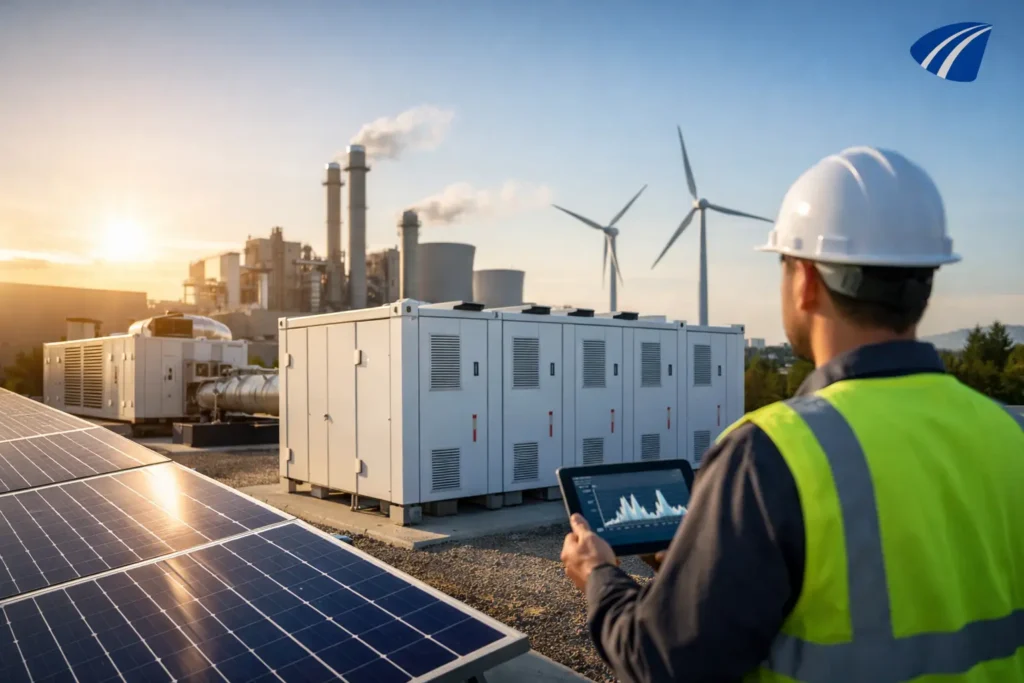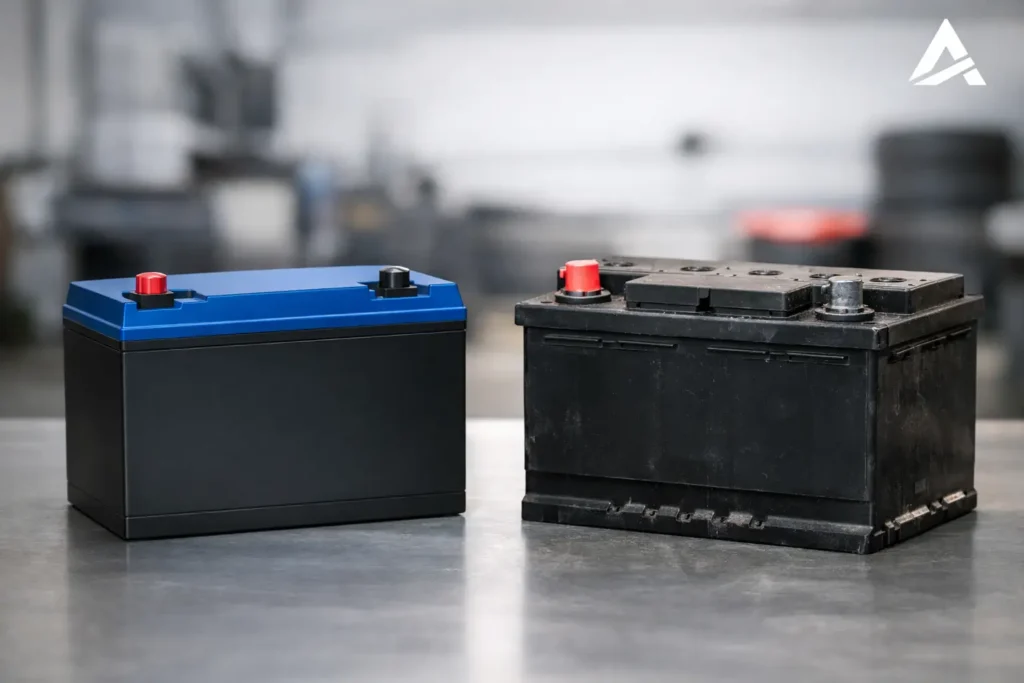

Electricity bills do not grow linearly. In industrial and commercial facilities, they often increase in jumps due to peak loads, tariff changes, production expansion, and increasingly expensive unplanned consumption. That’s why the question of return on investment is not an administrative line in an Excel sheet, but a key business question: when does the system start working for you, instead of you working for your electricity bill?
With solar power plants, the answer is never universal. The return can be faster than the investor expects, but it can also be slower if the system is improperly sized, if the consumption profile is not properly analyzed, or if the decision is based solely on the initial cost of equipment. A serious assessment does not start with a panel catalog, but with your consumption pattern, facility load, and total cost of ownership over the entire system lifecycle.
How long does ROI take in practice?
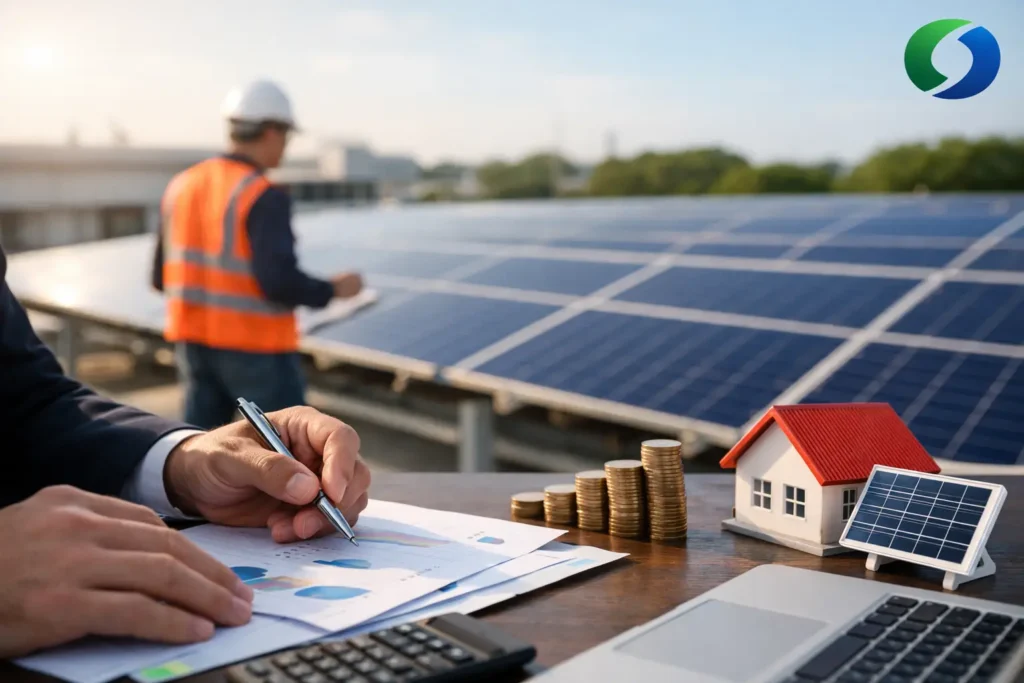
In most business applications in Serbia, the return on investment for a solar power plant typically ranges between 4 and 8 years. This is a wide range, but a realistic one. A manufacturing facility that consumes most of its energy during the day when solar production is at its peak often achieves a shorter payback period. On the other hand, a facility with significant evening consumption or strong seasonal fluctuations usually has a longer payback period if there is no adequate energy storage or consumption optimization.
For households, the payback period is also variable, most often between 6 and 10 years, depending on consumption, system size, electricity pricing models, and available subsidies. However, for companies, the calculation is usually more precise and potentially more favorable, as loads are higher, consumption is more stable, and savings are easier to measure.
If someone promises the same payback period for a factory, a cold storage facility, a logistics center, and a family home, that’s not a sign of simplicity it’s a sign that the analysis hasn’t been done properly.
What most affects the ROI timeline?
The first and most important factor is the consumption profile. It is not enough to know how many kilowatt-hours you consume monthly you need to know when you consume them. A solar system is most profitable when the generated energy is used immediately on-site. The higher the share of directly consumed solar energy, the better the project economics.
The second factor is the electricity price you currently pay and how it is structured. Companies with higher unit electricity costs, significant peak loads, or expensive tariff zones see faster returns. For them, every kilowatt-hour generated by their own system is more valuable.
The third factor is system size and quality. Oversizing a system does not automatically mean better profitability. If you produce more energy than you can use at the right time, part of the potential remains unused. On the other hand, an undersized system reduces total savings and prolongs the period of reliance on expensive grid electricity. That’s why system design is more important than equipment procurement.
There is also a fourth factor that is often overlooked system reliability. A cheaper upfront investment may seem attractive, but if it leads to higher losses due to downtime, lower performance, higher maintenance costs, or shorter warranties, the actual return is extended. In energy projects, the most expensive option is often not the one with the highest initial cost, but the one that generates the most hidden costs over time.
Why TCO changes the equation
When discussing ROI, most investors first look at CAPEX the cost of procurement and installation. This is important, but not sufficient. A serious decision is based on the TCO (Total Cost of Ownership) approach.
TCO includes component quality, expected panel degradation, inverter efficiency, maintenance costs, service availability, warranty duration, and operational risk. For industrial users, it is also important how the system integrates into existing infrastructure, whether additional construction work is required, how it affects operational continuity, and how it connects with existing energy subsystems.
In other words, ROI is not just a result of equipment cost and electricity price. It is a result of engineering quality. When a system is designed based on real consumption data and built with components that ensure predictable and stable performance, the payback period becomes more reliable, and projections of revenue and savings are closer to reality.
What happens to ROI when batteries are included?
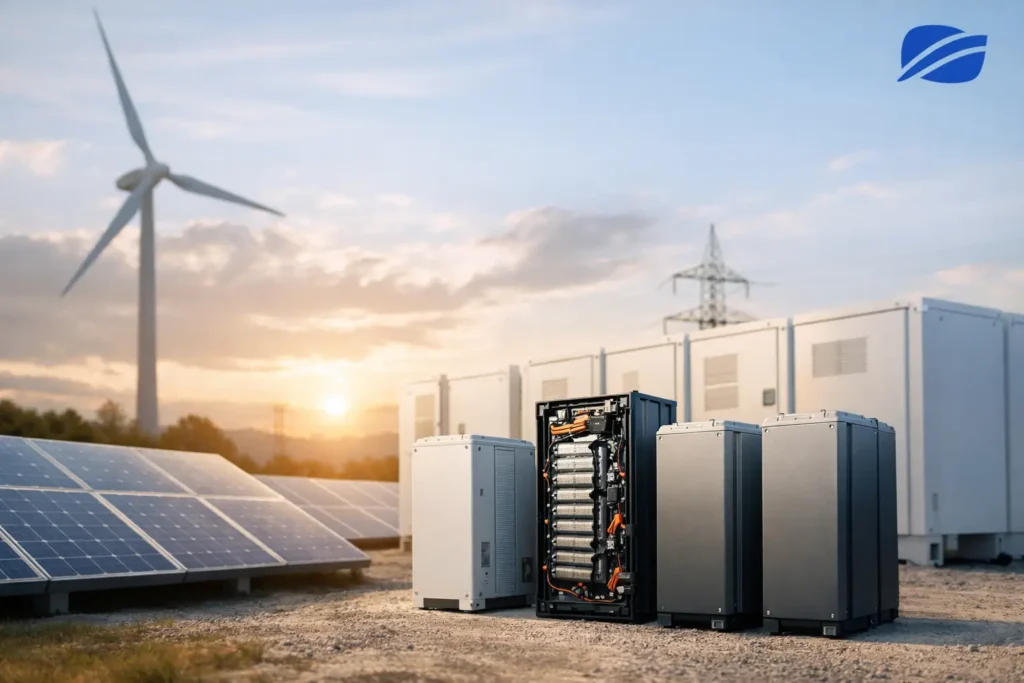
This is where there is no short answer. Battery systems can significantly increase energy independence and optimize consumption, but they do not automatically shorten the payback period.
If a company has significant evening consumption, high peak demand penalties, or a need for backup power, batteries can have clear business value. In that case, we are not talking only about savings, but about higher system availability, operational stability, and reduced risk of outages. For data centers, telecom systems, cold chains, manufacturing facilities, and critical infrastructure, this is a serious consideration not an add-on.
However, if batteries are introduced simply because they seem like the logical next step, without a precise analysis of peak loads and operating mode, the overall investment increases and the payback period may be longer. That’s why storage should be viewed as part of a broader energy solution, not a universal rule.
Common mistakes that extend ROI
The most expensive mistake is making decisions based on average annual consumption without analyzing hourly or daily load profiles. Another common mistake is focusing solely on the lowest price. When an investor buys only equipment instead of a fully engineered solution, they often pay later through lower yields, poor integration, or higher operating costs.
A third issue is ignoring future changes. If you plan to expand production, add new loads, electrify processes, or introduce EV charging, today’s optimal system size may not be optimal in two years. That’s why the system must be designed to support business growth, not just current conditions.
A fourth mistake is treating solar as separate from the rest of the energy system. In practice, the best results are achieved when the entire picture is considered solar generation, energy storage, power quality, UPS systems, generators, HVAC loads, and consumption management. At that point, the investment is no longer an isolated project, but part of the company’s energy strategy.
How ROI is realistically assessed
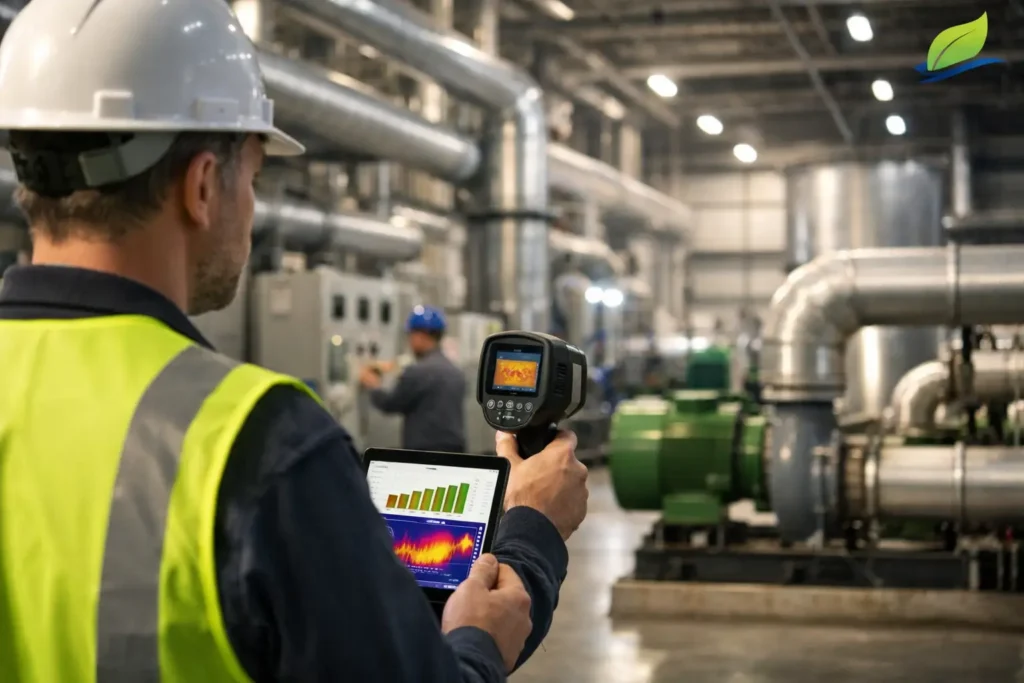
An accurate assessment starts with an energy audit of the facility. Historical bills, consumption data, tariff structures, available space, orientation, and grid connection conditions are analyzed. Then, expected production is modeled and compared with the actual consumption profile.
Next, different scenarios are developed. One scenario may involve a basic solar system without storage. Another may include batteries. A third may involve peak load optimization or backup power integration. Only when these scenarios are translated into CAPEX, OPEX, expected savings, and payback period does the investor have a solid basis for decision-making.
This is where the difference between equipment sales and an engineering approach becomes clear. Companies that handle complex projects do not answer the question of ROI offhand they rely on data, simulation, and technically sustainable operating models. This approach minimizes unpleasant surprises after system commissioning.
What is a good ROI for a company?
There is no single “magic number,” but there is always business context. For a company with stable daytime consumption and high electricity costs, a payback period of around five years can be very attractive especially when considering the system’s long lifespan and long-term protection against rising energy prices. For facilities with more complex operating modes, a longer payback period can still make sense if the investment delivers greater reliability, lower operational risk, and improved energy control.
In other words, a good project is not necessarily the one with the shortest payback period on paper. A good project is one that is technically stable, financially sustainable, and aligned with how your facility actually consumes energy.
For companies planning long-term, solar is no longer a question of image. It is a question of production cost, system resilience, and control over one of the most volatile input costs. If you want a realistic answer to the question of ROI, you first need a realistic model of your consumption. Everything else is estimation without a foundation. That’s why a serious investment starts with analysis, not an offer.