Introduction: The Problem No One Talks About in the Solar World
Serbia is currently undergoing a “solar boom.” Thousands of hectares are being converted into photovoltaic fields, and factory rooftops are turning into small power plants. But as the number of megawatts grows, investors are facing a phenomenon that is already causing serious issues in Europe: negative electricity prices and grid saturation.
What happens when your solar park produces maximum energy at 1:00 PM, but the grid cannot accept it, or the market price is zero (or even negative)? Until now, the only answer was curtailment shutting down panels or wasting energy.
By 2026, the answer is different: Green Hydrogen. Your solar park is no longer just a producer of electricity; it becomes a modern refinery for clean fuel.
The “Power-to-Gas” Concept: How to Pack the Sun into a Bottle
Before we dive into the economics, we must understand the technical magic behind this. The concept is called Power-to-Gas (P2G).
The Technical Mechanism
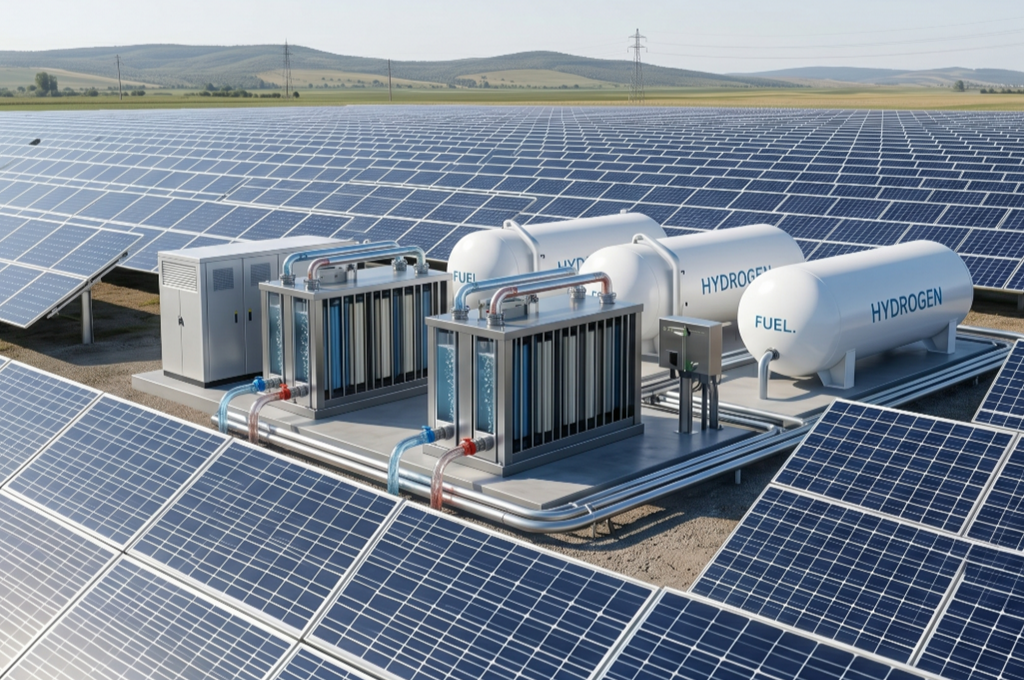
In a standard solar park, power from the panels goes directly into inverters and then to the grid. In a hybrid system, a portion of that power is redirected to an electrolyzer unit.
- Electrolysis: Using electricity from your panels, the electrolyzer splits ordinary water (H2O) into oxygen and hydrogen.
- Storage: The resulting hydrogen is compressed and stored in high-pressure tanks.
- Flexibility: The latest PEM (Proton Exchange Membrane) electrolyzers can start and stop within seconds, making them the perfect partner for solar panels whose production fluctuates with every passing cloud.
Instead of depending on whether the grid “wants” your power at a given moment, you convert energy into a physical product that you can sell tomorrow, next month, or transport to where it is needed most.
Serbia: A Geographical Wildcard for Solar Hydrogen
Why is Serbia an ideal playground for this business model?
Serbia has approximately 30% higher solar potential than Germany, the world leader in this technology. Our solar parks produce more kWh per installed megawatt, meaning the “raw material” for hydrogen production is cheaper here.
Serbia has a developed industrial base (Pančevo, Smederevo, Bor, Prahovo) that requires massive amounts of gas and energy. Many of these complexes are located near potential sites for large solar parks, drastically reducing hydrogen transport costs.
Serbia’s position in the Balkans makes it a natural transit hub. The gas pipelines passing through our country will be “hydrogen-ready” in the future, allowing Serbian solar park owners to export their “liquid solar contribution” directly to the heart of Europe.
Project Economics: Where is the Profit?
As a manager or capital owner, you don’t invest in technology just because it’s “green,” but because it’s profitable. Green hydrogen changes your ROI (Return on Investment) on three levels:
Elimination of Energy Waste
When the Transmission System Operator (TSO) requires a reduction in production due to grid overload, solar owners lose money. With an electrolyzer installed, that excess power—which would otherwise be “thrown away” is converted into hydrogen. Your capacity utilization jumps to nearly 100%.
Price Arbitrage
The price of electricity on the market fluctuates throughout the day. Instead of selling power at noon when it is cheapest (because everyone is producing it), you use it to produce hydrogen. You then sell that hydrogen at negotiated premium prices to industrial buyers who must decarbonize their processes.
Avoiding CO2 Penalties (The CBAM Advantage)
For companies using hydrogen in production, this means drastically lower costs regarding environmental taxes. As a producer of green hydrogen, you aren’t just selling fuel; you are selling a “purity certificate” that saves your customer millions of euros when exporting to the EU.
Hybridization: Solar Panels + Batteries + Hydrogen
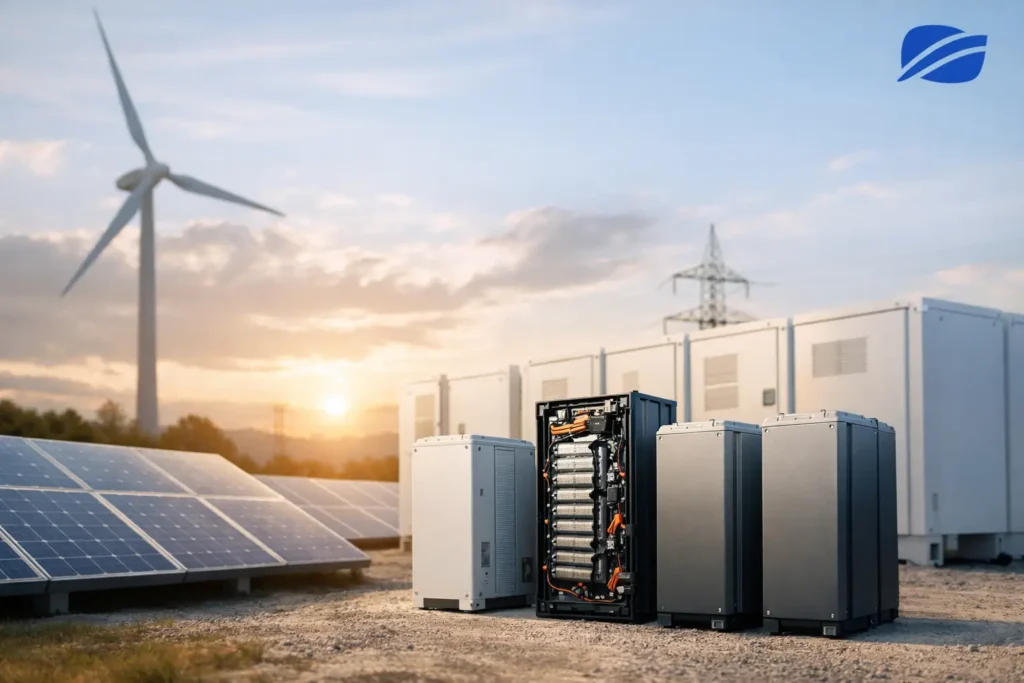
In 2026, we are no longer talking about isolated systems. The future lies in hybridization. Batteries handle short-term fluctuations (e.g., a passing cloud or evening peak demand). Hydrogen handles long-term storage and industrial applications.
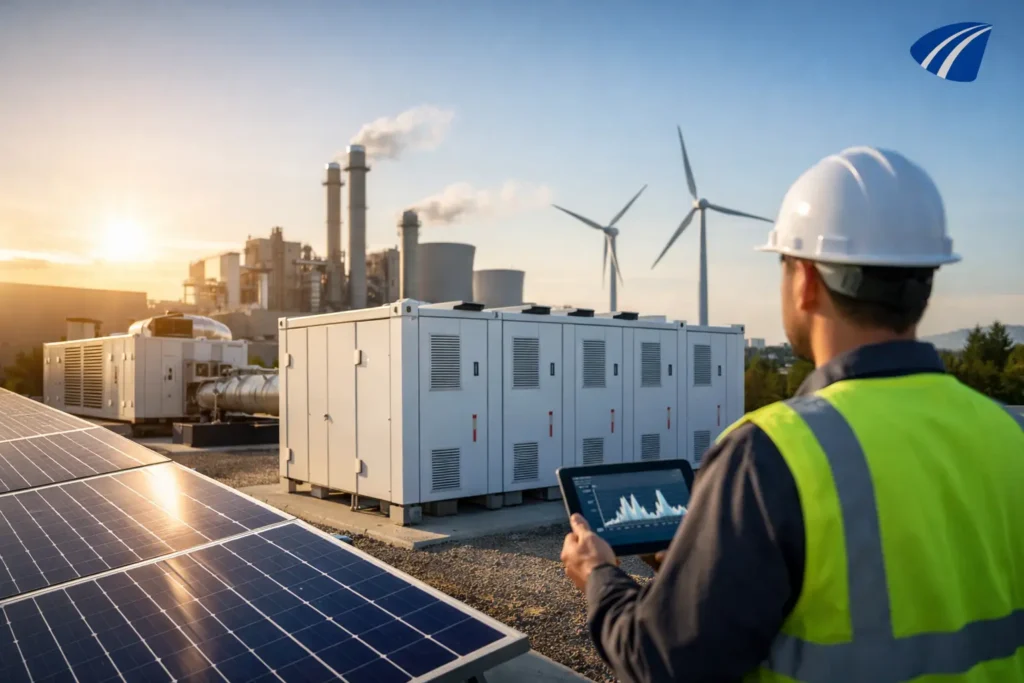
By combining 50kW+ hybrid inverters, battery systems, and electrolyzers, a solar park becomes an independent energy entity. It can stabilize the local grid, charge electric vehicles, supply a local factory with thermal energy (a byproduct of electrolysis), and deliver hydrogen to trucks.
What Awaits Us Until 2030
The Energy Development Strategy of the Republic of Serbia increasingly recognizes hydrogen as a key pillar. Incentives (feed-in premiums) are expected not only for clean electricity but specifically for green hydrogen production.
Investors who include “H2-ready” infrastructure in their projects today (leaving space and technical prerequisites for future electrolyzer installation) will have a massive advantage over those building traditional, “obsolete” solar power plants.
Conclusion: Are You Building the Past or the Future?
Solar energy in Serbia is no longer a novelty. The novelty is what you do with that energy after the panel produces it.
Green hydrogen is the missing link that will turn solar parks into the pillars of the Serbian economy. It is a transformation from being a “seller of cheap kilowatts” to a “holder of a precious resource.” The future is clear: the sun will shine, and we will turn that sun into the fuel that powers our industry, our trucks, and our economy.