Every investment begins with the same question: what exactly are you buying?
When you buy shares, you acquire an ownership stake in a company. When you purchase real estate, you become the owner of a tangible asset. When you invest in bonds, you acquire the right to receive future cash flows under predefined terms.
The Solar Land is built on a different principle.
Investors do not purchase solar panels, own individual pieces of equipment, or invest in the value of the company developing the power plant. Instead, their investment is linked to the production of electricity and the economic value created by that production throughout the operational lifetime of the solar power plant.
At first glance, this distinction may seem subtle. In practice, however, it fundamentally changes the way the investment should be understood.
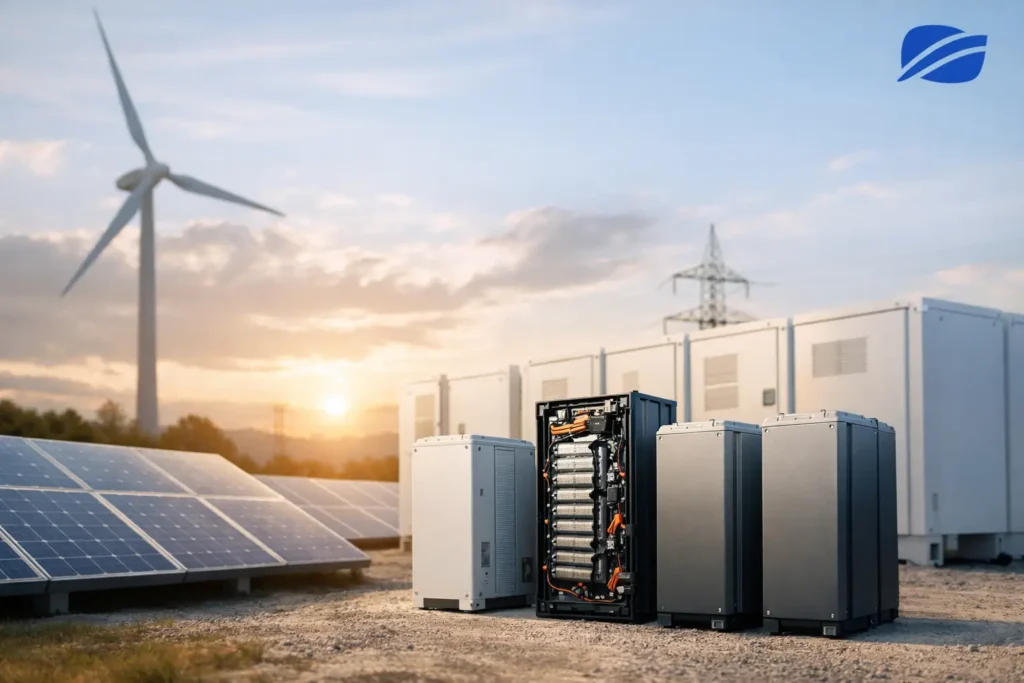
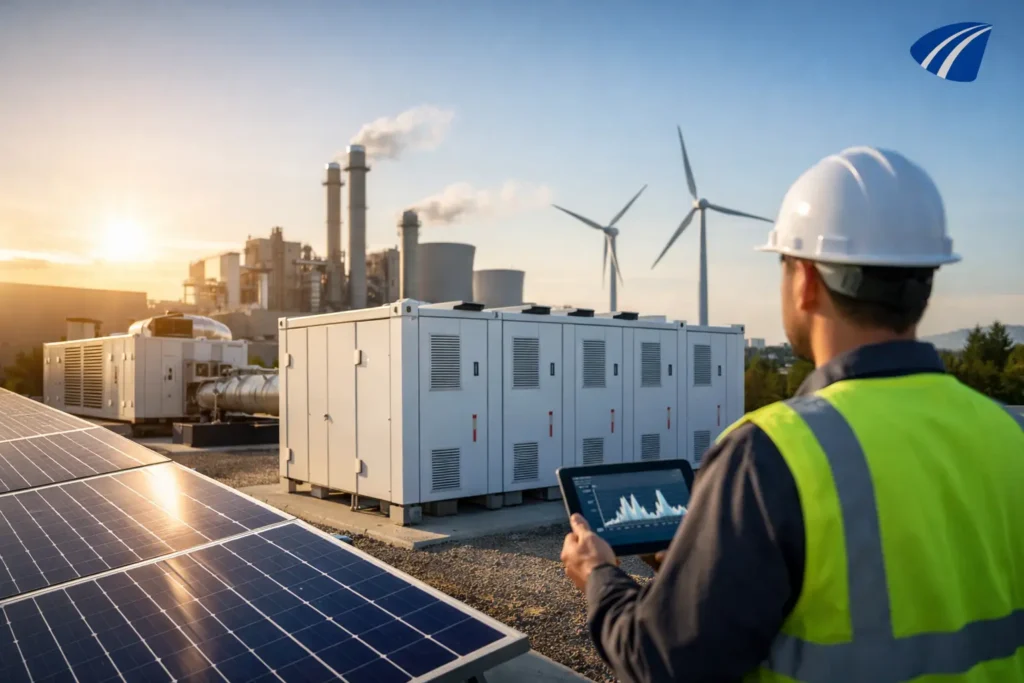
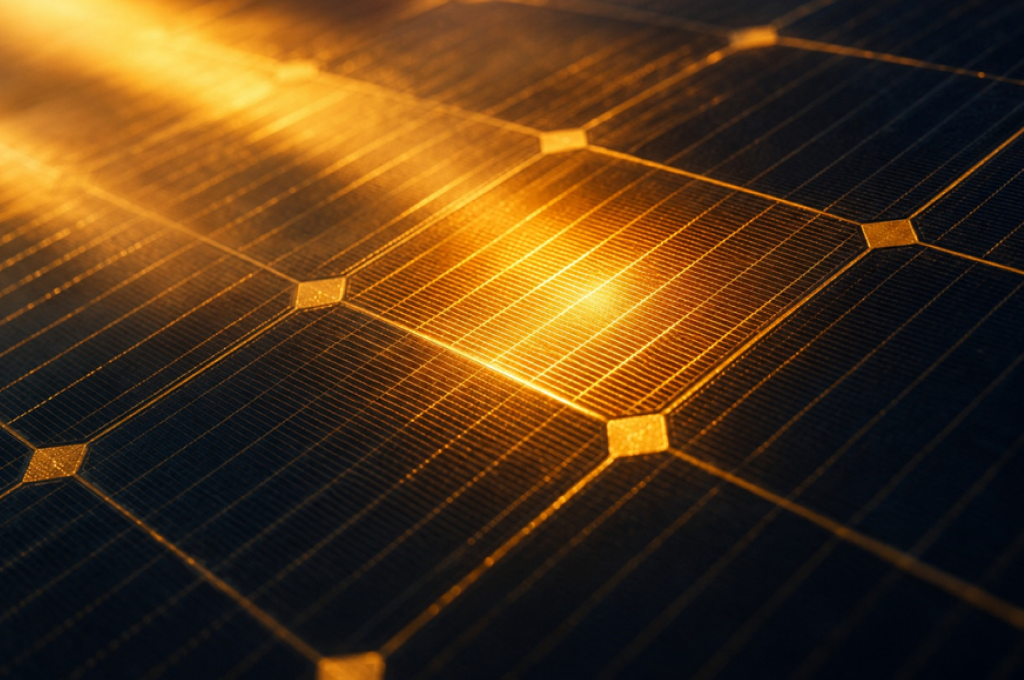
Solar panels, inverters, substations, and other equipment are production assets. Their purpose is not to serve as the investment itself, but to enable the continuous generation of electricity.
Just as the value of a factory is not determined by the machines inside it, but by the products those machines create every day, the value of a solar power plant is not defined by the cost of its panels or inverters. Its value lies in its ability to reliably generate electricity over several decades and deliver that electricity to the market.
For this reason, The Solar Land places electricity generation not equipment ownership at the center of the investment.
Why Is Electricity a Unique Investment Asset?
Electricity is not a financial instrument whose value depends solely on market expectations. It is a commodity without which the modern economy cannot function.
Industries, households, hospitals, data centers, railways, manufacturing facilities, and communication systems all depend on a reliable supply of electricity. Demand for electricity persists regardless of economic cycles, while the long-term trends of electrification and renewable energy development continue to increase its strategic importance.
Every megawatt-hour generated represents a measurable quantity of electricity with real market value. Once produced and delivered into the power grid, it becomes part of the electricity market and generates revenue.
It is through this process that the economic value of the investment is created.
How Are Returns Generated?
The process is straightforward.
Electricity generated by the solar power plant is sold either on the electricity market or directly to end customers through predefined commercial arrangements.
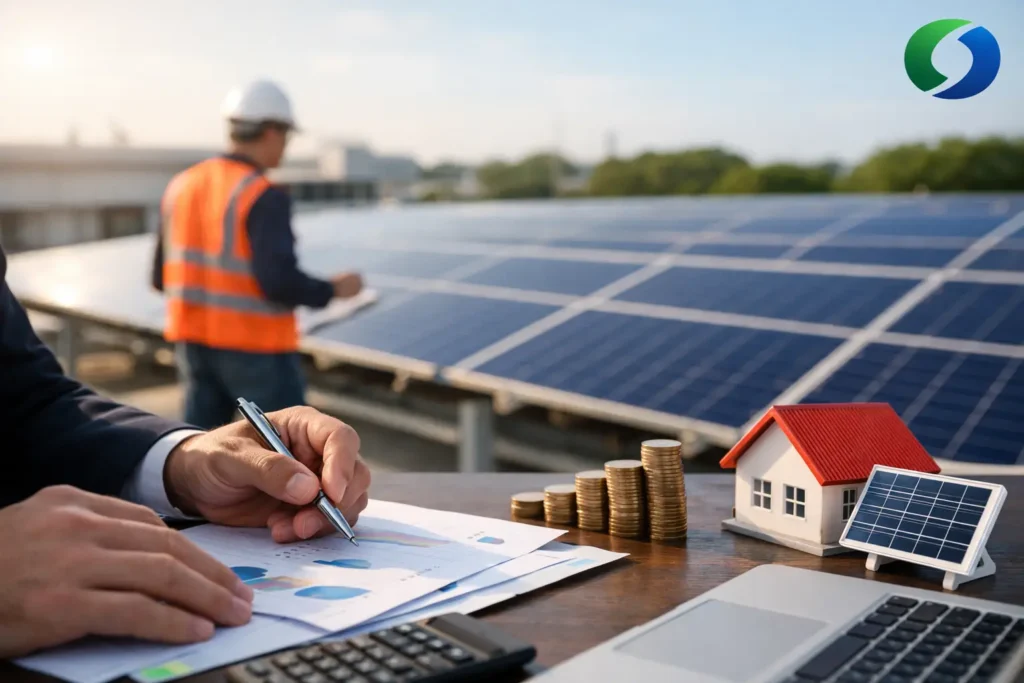
Revenue generated from electricity sales forms the basis for investor returns.
In other words, investment returns are derived from the performance of real infrastructure that continuously produces a marketable commodity, rather than from fluctuations in the value of financial instruments.
Managing the Infrastructure
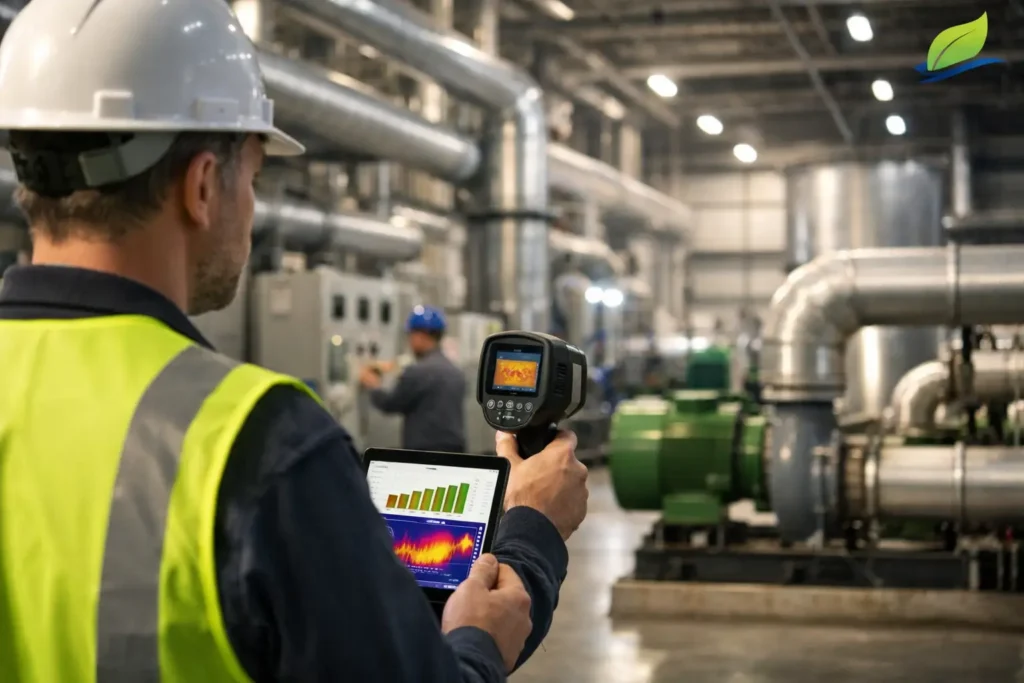
Developing a utility-scale solar power plant involves a wide range of complex activities, including engineering, permitting, construction, grid connection, insurance, technical supervision, maintenance, and long-term operational management.
All of these activities are organized and managed by The Solar Land together with its experienced technical partners.
Investors are not involved in the technical operation of the power plant and do not assume responsibility for its day-to-day management. Their role is purely that of an investor, while operational responsibility remains with the professional team responsible for developing, building, and maintaining the infrastructure.
This allows investors to gain economic exposure to energy infrastructure without having to develop or operate energy projects themselves.
How Is Risk Managed?
No investment is entirely free of risk, and renewable energy infrastructure is no exception.
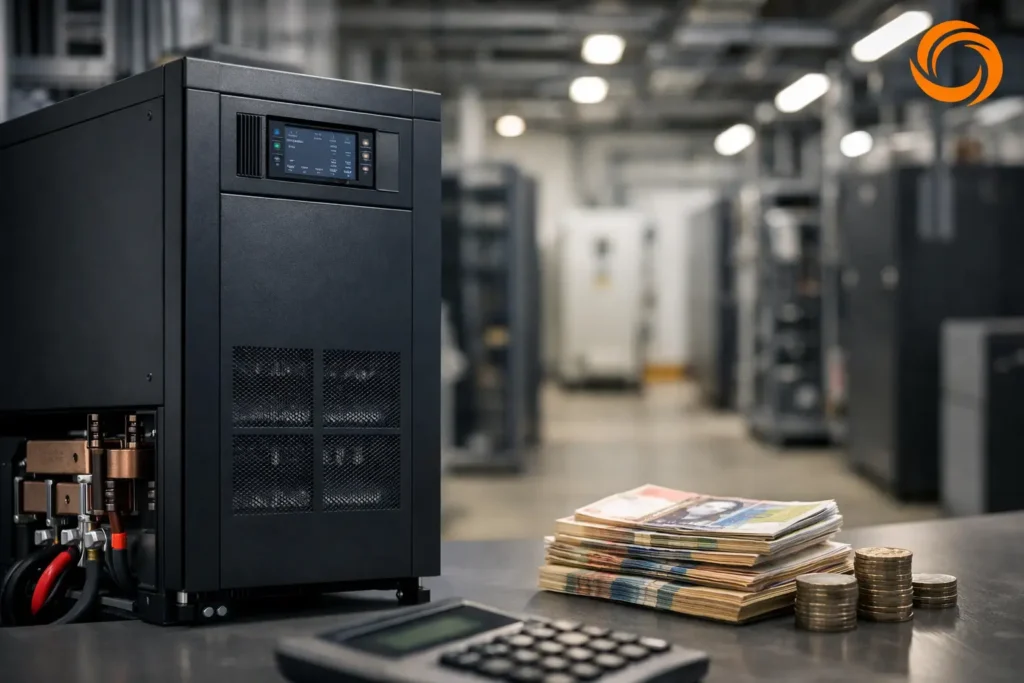
For that reason, The Solar Land relies on professional project management, high-quality engineering, preventive maintenance, comprehensive insurance coverage, and continuous technical monitoring. The objective of these measures is not to eliminate risk altogether, but to make it more predictable and ensure that it is actively managed throughout the operational lifetime of each power plant.
At the same time, investors have continuous visibility into project development, electricity production, and investment performance, making transparency an integral part of the investment model.
More Than an Investment in Technology
The purpose of The Solar Land is to connect individual investors with real infrastructure projects that generate electricity.
Every megawatt-hour produced from renewable energy sources contributes to reducing carbon dioxide emissions and increasing the share of clean energy within the electricity system.
As a result, the financial performance of the investment is accompanied by a measurable contribution to the global energy transition.
The essence of The Solar Land is not ownership of solar panels, but participation in the value created by modern energy infrastructure.
The value of this investment is not determined by any single component of the power plant, but by the facility’s ability to reliably generate electricity, produce revenue, and create long-term economic value over several decades.
For this reason, The Solar Land should not be viewed as an investment in equipment, but as an investment in long-term electricity generation, professionally managed infrastructure, and the sustainable development of the energy sector.