What Happens When a Transformer Fails?

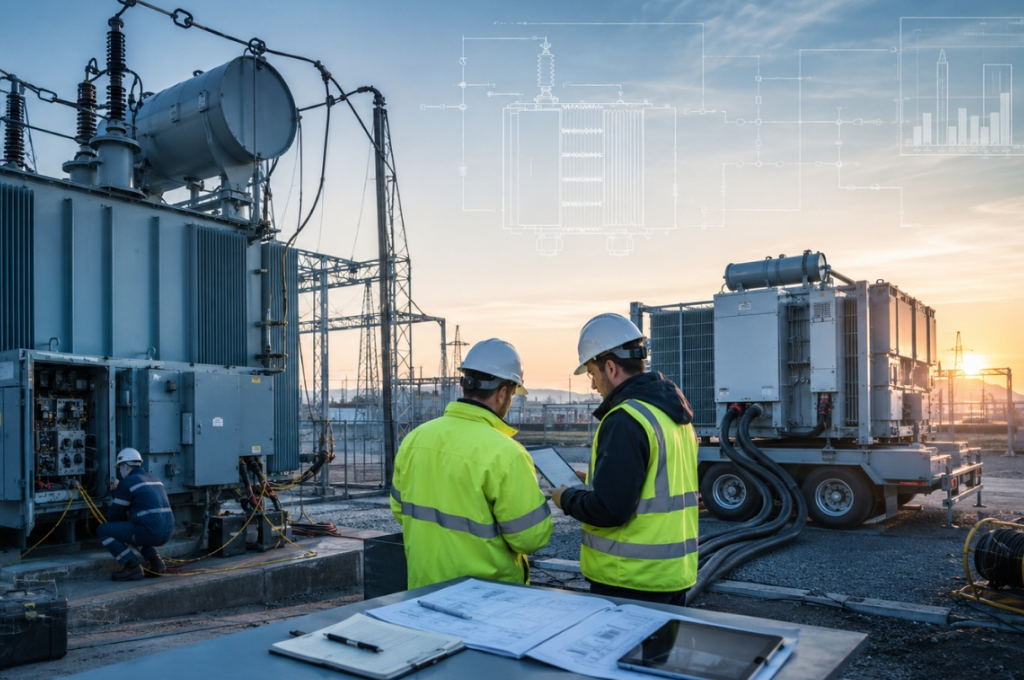
Transformer failure is not something companies like to think about because it is relatively rare. However, precisely because it is rare, few companies have an answer to a simple question: what exactly do we do tomorrow morning if our transformer burns out tonight?

That answer is worth defining today, while the scenario is still theoretical.

A transformer with the required capacity and technical characteristics is not an off-the-shelf product.

Delivery times for new transformers have been measured in months in recent years, while larger or more specialised units can take considerably longer. Global demand, driven by projects ranging from solar power plants to data centres, continues to exceed manufacturing capacity.

A company that faces a transformer failure without a plan is not choosing between good options, but between expensive ones: emergency procurement at premium prices, a used transformer with an unknown operating history, or weeks of production downtime.

The first line of defence is prevention.

Regular testing, thermal imaging and oil condition monitoring identify most problems while they can still be addressed through repair or planned replacement, rather than after a catastrophic failure.

The second line of defence is the system design: two transformers instead of one, or at least a substation designed to accept a replacement unit quickly, with switchgear and distribution equipment that allow this.

The third line of defence is contractual: a service agreement with a clearly defined response time and a partner who knows where a transformer with the required characteristics can be sourced at any given moment.

A good continuity plan for a transformer substation can fit on a single page and should answer five questions.

Who is called first, with the name and telephone number of a specific contact rather than only the name of a company?

Which loads are disconnected, which must remain operational and in what order?

How will the facility be supplied temporarily: through a generator, a neighbouring feeder, a mobile transformer substation or another solution, and who is responsible for providing it?

What are the exact characteristics of the existing transformer, including rated power, transformation ratio, vector group and dimensions, so that the search for a replacement can begin immediately rather than after two days of measurements?

And where is the substation documentation, including designs, test reports and inspection records, since every intervention takes longer without it?

For the largest industrial facilities, it may also be reasonable to consider owning a spare transformer or establishing an arrangement in which several companies share access to a common reserve unit.

This is a straightforward insurance calculation: the cost of a transformer that remains on standby compared with the cost of the downtime it could prevent.

For most companies, a more rational solution is a combination of preventive maintenance, a substation prepared for rapid replacement and a partner with access to the equipment market.

In both cases, the principle is the same: transformer failure must not be the moment when the company begins thinking about this issue for the first time.
How to Reduce Peak Demand With Battery Storage

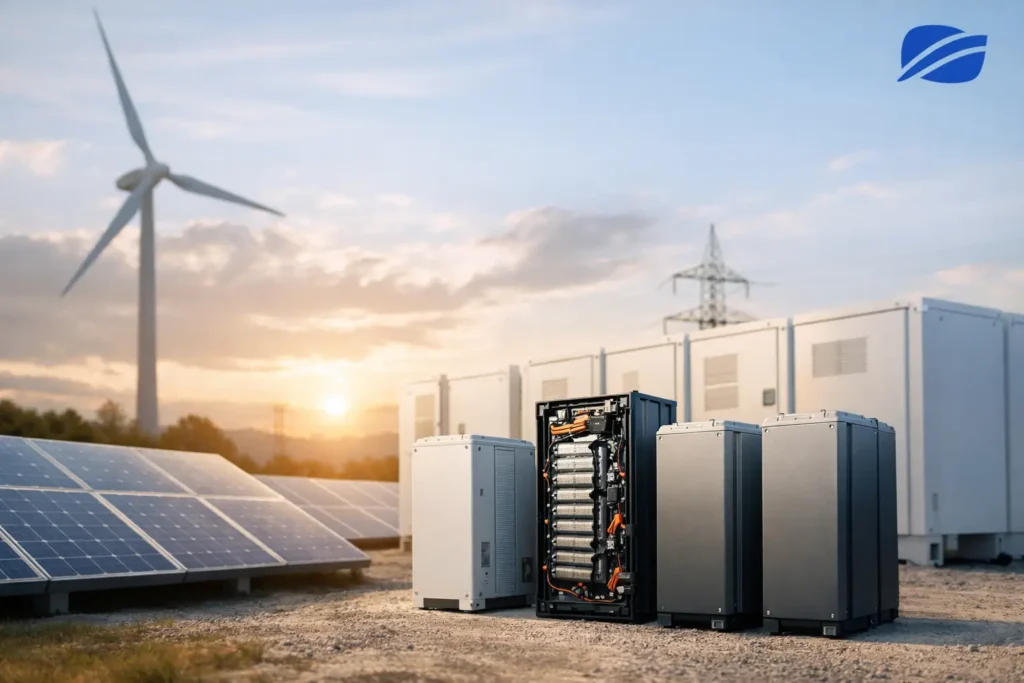
Learn how to reduce peak demand with battery storage, analyze energy consumption, and size a BESS for lower costs and reliable facility operation.

Guide to Factory Energy Audits and Lower Energy Costs

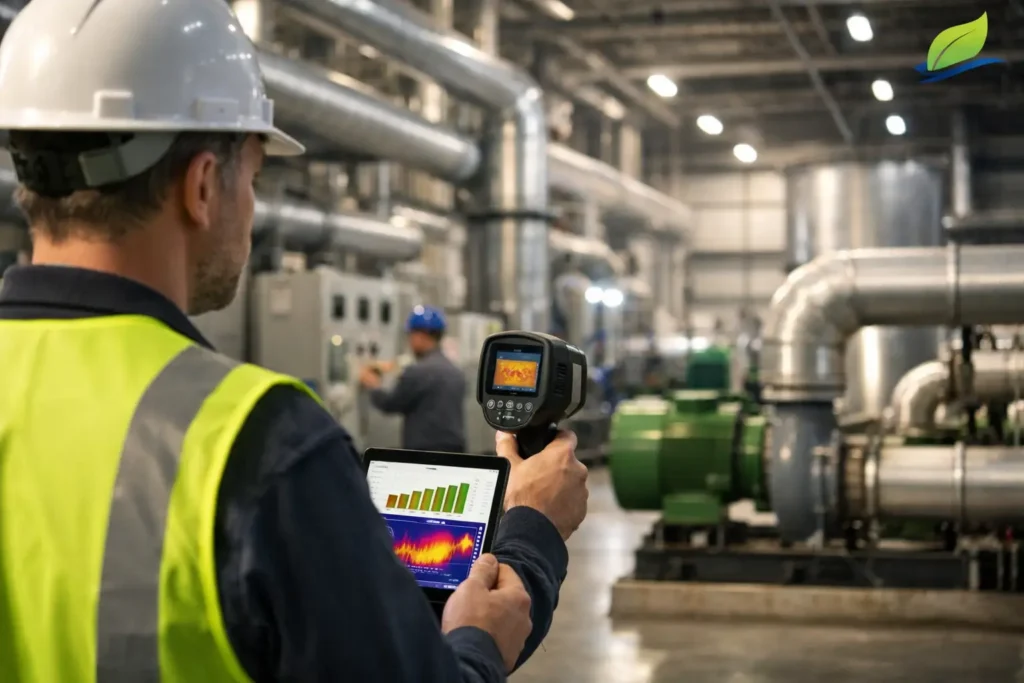
A Guide to Factory Energy Audits Shows Where a Facility Is Losing Energy, What to Measure, and How to Select Measures With a Clear Return on Investment and Lower Risk.

When Do Photovoltaic Systems for Businesses Pay Off?

Photovoltaic Systems for Businesses Reduce Energy Costs and Operational Risk. Learn How to Size a Solar Power Plant Based on Energy Consumption and Operating Profile.

Guide to EPC Contracts for Project Delivery

Guide to EPC Contracts: How to Define Scope, Timelines, Warranties, and Risks for the Successful Delivery of Solar and Energy Projects in Serbia Today.

How Much Does an Industrial UPS Cost in Serbia?

How Much Does an Industrial UPS Cost in Serbia? Learn What Determines the Investment Cost, How TCO Is Calculated, and What Should Be Included in the System Specification for an Industrial Facility.

Best Peak Shaving Solutions for Industry

The Best Peak Shaving Solutions Reduce Peak Demand, Electricity Costs, and Downtime Risk. Learn How to Accurately Size BESS, Solar, and Load Management Systems.

Guide to Powering Critical Infrastructure

Guide to Powering Critical Infrastructure: How to Design UPS Systems, Generators, Batteries, and BESS for Operational Continuity, Risk Management, and the TCO of Every Investment.

Lithium vs. Lead-Acid Batteries in Practice

Lithium vs. Lead-Acid Batteries: Compare Lifespan, Safety, Cost, and TCO for UPS, Solar Systems, and Critical Industrial Loads.

Learn more

Enter your information to receive more information on the selected topic

Planiraj svoju elektranu

Odgovorite na pitanja ispod kako bi naš inženjerski tim mogao da uradi studiju izvodljivosti nakon koje će vas kontaktirati.

Nakon dostavljanja podataka, naš stručni tim će analizirati Vaš zahtev i pripremiti personalizovanu ponudu sa predlogom optimalnog solarnog sistema za Vaš objekat. Kontaktiraćemo Vas kako bismo predstavili predloženo tehničko rešenje, očekivanu proizvodnju električne energije i odgovorili na sva Vaša pitanja u vezi sa realizacijom projekta.

Solarna elektrana omogućava dugoročno smanjenje troškova električne energije, veću energetsku nezavisnost domaćinstva i doprinosi očuvanju životne sredine korišćenjem energije iz obnovljivih izvora.

Planiraj svoju elektranu

Odgovorite na pitanja ispod kako bi naš inženjerski tim mogao da uradi studiju izvodljivosti nakon koje će vas kontaktirati.

Nakon dostavljenih podataka za izradu studije izvodljivosti, i kada naš inženjerski tim uradi studiju izvodljivosti, predlažemo da organizujemo sastanak gde bismo Vam prezentovali studiju. Takođe, tom prilikom ćemo detaljnije pričati o samoj investiciji i benefitima ulaganja u obnovljive izvore energije, kao i o mogćim otpisima putem dostupnih fondova (IPARD, RAS, EBRD).  

Pored uštede električne energije, solarnom elektranom možete generisati i dodatne benefite kao što su direktran uticaj na smanjenje emsije CO2 što može direktno uticati na konkurentnost prilikom izvoza na tržištu EU, kao i dodatne benefite uštede hlađenja.

Planiraj svoju elektranu

Izaberite tip objekta za koji želite da planirate solarnu elektranu