What Does the Next Decade Bring?
For decades, the power grid has operated in a one-way manner, with large power plants generating electricity and end-users consuming it. However, we are entering an era where the grid is ceasing to be a passive transmitter of energy and is becoming a living, digital organism. Over the next ten years, the energy grid will become more like the internet than a traditional cable system, introducing us to the world of the Internet of Energy.
Smart Grids as the Brain of Every Facility
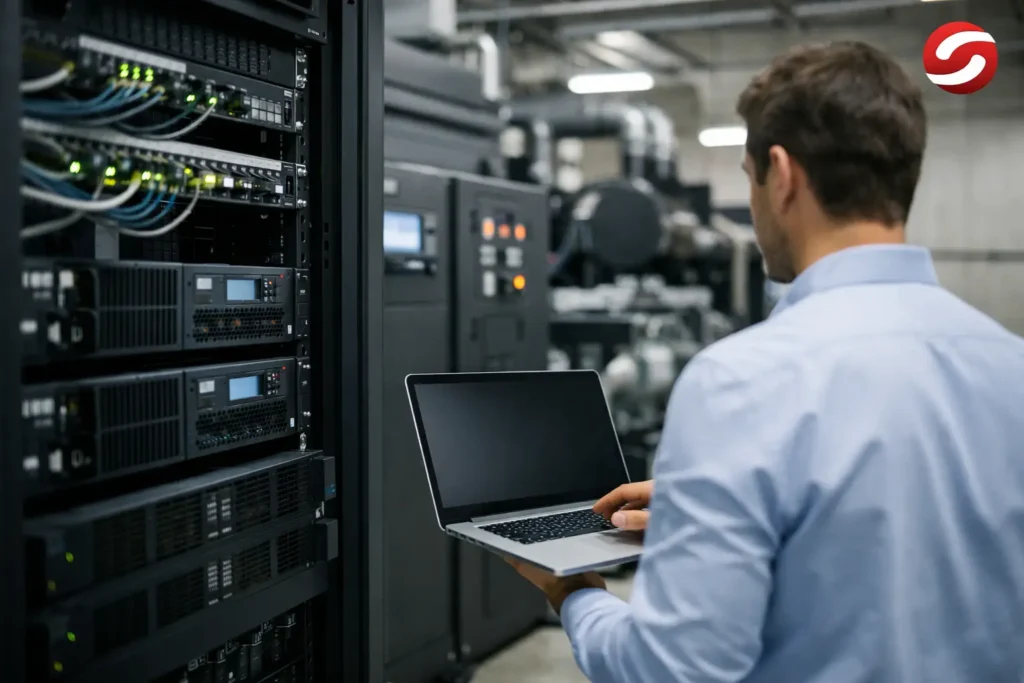
The traditional grid operated without advanced monitoring, which is why operators often only learned about an outage after a user reported it. Digitalization brings sensors that report the status of every kilometer of the power line in real time. For energy experts, this implies the implementation of advanced management and automation systems that allow the grid to recover on its own by rerouting energy flows. The ultimate result for citizens is fewer power outages and significantly faster repair times.
Artificial Intelligence as the Main Energy Dispatcher
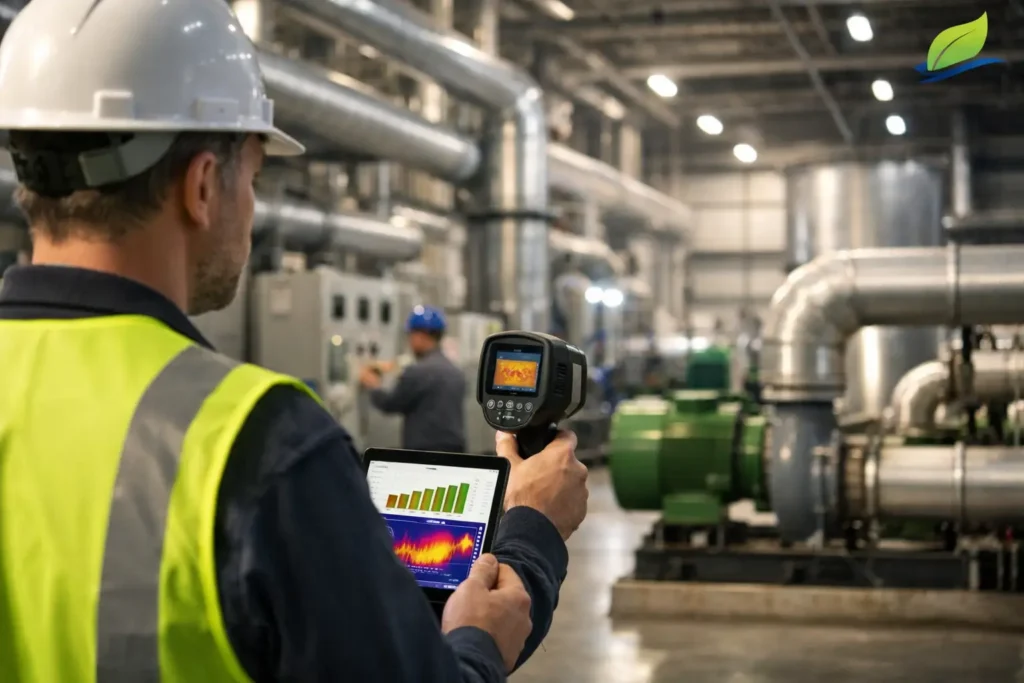
In the coming decade, artificial intelligence-based systems will take on the role of the main dispatcher. Given that the greatest challenge of renewable sources is their unpredictability, these algorithms will analyze thousands of parameters, including weather forecasts, historical consumption, and social events that change people’s habits. The goal is to predict consumption with 99% accuracy. In addition, predictive maintenance is being developed, where sensors and analytics predict equipment failures, such as transformers, months in advance by analyzing minute changes in vibrations or heat.
Prosumers and Decentralized Energy Trading
The role of citizens is gradually changing, as they cease to be exclusively consumers and become active energy producers. They will have the opportunity to sell excess energy from their solar panels directly to nearby users, for example, to a neighbor charging their electric car. This process will be supported by blockchain technology, which enables secure and direct transactions without intermediaries. Smart meters will automatically trade energy on the local market without the need for constant user supervision.
Digital Twins of Facilities
One of the most fascinating trends is the creation of virtual copies of entire energy facilities or even cities. Unlike the traditional approach, which involves risky live testing of changes on the system, manual data collection from the field, and discovering problems only after a failure, these digital models bring a complete paradigm shift. The advanced approach enables automatic data transmission in real time, the simulation of thousands of scenarios in a virtual world, and the identification of weak points before the facilities are even built.
Cybersecurity Challenges
As the grid becomes more digital, it simultaneously becomes a target for potential attacks. In the next decade, cybersecurity in the energy sector will be just as important as the generation of electricity itself. Protecting critical infrastructure from hacker attacks will become an absolute priority for every country. Energy in the Palm of Your Hand Energy digitalization is not exclusively a matter of technology, but also of sustainability. Without digital tools, the transition to fully green energy is practically impossible, because only an advanced and automated system can successfully balance millions of small energy sources. The next decade brings democratization to this field, meaning electricity will no longer be a resource we only think about through monthly bills, but a commodity we will all actively and daily manage via our smartphones.