Security Behind the Wall

Why Certificates and Standards Are Crucial When Choosing Cables

When we think about renovating an apartment, building a production hall, or equipping a data center, our focus is usually on what is visible, such as modern lighting, powerful machinery, or elegant switches. However, the true strength and security of any facility lie in its distribution network, namely the cables. It is often mistakenly assumed that a cable is just an ordinary wire, but in the world of electrical engineering, the difference between a certified cable and an uncertified one is the difference between decades of reliable operation and a catastrophic failure. Certificates and standards represent the only true guarantee of quality and safety.

The most important reason for applying standards is human safety. In the European Union and on our market, the CPR (Construction Products Regulation) is in effect, classifying cables according to their behavior in fire conditions. A certified cable is rigorously tested for the speed of flame spread, the amount of smoke emitted, and the presence of toxic gases. For example, cables marked LSZH (Low Smoke Zero Halogen) ensure that in the event of a fire, visibility in the room remains adequate for safe evacuation, while the air remains free of toxic fumes.

Standards such as ISO and VDE strictly prescribe copper purity and insulation thickness. Lower-quality products are often found on the market, containing aluminum mixtures or recycled plastic that degrades and cracks after a few years. An inadequate conductor cross-section or a poor alloy directly increases electrical resistance. Higher resistance leads to cable heating, which increases the risk of fire and generates higher energy losses. A certificate is a guarantee that the specified cross-section of 2.5 square millimeters truly represents a solid cross-section of high-quality copper capable of withstanding the projected load.

Investing in certified cables represents long-term savings. Standards guarantee that the insulation will withstand temperature changes, moisture, and mechanical stress over decades of operation. The cost of replacing a bad cable in the wall is always tenfold higher than the price difference when purchasing a high-quality cable at the beginning of the project.

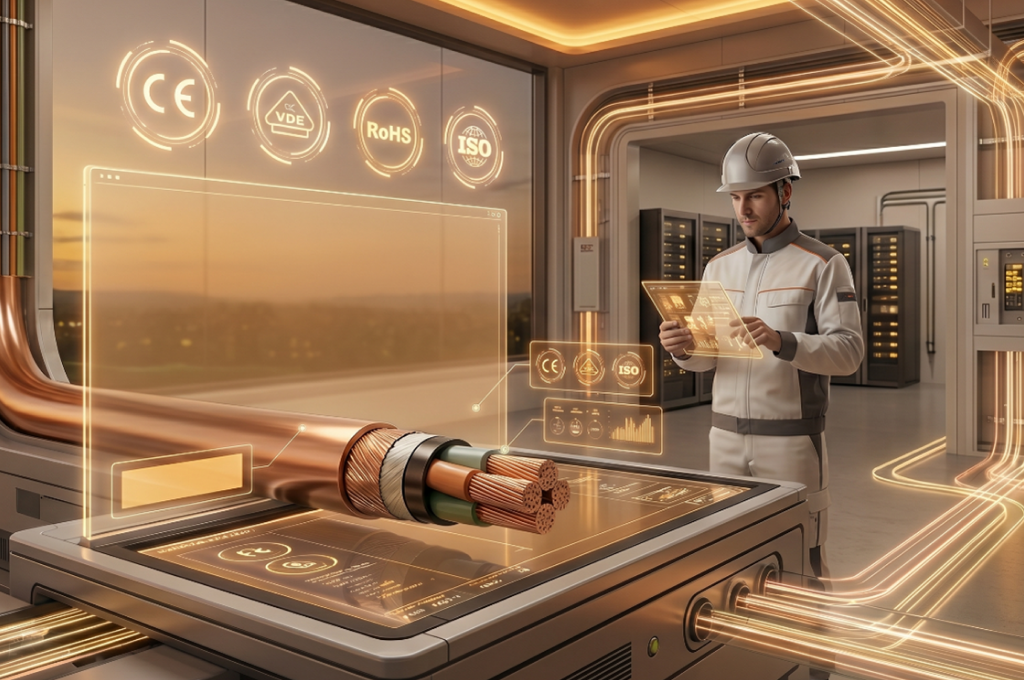
When reviewing a cable specification, it is important to recognize the key markings that confirm its quality. The CE mark represents confirmation that the product meets the strict health, safety, and environmental standards of the European Union. The VDE certificate is issued by an eminent German institute and represents one of the strictest tests for electrical components globally. The RoHS mark guarantees that the cable does not contain hazardous and harmful substances such as lead or mercury, while the ISO 9001 certificate confirms that the manufacturer applies a strictly controlled quality management system in the production process.

In our business, choosing cables with international certificates is not just a technical decision it is a promise to our clients. By choosing standardized products, you are choosing safety, longevity, and maximum efficiency. Do not allow the most important part of your project to be its weakest link.
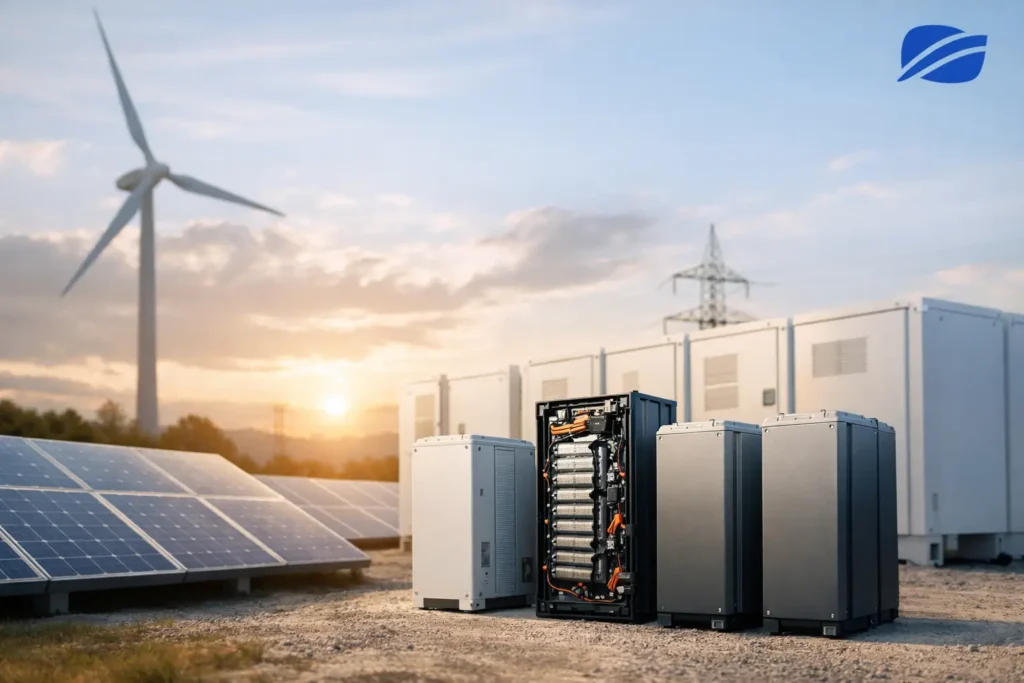
How to Reduce Peak Demand With Battery Storage

Learn how to reduce peak demand with battery storage, analyze energy consumption, and size a BESS for lower costs and reliable facility operation.

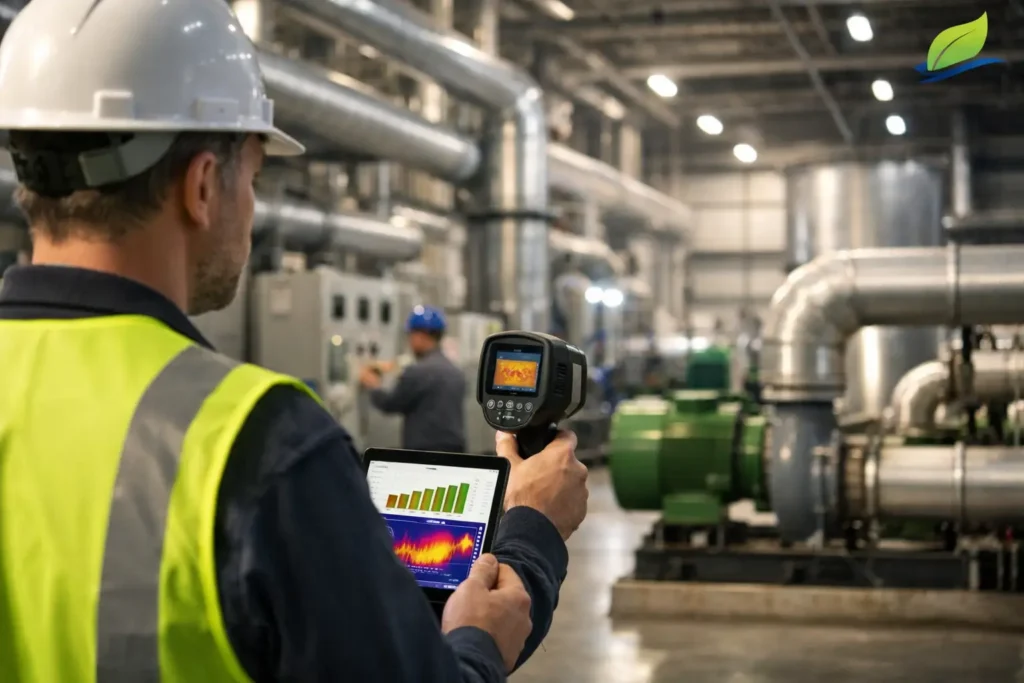
Guide to Factory Energy Audits and Lower Energy Costs

A Guide to Factory Energy Audits Shows Where a Facility Is Losing Energy, What to Measure, and How to Select Measures With a Clear Return on Investment and Lower Risk.

When Do Photovoltaic Systems for Businesses Pay Off?

Photovoltaic Systems for Businesses Reduce Energy Costs and Operational Risk. Learn How to Size a Solar Power Plant Based on Energy Consumption and Operating Profile.

Guide to EPC Contracts for Project Delivery

Guide to EPC Contracts: How to Define Scope, Timelines, Warranties, and Risks for the Successful Delivery of Solar and Energy Projects in Serbia Today.

How Much Does an Industrial UPS Cost in Serbia?

How Much Does an Industrial UPS Cost in Serbia? Learn What Determines the Investment Cost, How TCO Is Calculated, and What Should Be Included in the System Specification for an Industrial Facility.

Best Peak Shaving Solutions for Industry

The Best Peak Shaving Solutions Reduce Peak Demand, Electricity Costs, and Downtime Risk. Learn How to Accurately Size BESS, Solar, and Load Management Systems.

Guide to Powering Critical Infrastructure

Guide to Powering Critical Infrastructure: How to Design UPS Systems, Generators, Batteries, and BESS for Operational Continuity, Risk Management, and the TCO of Every Investment.

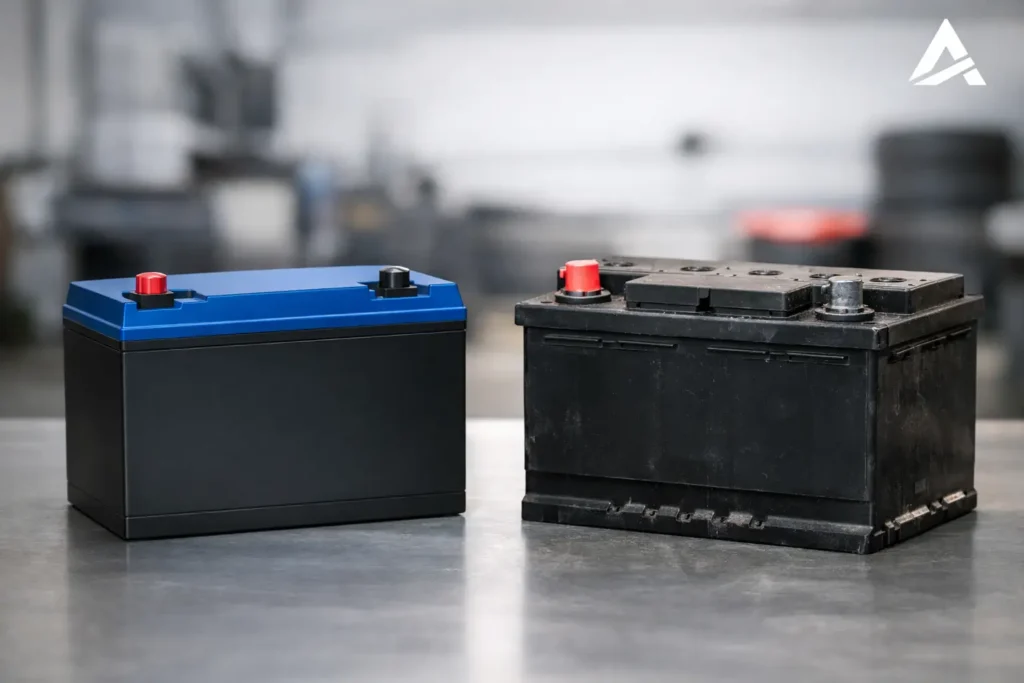
Lithium vs. Lead-Acid Batteries in Practice

Lithium vs. Lead-Acid Batteries: Compare Lifespan, Safety, Cost, and TCO for UPS, Solar Systems, and Critical Industrial Loads.

Learn more

Enter your information to receive more information on the selected topic

Planiraj svoju elektranu

Odgovorite na pitanja ispod kako bi naš inženjerski tim mogao da uradi studiju izvodljivosti nakon koje će vas kontaktirati.

Nakon dostavljanja podataka, naš stručni tim će analizirati Vaš zahtev i pripremiti personalizovanu ponudu sa predlogom optimalnog solarnog sistema za Vaš objekat. Kontaktiraćemo Vas kako bismo predstavili predloženo tehničko rešenje, očekivanu proizvodnju električne energije i odgovorili na sva Vaša pitanja u vezi sa realizacijom projekta.

Solarna elektrana omogućava dugoročno smanjenje troškova električne energije, veću energetsku nezavisnost domaćinstva i doprinosi očuvanju životne sredine korišćenjem energije iz obnovljivih izvora.

Planiraj svoju elektranu

Odgovorite na pitanja ispod kako bi naš inženjerski tim mogao da uradi studiju izvodljivosti nakon koje će vas kontaktirati.

Nakon dostavljenih podataka za izradu studije izvodljivosti, i kada naš inženjerski tim uradi studiju izvodljivosti, predlažemo da organizujemo sastanak gde bismo Vam prezentovali studiju. Takođe, tom prilikom ćemo detaljnije pričati o samoj investiciji i benefitima ulaganja u obnovljive izvore energije, kao i o mogćim otpisima putem dostupnih fondova (IPARD, RAS, EBRD).  

Pored uštede električne energije, solarnom elektranom možete generisati i dodatne benefite kao što su direktran uticaj na smanjenje emsije CO2 što može direktno uticati na konkurentnost prilikom izvoza na tržištu EU, kao i dodatne benefite uštede hlađenja.

Planiraj svoju elektranu

Izaberite tip objekta za koji želite da planirate solarnu elektranu