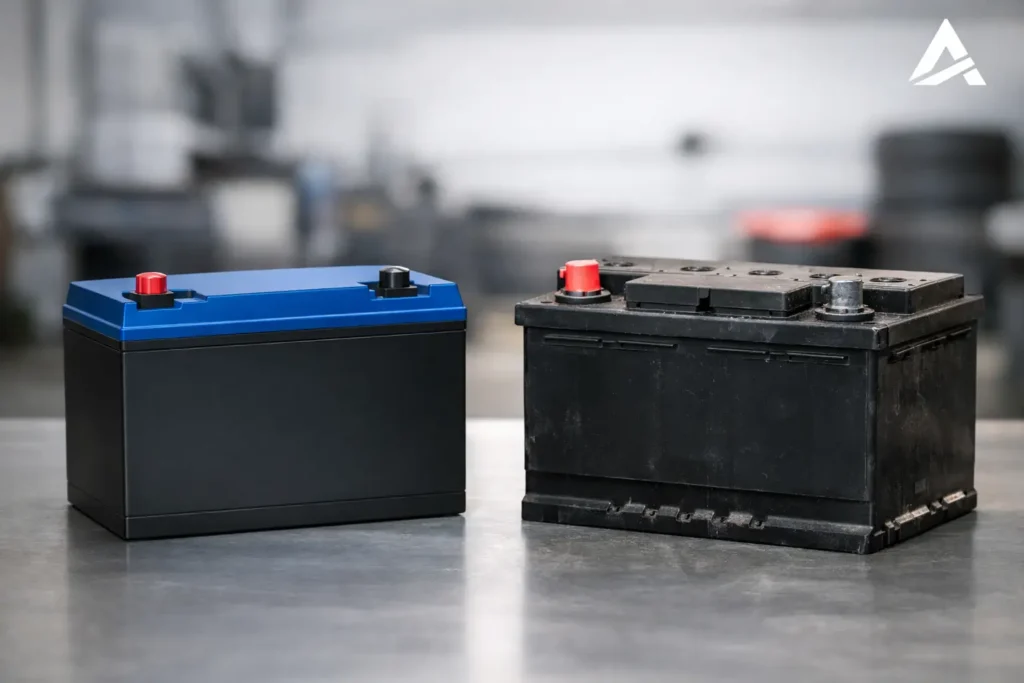

Power outages are not measured only in minutes of darkness. In manufacturing, it means halted production lines; in logistics, disrupted dispatch; in retail, failure of fiscal systems; and in data environments, the risk of data loss and reputational damage. That is why backup power for businesses is not an isolated cost, but a core element of business continuity strategy, equipment protection, and total cost of ownership control.
For most companies, the issue is not only a complete power outage. More often, damage is caused by voltage dips, fluctuations, micro-outages, and overloads. These disturbances do not need to shut down an entire facility to cause problems it is enough to disrupt PLC systems, server infrastructure, cooling systems, telecom equipment, or precision machinery. That is why effective backup power is designed based on real load profiles and business risk levels, not based on a single device from a catalog.
What Backup Power for Businesses Involves
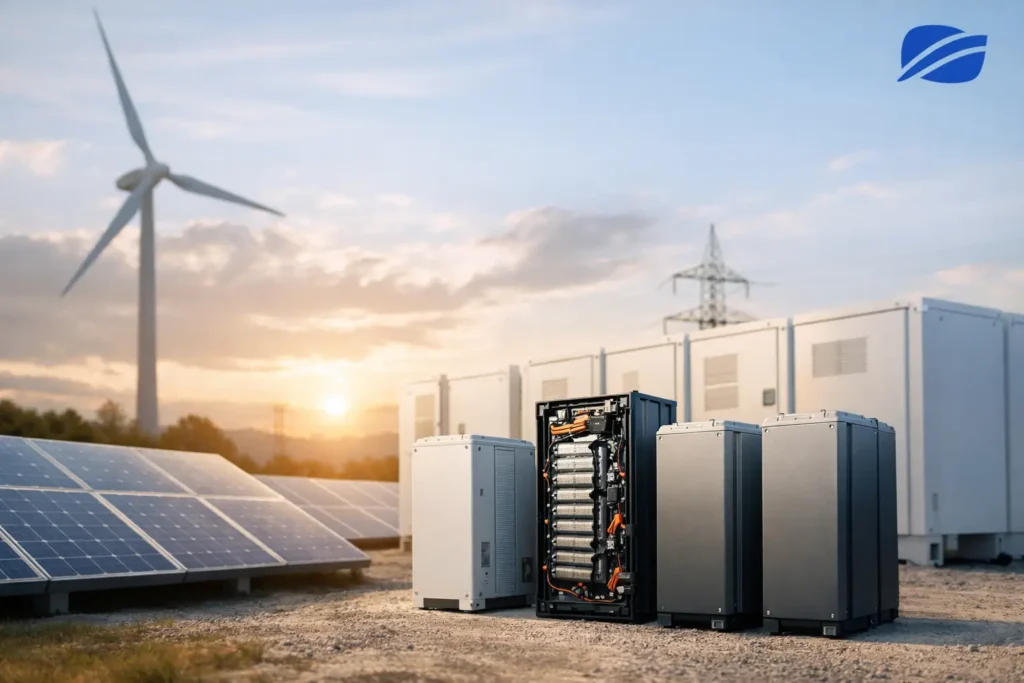
In practice, backup power is rarely a single solution it is a combination of systems with different roles. UPS systems provide immediate continuity without interruption and stabilize power quality. Diesel generators ensure longer autonomy and support higher loads. Battery energy storage systems (BESS) can support critical loads, enable peak shaving, or integrate with solar systems.
The key question is not whether a business needs backup power, but what level of protection is required. An office with a few servers and network equipment does not have the same requirements as a cold storage facility, manufacturing plant, or telecom site. The same applies to autonomy. For some, 10–15 minutes is sufficient to safely shut down systems, while others require hours of uninterrupted operation.
Common Mistakes in System Selection
The first mistake is sizing “just to have something working.” This often leads either to under-dimensioned systems that cannot handle real loads and startup currents, or to oversized investments without actual need. The second mistake is focusing only on purchase price. The cheapest solution often becomes the most expensive when factoring in maintenance, fuel consumption, battery lifespan, downtime losses, and lack of scalability.
The third mistake is treating backup power as separate from the rest of the energy infrastructure. If a facility already has or plans to install solar systems, BESS, HVAC solutions, or specific industrial loads, backup power must be integrated into a broader energy architecture. This is where the difference between buying equipment and engineering a functional system becomes evident.
UPS, Generator, or Battery System
When UPS Is the Right Choice
UPS systems are essential wherever even a millisecond interruption is unacceptable server rooms, data centers, telecom systems, medical equipment, automated production lines, and security systems. Their key advantage is instant response and voltage stabilization. The limitation is autonomy, which depends on battery capacity and operating conditions.
When Generators Are Necessary
Generators are required when operations must continue for hours or days, especially at higher loads. In industry, logistics, construction, and critical infrastructure, they are often indispensable. However, generators are not a replacement for UPS systems in critical applications, as they require time to start and stabilize. In well-designed systems, UPS and generators complement each other.
Where BESS Changes the Approach
Battery storage systems today go far beyond traditional backup. They can provide backup power, reduce peak demand, improve solar utilization, and optimize energy costs. This is especially relevant for companies seeking greater energy independence and control. However, the business case for BESS depends on consumption patterns, tariff structures, and investment goals there is no universal answer.
How the Right Solution Is Defined
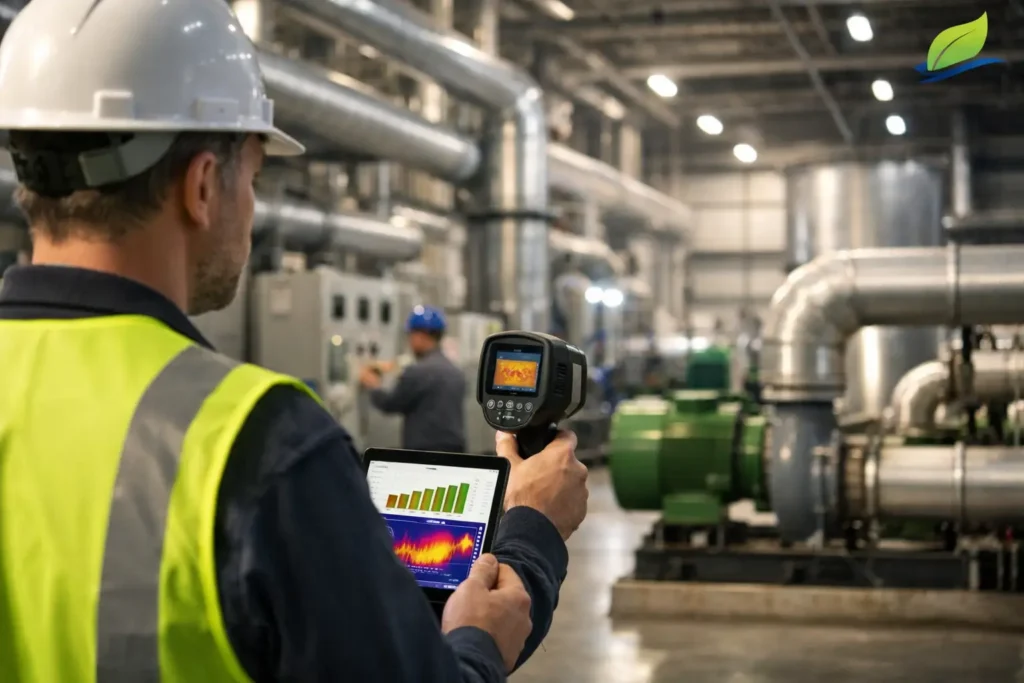
A serious project starts with analysis not a proposal. It is necessary to identify critical loads, their active and apparent power, motor and compressor startup behavior, acceptable interruption time, and required autonomy. Only then can system topology, redundancy level, and switching logic be properly defined.
For some businesses, it is optimal to protect only critical zones IT systems, control systems, emergency lighting, cooling regimes, or fiscal infrastructure. For others, full facility backup is required. The difference in investment can be significant, but so can the consequences of downtime. That is why decisions are based on risk assessment, not assumptions.
Power Is Only Part of the Equation
A common question is: how large should the UPS or generator be? While important, it is not sufficient. Other critical factors include power factor, harmonic distortion, protection selectivity, distribution system quality, environmental conditions, and future scalability.
A system operating today at 70% load may become a bottleneck in two years if the company expands, introduces new production lines, or increases storage capacity. Designing with future growth in mind is essential.
Redundancy Depends on Downtime Cost
Not every business requires N+1 or higher redundancy. However, in environments where even a minute of downtime causes significant financial loss, such configurations are justified. In critical facilities, parallel UPS modules, redundant power paths, ATS logic, monitoring, and preventive maintenance are standard.
If risk is lower, simpler solutions may be sufficient. The goal is not to be over-engineering but achieving the right balance between reliability and cost.
Total Cost of Ownership Matters
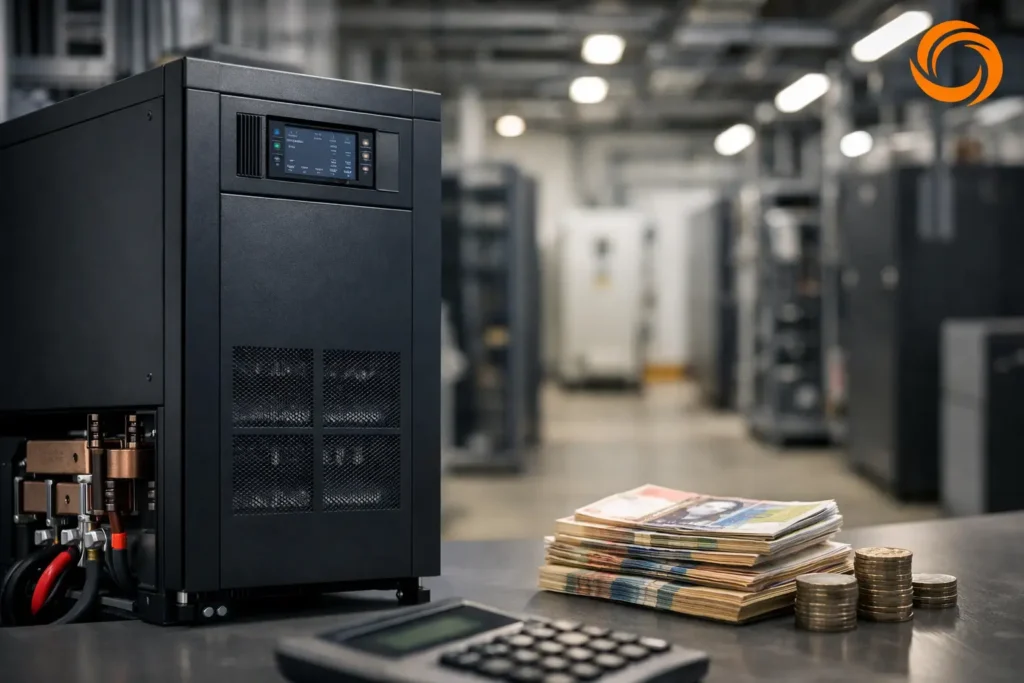
The most expensive system is not always the best, but the cheapest is rarely the most cost-effective. A proper evaluation includes total cost of ownership over the system lifecycle: equipment cost, design, installation, efficiency, maintenance intervals, battery replacement, fuel consumption, remote monitoring, and failure risk.
For example, a higher-efficiency UPS may have a higher upfront cost but lower operating expenses. A poorly sized generator may operate inefficiently, leading to higher fuel consumption and faster wear. A battery system with higher-quality cells and advanced BMS may require a higher initial investment but provide longer lifespan and greater reliability.
This is where the difference between partial procurement and a system-level approach becomes clear.
Integration with Solar and Energy Management
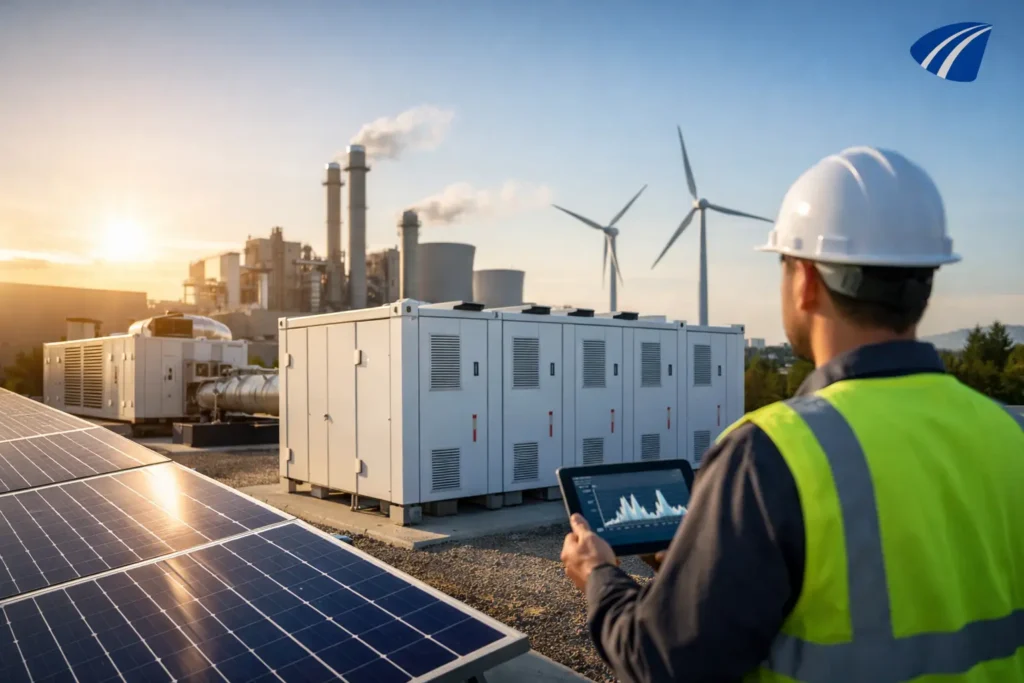
An increasing number of companies in Serbia are evaluating backup power alongside on-site energy production. This is a logical step. When a facility combines solar generation, battery storage, and intelligent energy management, backup systems are no longer just protection against outages they become tools for optimizing energy costs, reducing peak loads, and increasing resilience.
However, such integration requires careful engineering. Components must be aligned in terms of operating mode, load priorities, charging and discharging logic, as well as safety and grid requirements. When properly implemented, the system becomes more than backup, it becomes an actively managed energy infrastructure.
Industries Where Backup Power Is Critical
In manufacturing, backup power directly affects OEE, delivery timelines, and waste reduction. In the food industry, it protects cold chains and product quality. In logistics and retail, it ensures continuity of payment systems, warehouse operations, and loading processes. In telecom and data environments, it is fundamental to service availability.
Construction has a different dynamic, but the same requirement for reliability. On-site operations rely heavily on generators, while permanent facilities increasingly adopt hybrid solutions combining UPS and battery storage. Energy-intensive industries also consider how backup systems fit into broader decarbonization and cost management strategies.
What a Well-Designed Project Looks Like
A strong project does not begin with selecting equipment it begins with identifying what must never stop. This is followed by load measurement, critical point analysis, operational simulation, and technology selection tailored to the facility.
Only after these steps does it make sense to discuss equipment, timelines, and investment. For companies seeking reliable and sustainable solutions, the best results come from working with a single partner responsible for feasibility, design, delivery, installation, and maintenance.
This eliminates fragmented accountability and ensures the system is built as a coherent whole. This integrator approach is why leading companies choose partners who understand power systems, storage, solar integration, and industrial infrastructure.
If you are considering backup power, do not start with products. Start with the cost of downtime for your business, then choose the technology accordingly. When designed on that basis, backup power is no longer a defensive expense, but a strategic tool for safer, more efficient, and more resilient growth.