Why This Shift Is the Real Deal?
Every company that employs seasonal workers knows what that cost looks like: expensive generators, unreliable power, workers complaining about conditions, and logistics that get reinvented every single season. There is a better model. Solar smart containers deliver lower operating costs, faster deployment, and measurably better living conditions for workers — and the investment stays useful for years.
Temporary Housing That Costs Too Much – Every Single Season
The traditional approach has a clear logic: set up units, secure a generator, bridge the season, and move on. The problem is that this model is not cheap — it just defers costs. Fuel, maintenance, generator noise, unstable power, summer overheating, and winter cold. The same problems, the same expenses, the same exhausted workers — season after season.
The average company spends 30–45% more than planned on energy and logistics for temporary worker accommodation. The reason? A system that was never designed to work as a system.
Workers living in poor conditions change employers more often, work less efficiently, and are harder to retain through the full season. That is a direct hit on project productivity and profitability.
What a Solar Smart Container Actually Is
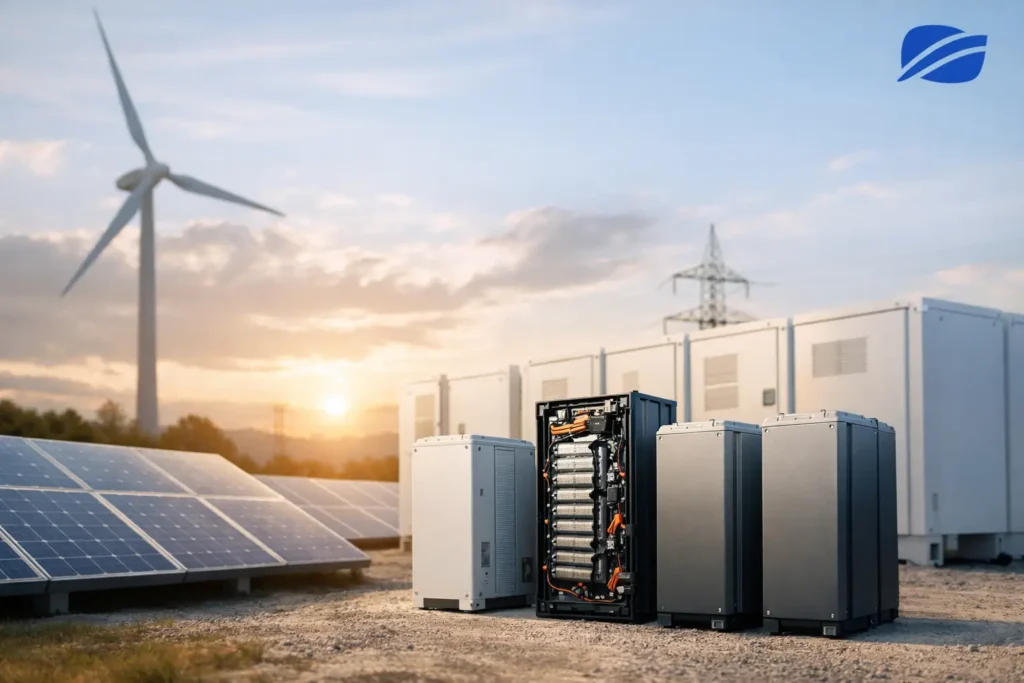
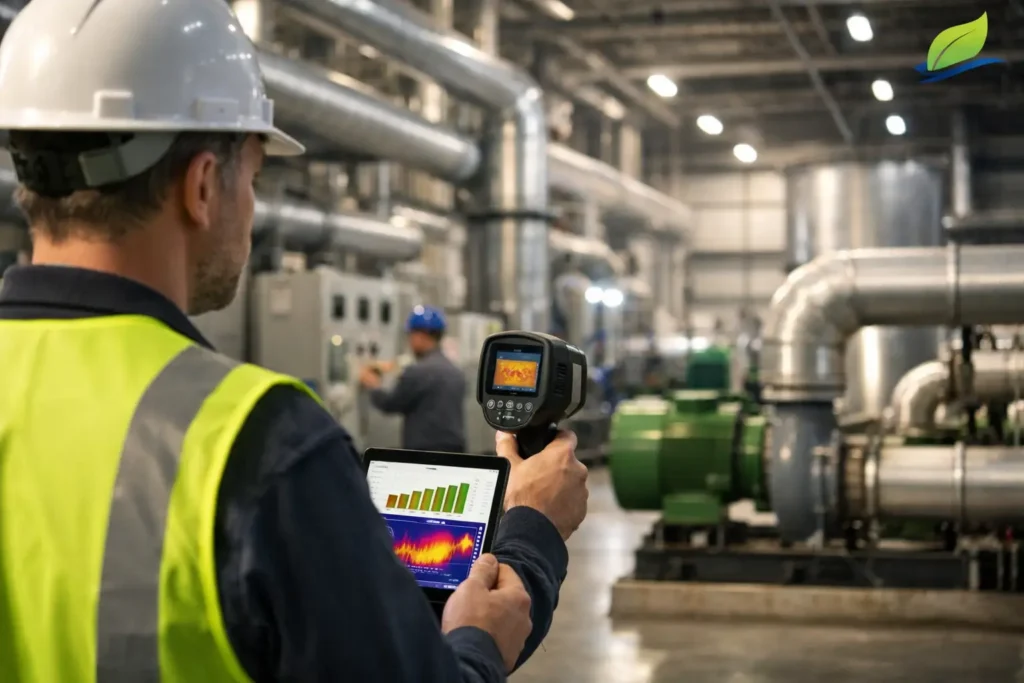
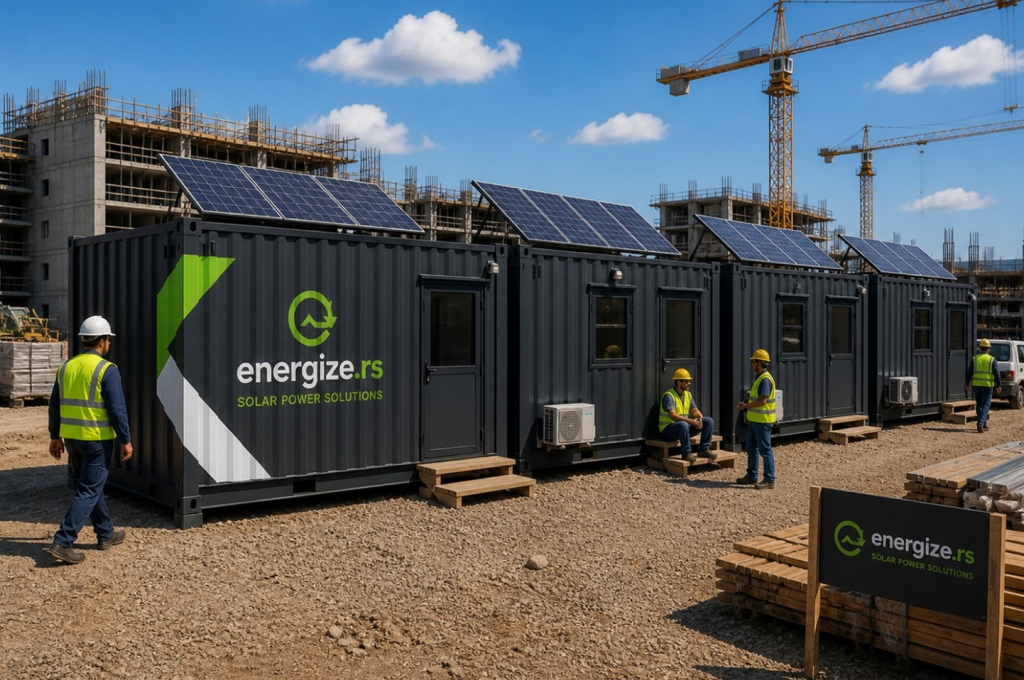
This is not a shipping container with a panel bolted onto the roof. A quality smart modular unit is a factory-engineered structure that integrates everything into one system: serious insulation, airtightness control, efficient ventilation, LED lighting, consumption sensors, remote monitoring, and battery energy storage.
Solar panels are an important part of the picture, but real performance only comes when the entire system works together. When the design is right, the camp consumes less energy because the building envelope is properly insulated, it provides workers with stable temperatures, clean shared spaces, and digital connectivity. It operates reliably without diesel generators and without noisy overnight interruptions, and can also be set up within days and relocated when the project moves to a new site.
This is not an experiment. It is infrastructure that functions as a whole — and delivers measurable results from the very first season.
Why This Makes Financial Sense
The biggest mistake in evaluating this model is looking only at the upfront cost per square meter. The real measure is total cost across multiple seasons. That is where solar-powered accommodation consistently wins.
Units arrive ready to use, installation takes less time, there is no generator fuel bill, and every subsequent season runs more smoothly because the same infrastructure is already in place.
For remote locations — mining, forestry, food processing, tourism — savings on fuel and servicing can be dramatic. If the workforce grows, the camp scales in phases. If the project relocates, the modules go with it. The investment does not become a sunk cost — it becomes a reusable asset.
In sectors like agriculture, construction, and agro-industry, where the need for accommodation is intense but not tied to a single location forever, this model fundamentally changes the investment logic.
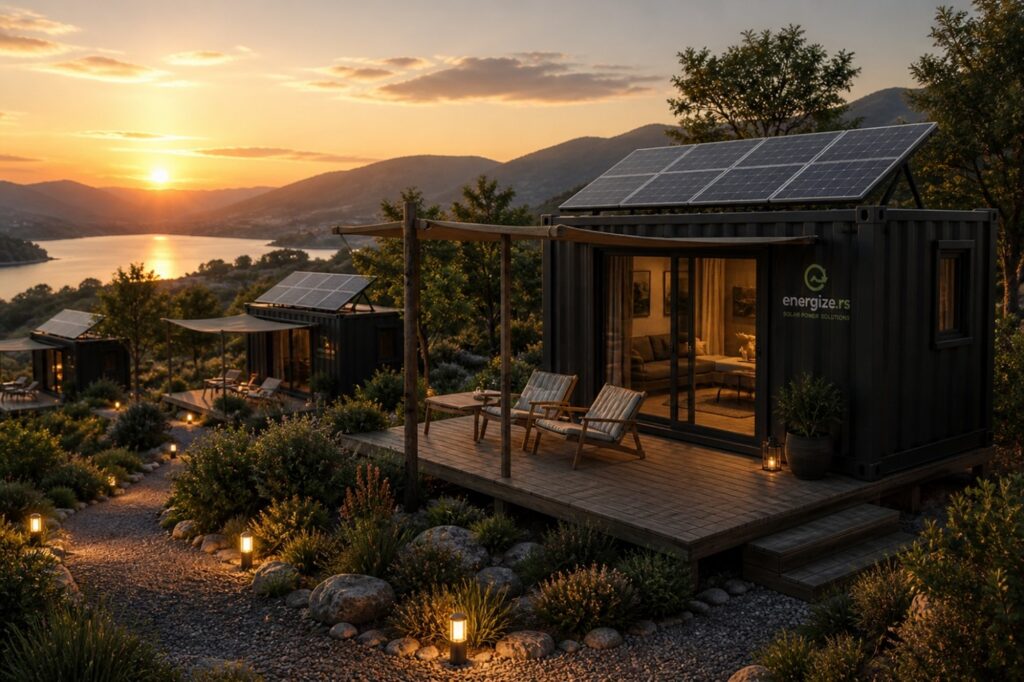
Solar container configured for tourist accommodation — comfort, aesthetics, and energy efficiency in one unit
Why This Model Is Especially Relevant Right Now
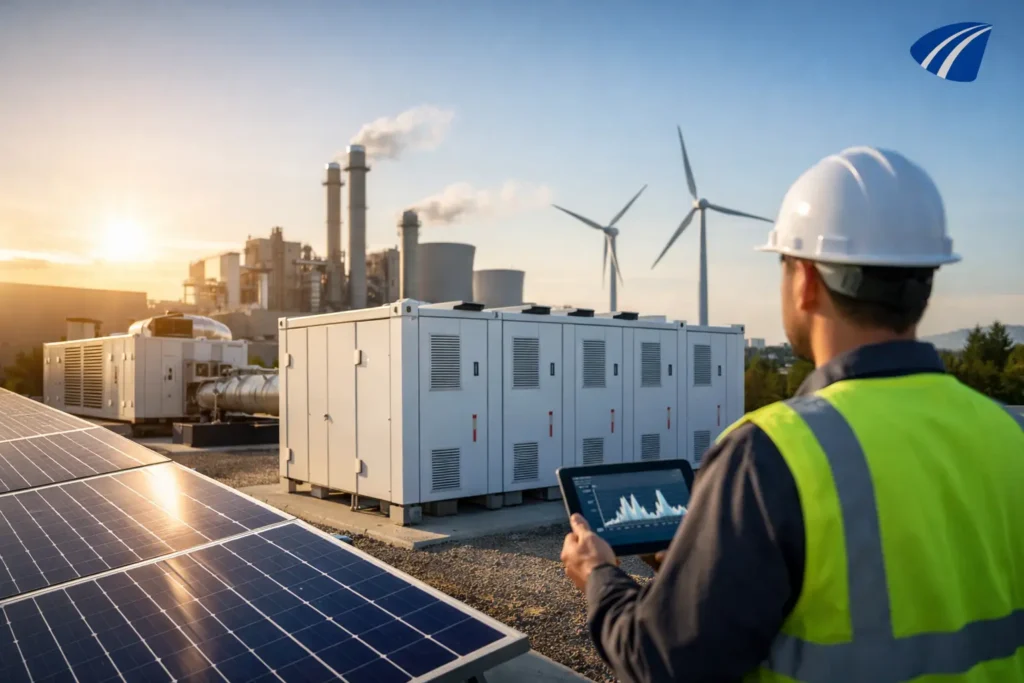
Many regions enjoy high annual sunshine hours, rising energy prices, and growing investor pressure to demonstrate genuine sustainability — not just a green slogan. Solar-powered accommodation offers tangible proof: less dependence on generators, a smaller carbon footprint, and a clearer narrative around quality of conditions.
Solutions must, of course, be adapted to local climate realities. Heating can be just as critical as cooling. A well-designed model combines solar, battery storage, a high-quality building envelope, efficient heat pumps, and carefully engineered sanitary modules. The goal is a camp that genuinely functions from April through October — and beyond peak season when needed.
What to Look for Before You Sign a Contract
A real smart container stands apart from the marketing brochure in fine details. Here is what every informed investor must verify:
What is the insulation specification and how is airtightness managed?
Is battery storage included and how autonomous is the system?
Can module performance be monitored remotely and how fast is servicing?
What happens to the units when the project changes location?
What are the shared spaces like — laundry, rest areas, internet access?
You are not buying a container. You are buying an accommodation model that combines comfort, operational discipline, and sound energy logic.
A Decision Measured in Seasons, Not Months
Solar smart containers are not a magic solution for every project. But for companies that want lower operational stress, stronger worker retention, and a credible sustainability story, this is an investment that pays back many times over. Workers get better living conditions. Management gets less chaos. The investor gets an asset that can be relocated, expanded, and used across multiple seasons.
For the workers themselves, it means something even more important: temporary accommodation that does not look or feel temporary. A place where it is possible to live normally — not just survive the season.