Electricity costs are no longer just an operational expense. For manufacturing facilities, logistics centers, cold storage warehouses, data centers, and telecommunications systems, they have become a direct matter of business continuity, capacity planning, and risk management. This is precisely why battery energy storage has become one of the most important topics for companies seeking more reliable power supply, lower peak demand costs, and greater energy independence.
Energy storage was once viewed as an expensive addition to renewable energy systems. Today, the situation is different. Rising electricity prices, more pronounced demand peaks, the need for reliable power, and the growing adoption of solar power plants have transformed battery storage into a practical infrastructure tool. For serious commercial and industrial users, the question is no longer whether storage makes sense, but where it creates the greatest value and how it should be properly sized.
What Battery Energy Storage Means Today
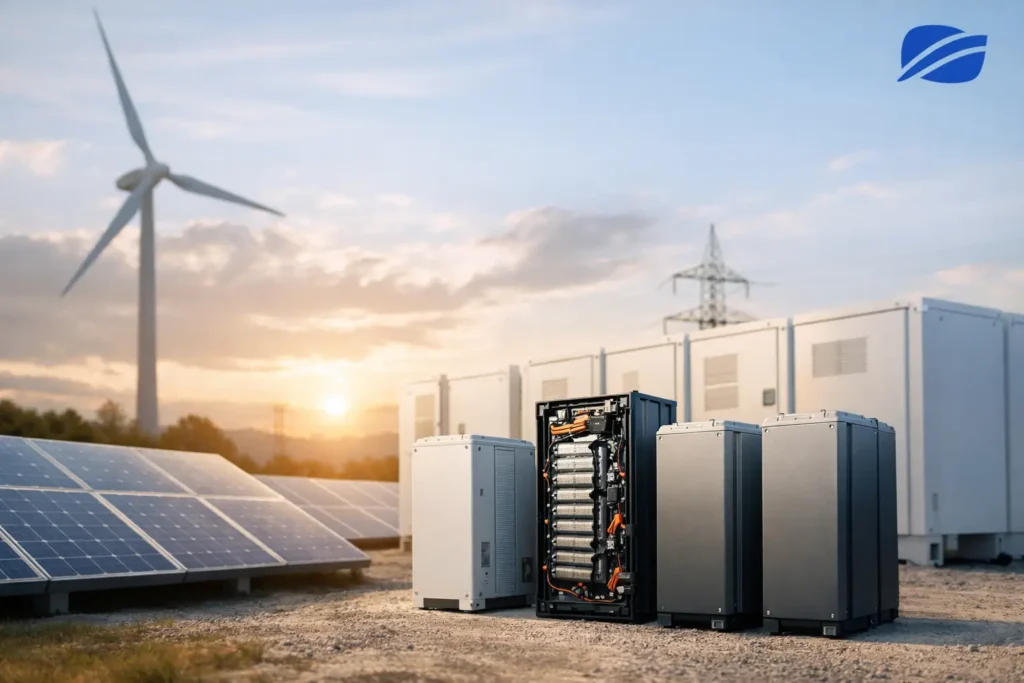
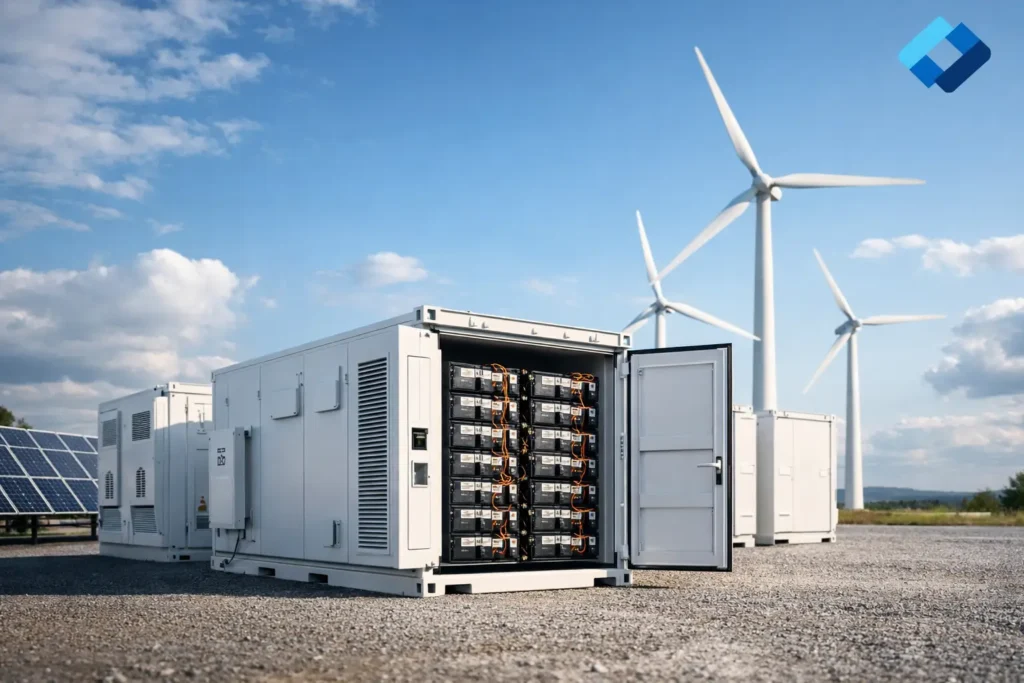
When discussing battery energy storage in industry, we are not talking about batteries alone. We are referring to a complete energy system that includes cells, battery modules, battery management systems (BMS), inverters, energy management systems (EMS), protection equipment, climate control, fire suppression systems, and an operational logic aligned with the actual consumption profile of the facility.
This distinction is important. In an industrial environment, simply installing a certain storage capacity in kilowatt-hours is not enough to guarantee results. The real impact depends on when energy is stored, when it is discharged, how the system responds during peak demand periods, whether it operates alongside a solar power plant, and how it integrates into the facility’s existing electrical infrastructure.
That is why a storage project is, above all, an engineering challenge. The best system is not necessarily the largest one. The best system is the one that matches the production process, operational schedule, critical loads, and financial objectives of the investor.
Where Battery Storage Delivers the Greatest Value
Battery storage creates the most value where the cost of power interruptions is high or where the consumption profile is unfavorable. In manufacturing, this often means reducing peak demand and relieving grid stress when multiple production lines operate simultaneously. In the food industry and cold chain operations, an additional benefit is the protection of critical processes. In logistics and distribution facilities, storage can stabilize energy consumption and improve the utilization of solar energy generated during the day.
For data centers, telecommunications, and critical infrastructure, battery storage plays an even broader role. It is not only a cost-saving tool but also a fundamental component of reliability architecture. In these environments, even a few seconds or minutes of power instability can cost far more than the electricity itself. Here, storage systems are designed to support operational continuity, power quality, and coordination with UPS systems, backup generators, and redundant power supply branches.
For renewable energy investors, storage increases the usability of generated energy. Solar systems without storage often produce the most energy when consumption is not at its peak. With battery storage, a portion of that energy can be retained and used later when it delivers greater value to the user.
The Business Case Is Different for Every Company
One of the most common misconceptions is the expectation that every battery storage system must generate value through the same business model. This is not the case. For some companies, the primary objective is peak shaving. For others, it is increasing self-consumption from a solar power plant. For a third group, it is providing backup power for critical processes. In some cases, a single project can address all three objectives simultaneously, but that is not always the rule.
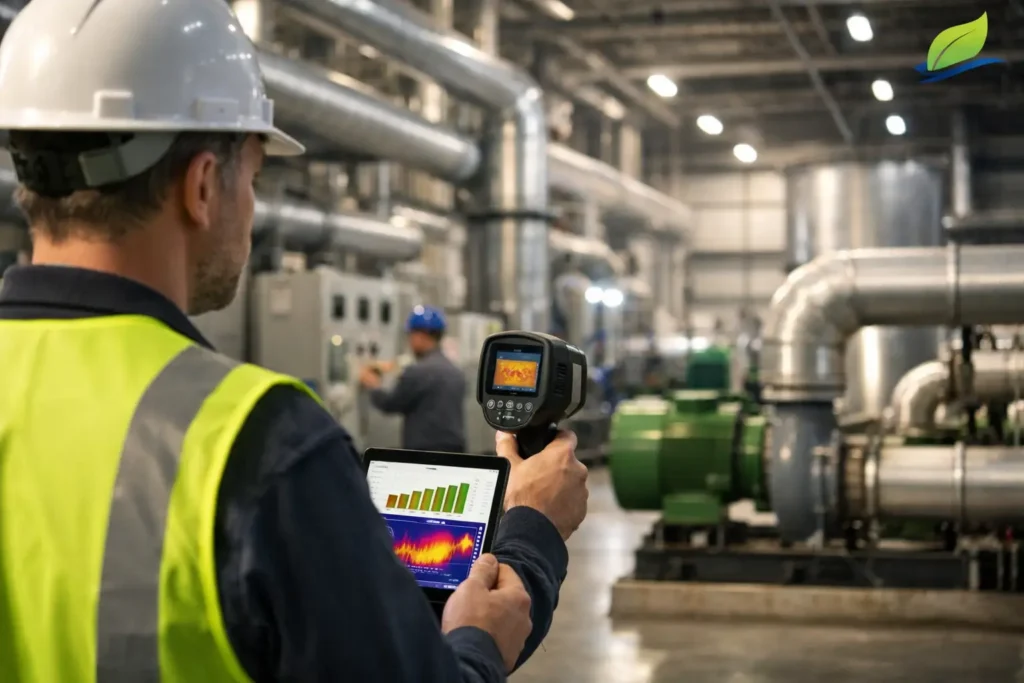
That is why a serious analysis always starts with data. Historical consumption records, fifteen-minute load profiles, operating schedules, production expansion plans, and system-critical points are essential inputs. Only after this analysis does it make sense to discuss capacity, power output, cycle life, expected service life, and return on investment.
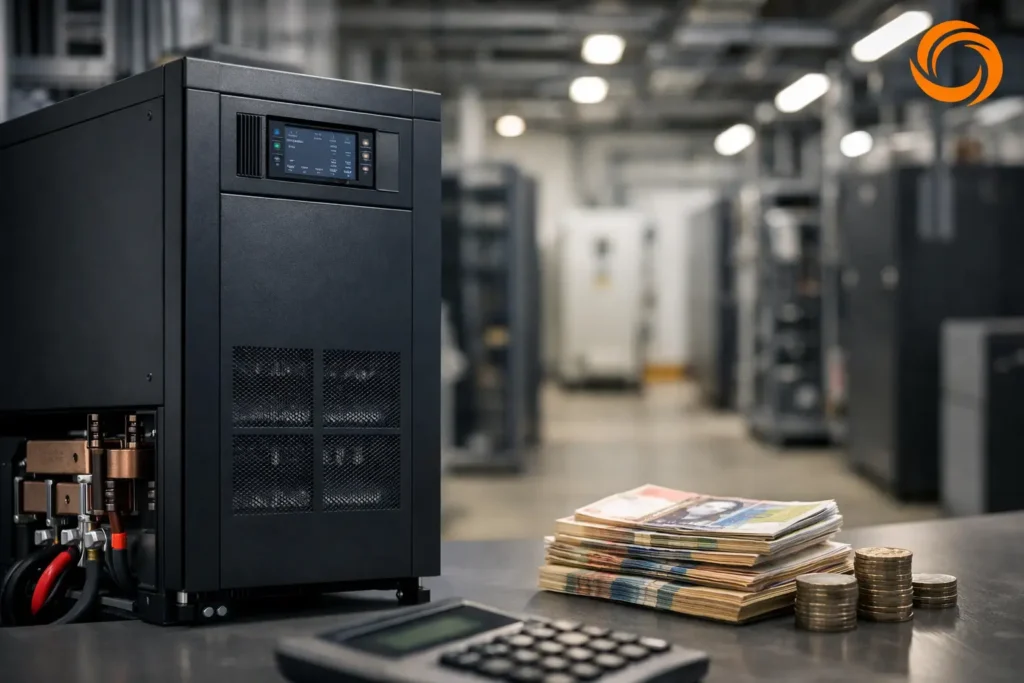
This is where a total cost of ownership (TCO) approach becomes crucial. The initial purchase price is important, but it is not enough to support a sound investment decision. Far more important factors include battery degradation over time, charging and discharging efficiency, service availability, software quality, warranty conditions, and compatibility with existing infrastructure. A cheaper system that loses capacity faster or requires more expensive interventions often becomes the more costly option in the long run.
Solar and Storage: The Most Powerful Combination When Properly Designed
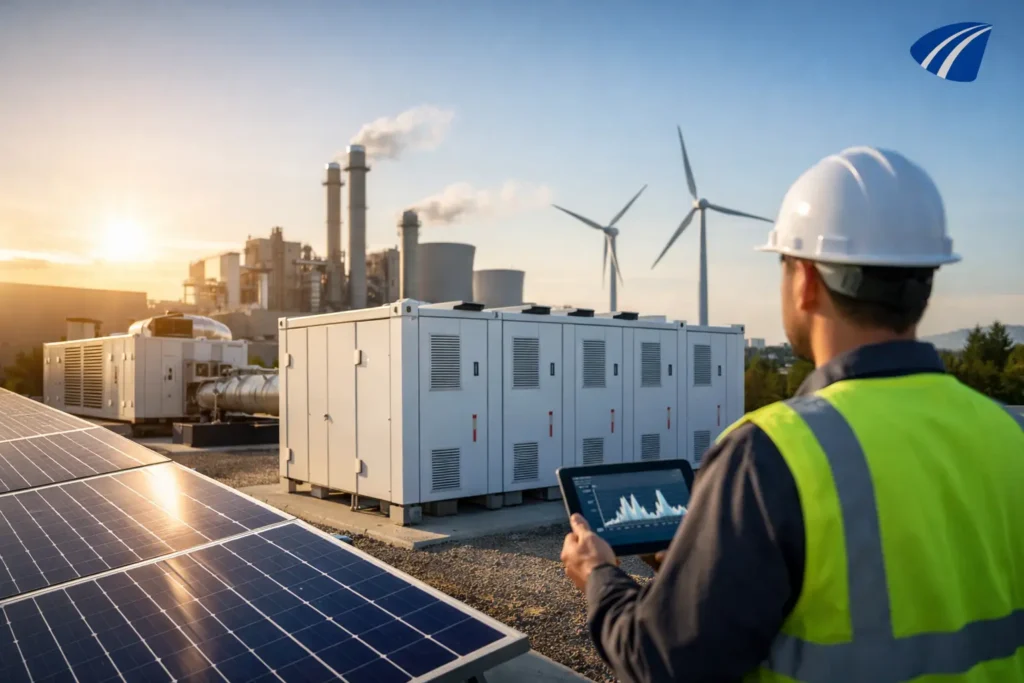
The greatest practical benefits are achieved when solar power and battery storage are viewed as a single integrated energy system. In this scenario, the battery does not operate independently but serves as a tool for optimizing the entire investment. Excess solar production can be stored for later use, while peak demand can be reduced without placing additional strain on the grid.
However, this combination requires precise engineering. If the solar power plant is oversized relative to the facility’s consumption profile while the battery is undersized, a significant portion of the potential value remains untapped. Conversely, if the battery is oversized for the number of useful cycles it can realistically perform, the investment becomes unnecessarily expensive. The optimal solution does not come from a catalog—it comes from a detailed analysis of the facility.
This is why companies seeking long-term results increasingly choose integrators capable of delivering feasibility studies, engineering design, installation, commissioning, and maintenance as a unified service. When solar, storage, UPS systems, HVAC, and power management solutions are coordinated from the beginning, the risk of technical compromises and fragmented responsibility is significantly reduced.
Technical Criteria That Should Never Be Overlooked
In industrial projects, poor technical decisions are not always visible on day one. Problems may only become apparent during the first major load event, summer temperature peaks, or grid disturbances. That is why the key performance criteria extend far beyond storage capacity alone.
System power output must be matched to the actual dynamics of consumption rather than average values. Factors such as C-rate, depth of discharge, projected cycle count, operating temperature, and cooling strategy directly affect performance and service life. Protection levels, selectivity, fire safety, communication with monitoring systems, and compliance with applicable standards are equally important.
Particular attention should be given to the energy management software. In many cases, the EMS is what separates average performance from exceptional results. A well-designed management layer knows when to charge the battery, when to preserve capacity, when to reduce grid demand, and how to respond to changing tariffs, solar production fluctuations, and priority loads. Without this intelligence, even high-quality hardware may never reach its full potential.
Battery Storage and Risk Management
Parts of the market still tend to view battery storage solely as a cost-saving instrument. This perspective is too narrow. For many companies, its real value lies in risk management. If a business depends on stable production processes, controlled temperature environments, server availability, or uninterrupted operation of critical equipment, every power disturbance carries a cost that can far exceed the monthly electricity bill.
For this reason, investments in battery storage are often evaluated through avoided losses rather than direct energy savings alone. This is particularly relevant in sectors where downtime, equipment failure, product spoilage, or service interruptions create significant financial consequences. In such cases, storage is not merely an energy solution—it is a business continuity solution.
Of course, not every facility requires the same type of system. Some sites need only load shifting and peak demand reduction. Others require a hybrid architecture that combines battery storage, UPS support, and backup generators. In some cases, maximizing solar self-consumption is the primary objective. The right answer always depends on the facility, the operational process, and the investment goals.
What a Good Investment Decision Looks Like
A successful storage project does not begin with the selection of a battery technology. It begins with a clear business objective. Do you want to reduce peak demand charges, increase energy independence, protect production from outages, or prepare your facility for future growth in energy consumption? Once the objective is clearly defined, the technical solution becomes significantly more rational and cost-effective.
The next step is a feasibility assessment. This should include an energy analysis, evaluation of existing infrastructure, operating strategy, investment framework, and expected payback period. Only then does it make sense to focus on equipment specifications, system configuration, and implementation phases.
For serious industrial and commercial users, it is particularly important to work with a partner capable of taking responsibility for the entire project. This is where Energize builds its position—through an engineering-driven approach, integration of multiple energy subsystems, and the delivery of solutions that go beyond equipment supply to achieve measurable results at the customer’s site.
In the years ahead, the market will increasingly distinguish between those who purchase individual components and those who build comprehensive energy strategies. Battery storage belongs to the latter category. If you are planning a new solar power plant, expanding your facility, or protecting critical loads, the right question is not how much a battery costs, but how much value a system can create by giving your company control when energy is most expensive and most critical.