Energy resilience for business, backup when the power drops, a lower bill when electricity is most expensive
For many companies, electricity is a quiet assumption, until it fails. Then it turns out the math has two weak points we rarely look at together: a grid that isn’t reliable enough, and a grid that keeps getting more expensive. The first stops production at the worst possible moment; the second quietly takes a slice of the margin every month.
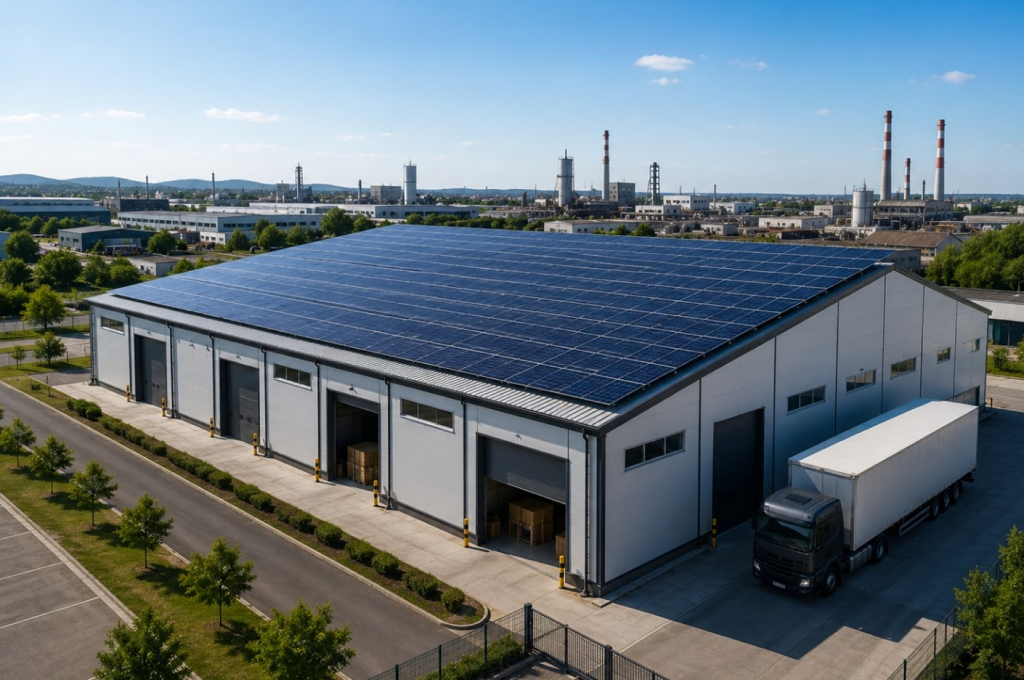
At the edge of the network, in industrial zones and rural locations, voltage dips and outages are not rare. At the same time, rising prices and peak-demand tariffs mean you pay differently for the same kilowatt-hours, and most of all exactly when you need them most. Energy resilience answers both problems, and it need not mean a new power line or a long administrative procedure.
Two problems, one consequence
A weak grid and an expensive grid look like different topics, but they hit the same place, the stability of the business. Every outage means a stopped process, spoiled goods in the cold chain, an interrupted shift and the cost of restarting. Every consumption peak on an expensive tariff means a bill larger than it needs to be, even though the amount of energy used hasn’t changed.
The classic response, a standby diesel generator and “putting up with” high bills, solves half the problem, and does so expensively. The generator covers the outage but sits silent while the grid works, and changes nothing on the bill. There is a solution that works in both directions.
What backup really means
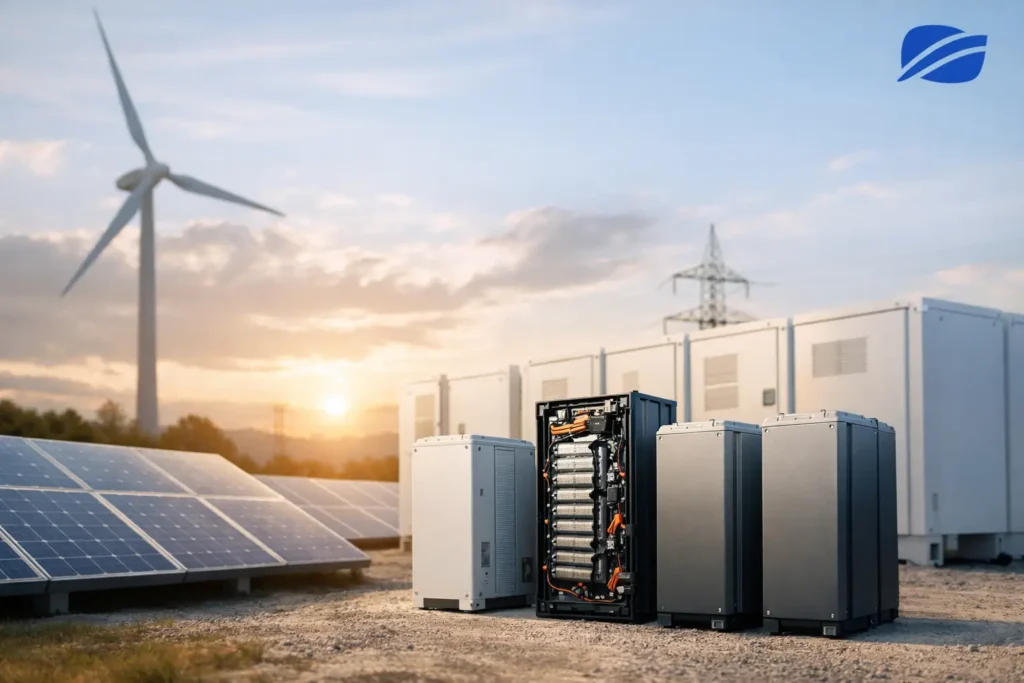
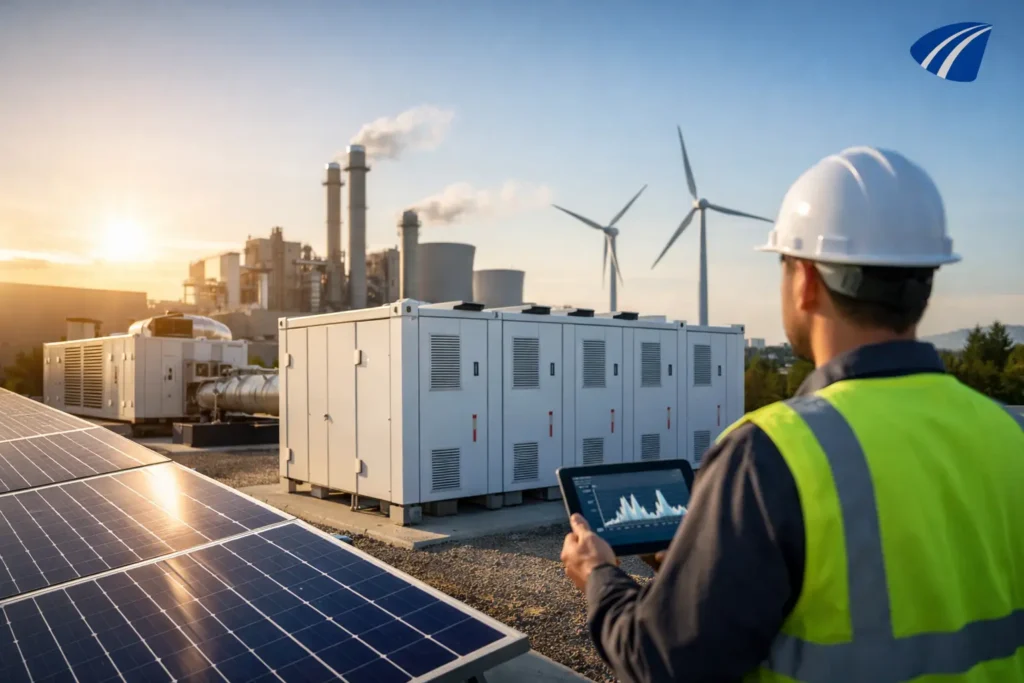
Energy resilience rests on a combination of solar generation, battery storage and smart power management. When the grid drops, the battery takes over with no interruption that would halt critical processes, quietly, automatically and without fuel. For cold stores, production lines, servers or medical equipment, the difference between “a second without power” and “not a single second without power” is directly a difference in cost.
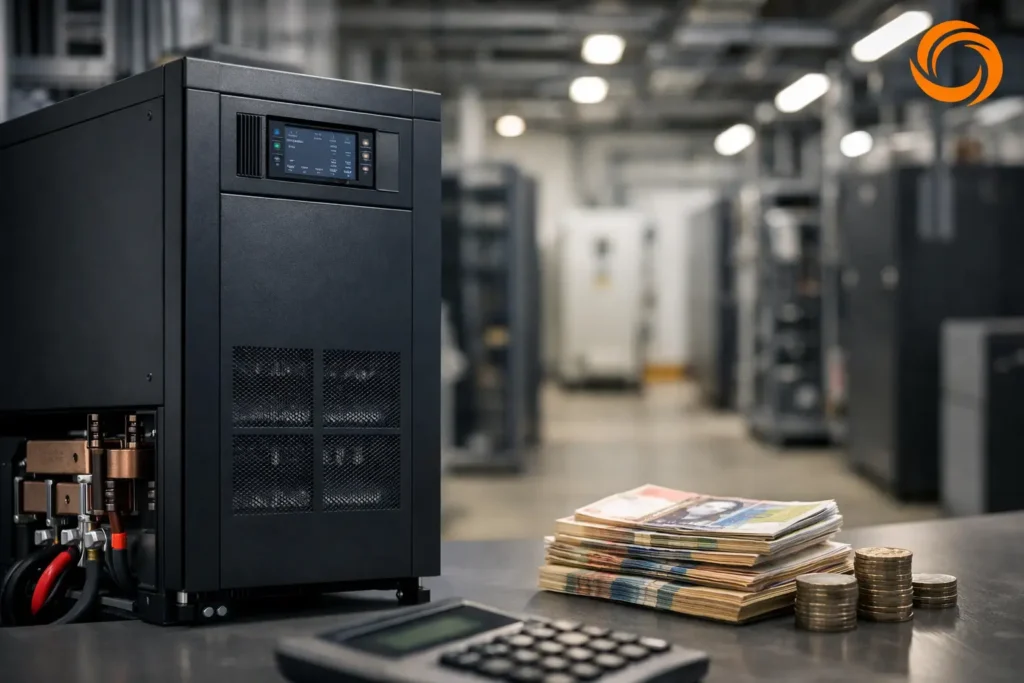
It’s worth comparing the real numbers: the cost of one longer outage, stopped production, discarded goods, missed deadlines, restarting, is often greater than the annual cost of the protection that prevents the outage in the first place.
Peak-shaving: a lower bill for the same consumption
The second direction is financial. In the hours when electricity is most expensive, the system draws from the battery instead of the grid, and the battery recharges from the sun and during cheaper periods. This “shaves” the costliest peak, so the bill falls even though total consumption is the same. On top of that, energy produced on site reduces how much is drawn from the grid at all. Instead of paying the most exactly when you need it most, the cost is levelled out.
Why a modular solution
TerraCell integrates generation, storage and energy management in a compact, transportable system that is sized to the site and extended as needs grow. It requires no major construction, waits for no grid reinforcement or new connection capacity, and can be relocated if the business moves. Where strengthening the grid would be slow or expensive, this is a path that can be set up within a realistic timeframe.
The financial logic
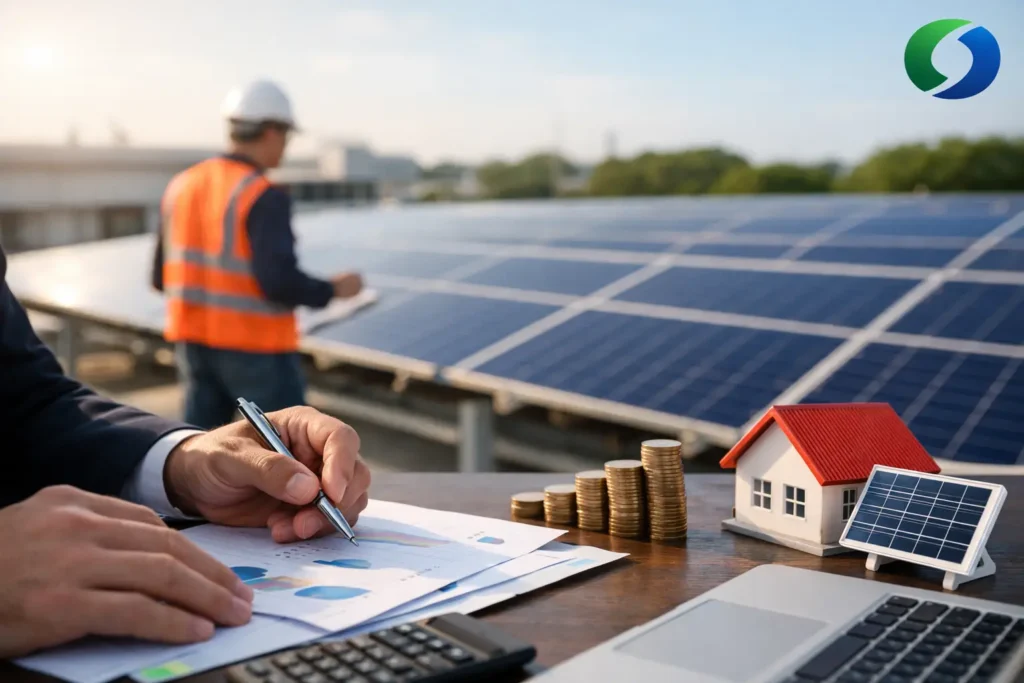
Investing in resilience shouldn’t be compared with “doing nothing”, but with the real cost of the current situation: the outages and expensive tariffs that recur year after year. Backup prevents losses, while peak-shaving and on-site generation deliver savings every month, so the system pays back across its working life, which is measured in decades. The cost is therefore assessed across the whole period of use, not by the initial price alone.
Which companies benefit most
The biggest gains go to companies with processes that must not stop, cold chain, food, manufacturing, IT and data systems, healthcare, as well as those on sites with a weak grid or with pronounced peak loads and high bills. For exporters and companies under ESG pressure, on-site renewable energy is also an added argument with customers and banks. The question is usually not whether it pays off, but how much another year without resilience costs.
| If an unreliable grid or an excessive electricity bill is holding your company back, it’s worth seeing the real savings and how quickly the investment pays back, before you pay for another expensive year. TerraCell combines generation, storage and smart energy management: it takes over when the grid drops and cuts consumption when electricity is most expensive. Schedule your free feasibility study: nevena.milenkovic@energize.rs |