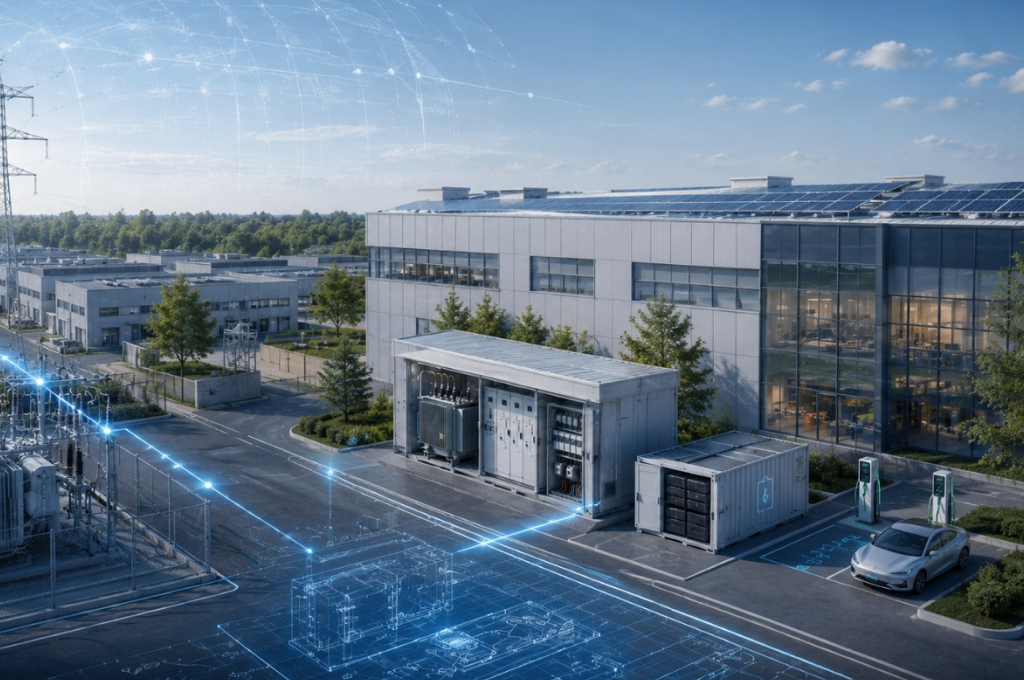
Many companies operate for years connected to the low-voltage network through a distribution transformer substation. They only begin considering their own substation when the distribution system operator informs them that no additional capacity is available for a planned expansion.
However, the decision to own a transformer substation is not merely a technical one. It also changes the way electricity is billed.
Customers connected at medium voltage, with their own transformer substation and metering on the medium-voltage side, fall into a different tariff category from customers connected at low voltage.
The charges per kilowatt-hour and per kilowatt of approved capacity are lower because the customer bears the costs of voltage transformation and the associated losses. For companies with higher electricity consumption, the annual difference is far from negligible and is often the main economic argument in favour of owning a substation.
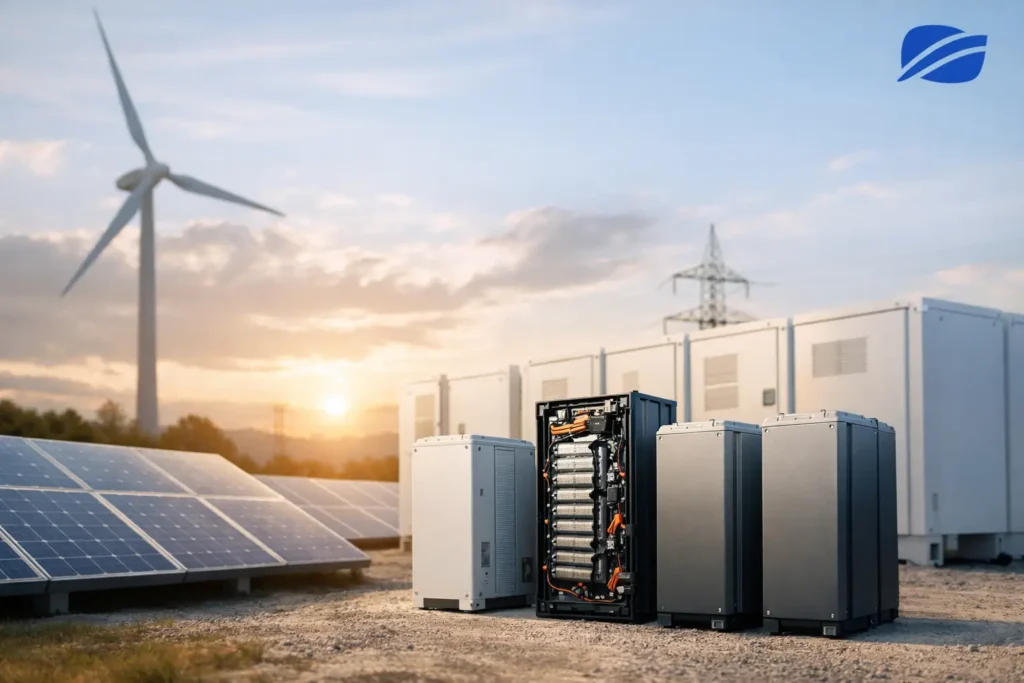
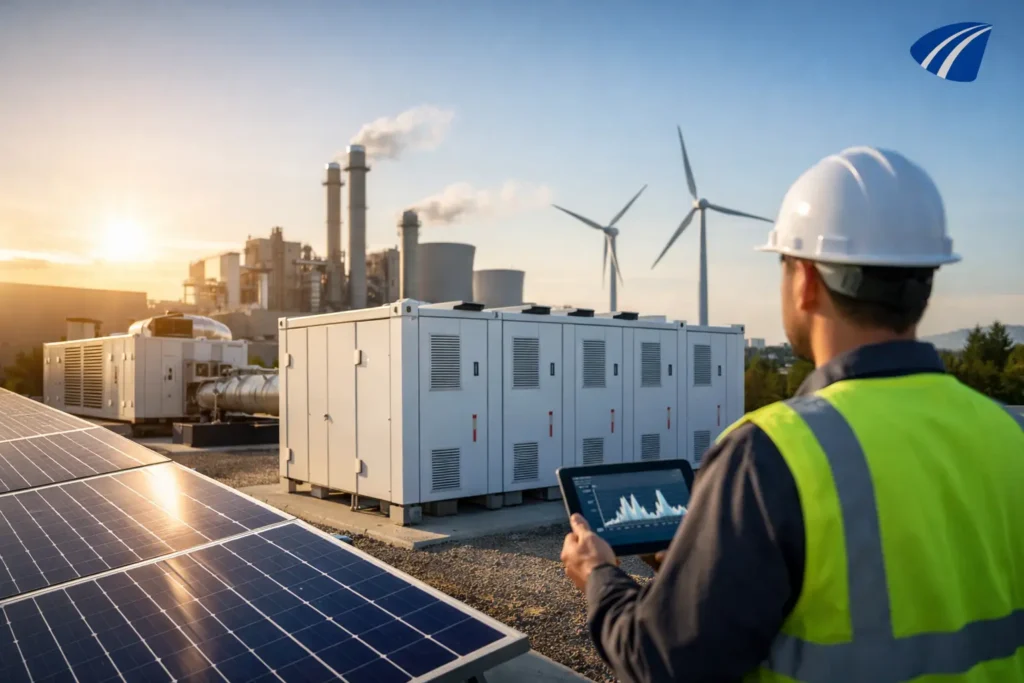
With its own transformer substation, a company gains greater control: capacity sized according to its actual requirements, the option to expand, sufficient infrastructure for a solar power plant, battery energy storage system or fast EV chargers, and independence from the remaining capacity in a distribution substation shared with neighbouring consumers.
Voltage quality is also generally more stable because there are no other consumers connected to the same transformer.
On the other hand, ownership also brings responsibilities.
The substation owner is responsible for maintenance, periodic inspections and testing, trained personnel or a service contract with a qualified company, and every intervention required in the event of a fault.
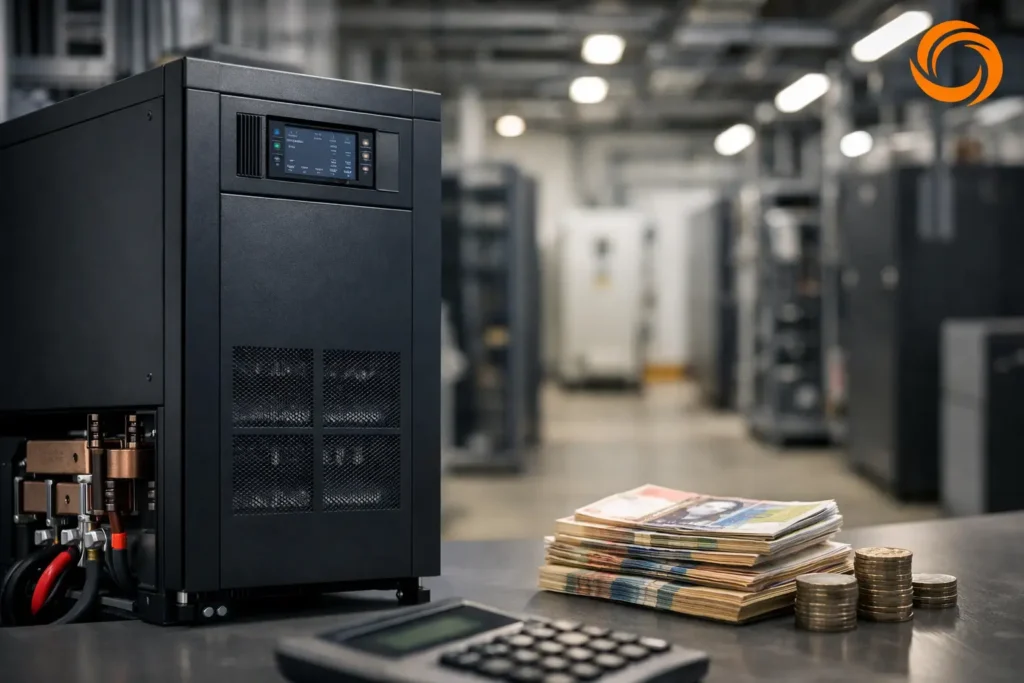
Voltage transformation also involves energy losses, which the owner pays for through the electricity supplied. The investment in the substation is therefore a capital expenditure that must be assessed against tariff savings and the value of improved security of supply.
The pattern observed in practice is fairly consistent.
An owned transformer substation makes the most sense for companies with high and growing electricity consumption, production facilities where power quality and availability directly affect operations, and businesses planning to install solar generation, energy storage or electric fleet charging.
All these applications require connection capacity that is often unavailable in a third-party distribution substation.
For a company with low and stable electricity consumption and no plans for future expansion, remaining connected to the low-voltage network may still be the more rational option.
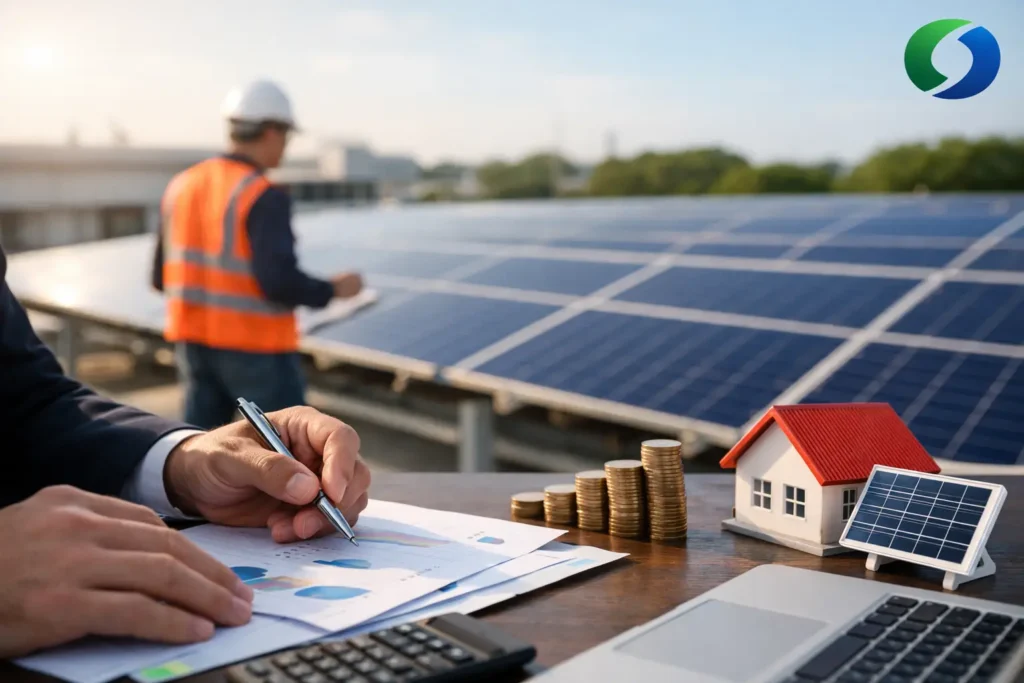
The decision should not be based on assumptions, but on three figures: the cost of construction and connection, the annual difference in tariffs and operating costs, and the value of the additional capacity made available for future development.
Once these three figures are put on paper, the payback period becomes clear and the decision is no longer a matter of uncertainty.
Experience shows that companies which invest in their own transformer substation rarely regret the decision. However, some do regret sizing it only according to their current electricity consumption.