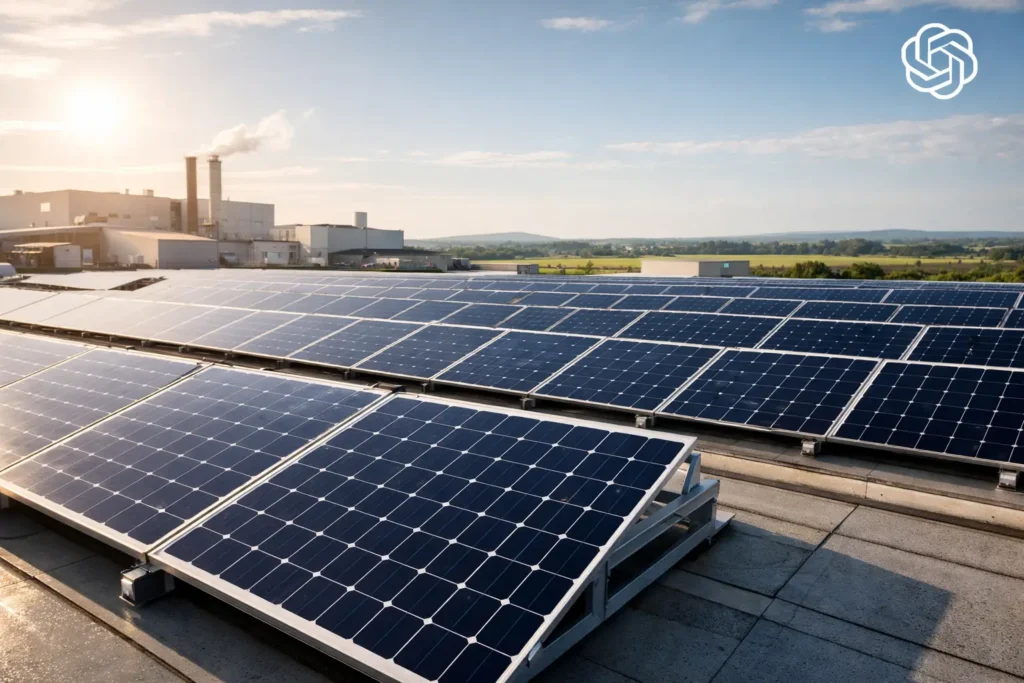
When the electricity bill becomes a line item that directly impacts margins, industrial solar panels are no longer a “someday” topic. For manufacturing plants, cold storage facilities, distribution centers, farms, telecom sites, and logistics complexes, they are a tool for cost control, operational stability, and smarter energy management.
The reason is simple. Industry no longer buys just kilowatt-hours it buys predictability, continuity, and protection against market volatility. That is why investing in solar is not about the price of equipment, but about total cost of ownership, system reliability, and the partner’s ability to deliver a project without compromise.
Where industrial solar panels create the most value
The greatest impact is achieved where there is high daytime consumption and a clear load profile. This includes facilities operating in one or multiple shifts, buildings with continuous ventilation and cooling, food production, processing plants, refrigerated warehouses, and companies with large rooftop or ground-mounted potential.
In such systems, solar generation naturally aligns with daytime consumption. Energy produced on-site is immediately used internally, reducing reliance on the grid. The financial effect is strongest when the most expensive portion of energy is replaced with self-generated power.
However, not all locations are the same. Two factories with similar roof areas can have completely different investment potential. Structural capacity, available grid connection, hourly consumption profile, shading, existing electrical infrastructure, and expansion plans all make a difference. That is why a serious project always starts with analysis not with a price per panel.
How investment feasibility is evaluated
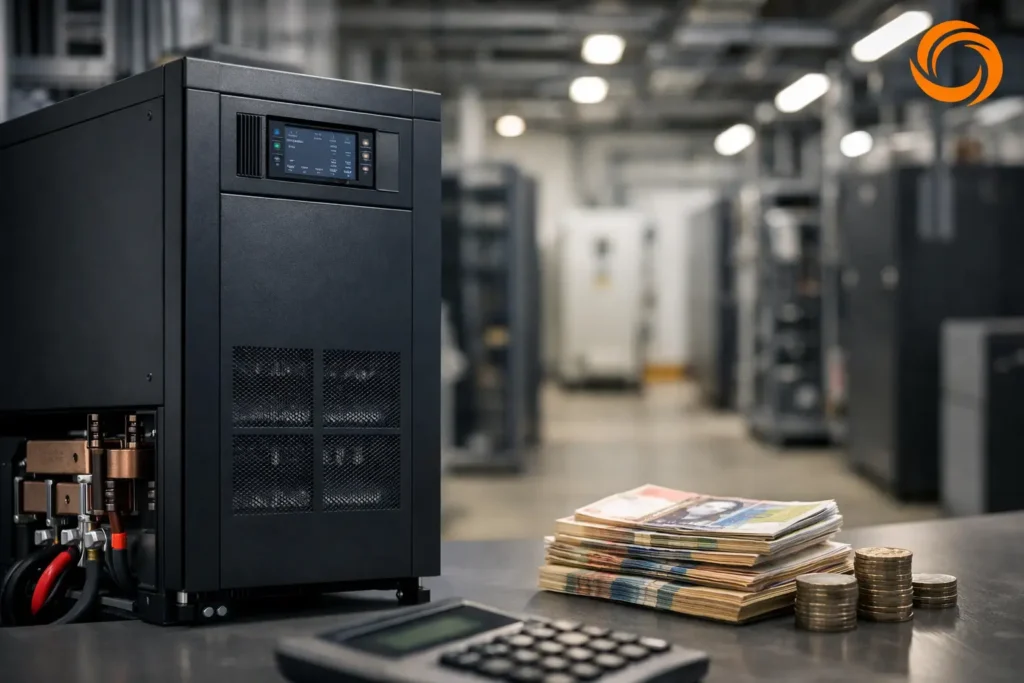
One of the most common mistakes is evaluating projects based on the cost per installed kilowatt. For industrial users, this is not enough.
A more relevant question is: what is the expected annual yield, what share of energy will be self-consumed, and how does the system perform over its full lifecycle?
This is where the TCO approach becomes essential. Industrial solar panels make sense when project cost is evaluated against long-term energy production, maintenance costs, equipment degradation, warranties, expected downtime, and integration quality with existing energy systems.
Lower-cost equipment can easily become the more expensive option if it delivers lower yield, requires more interventions, or has a shorter lifespan.
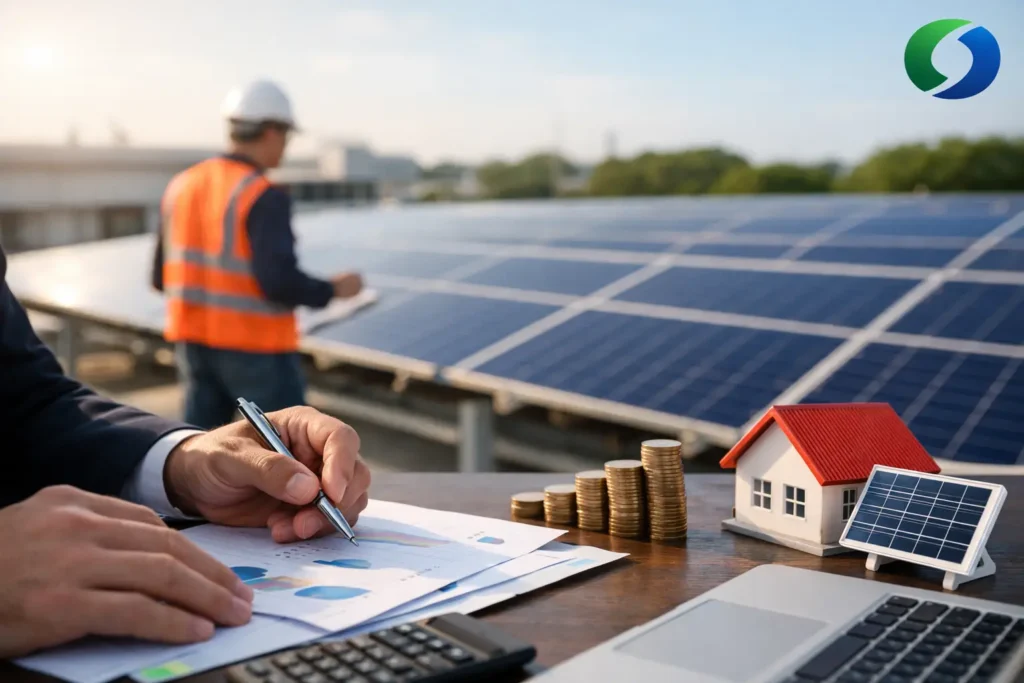
Return on investment depends on several factors: electricity price, consumption profile, system size, grid connection conditions, and financing model. In practice, well-designed systems can significantly reduce energy costs from day one but accurate projections must be based on real site data.
Industrial solar panels are not just panels
When management evaluates solar, the focus often remains on modules. In reality, panels are only one part of the system.
Inverters, mounting structures, cabling, protection systems, monitoring, grid connection, metering logic, and regulatory compliance are equally important.
For industrial users, an additional layer of complexity comes from integration into existing operations. The solar system must align with production processes, internal distribution networks, backup power systems, and increasingly, battery storage.
This is where the difference between equipment procurement and engineering becomes clear. If a solar plant is not properly integrated with UPS systems, generators, BESS, or HVAC loads, the company may end up with a system that exists technically but does not deliver business value.
When to combine solar with battery storage
Not every industrial user needs storage, but in many cases batteries significantly improve both functionality and project economics.
This is particularly true for facilities with peak demand, sensitive processes, or high continuity requirements.
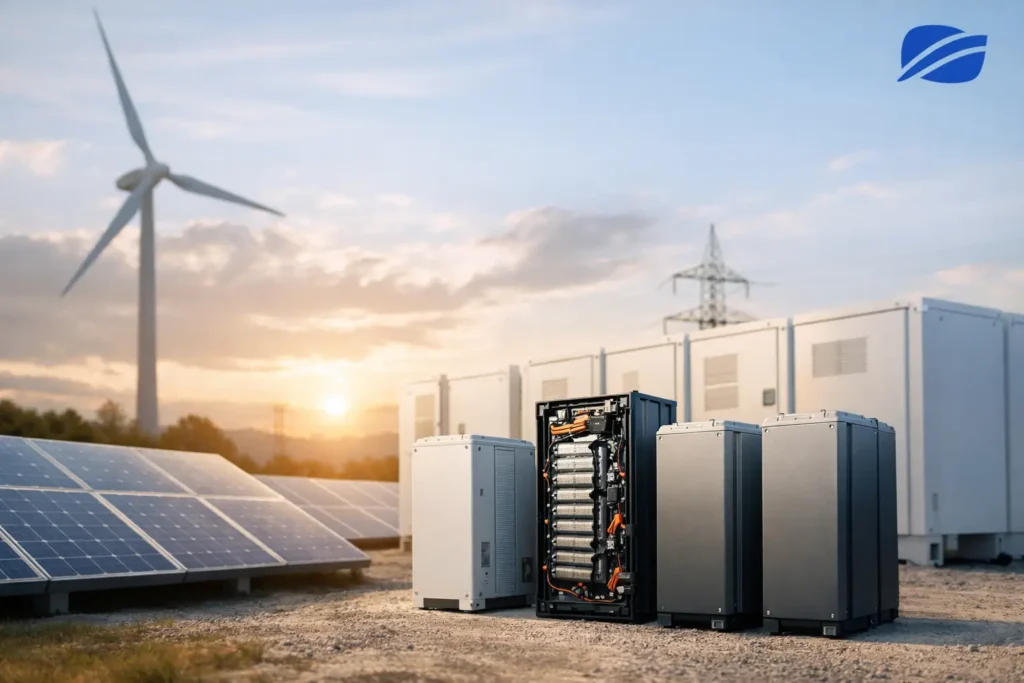
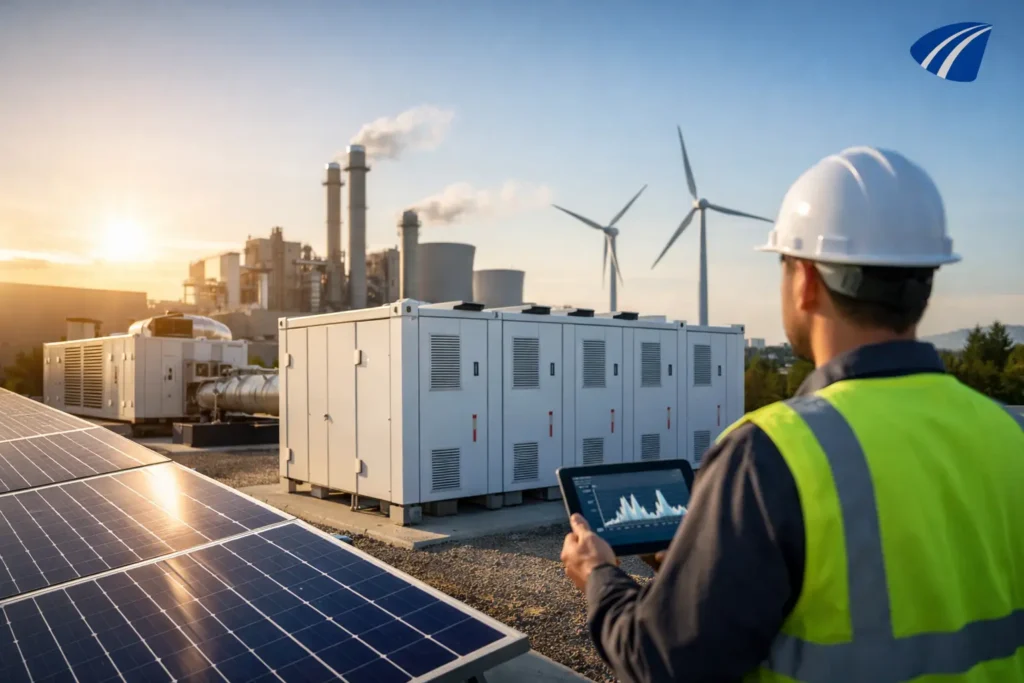
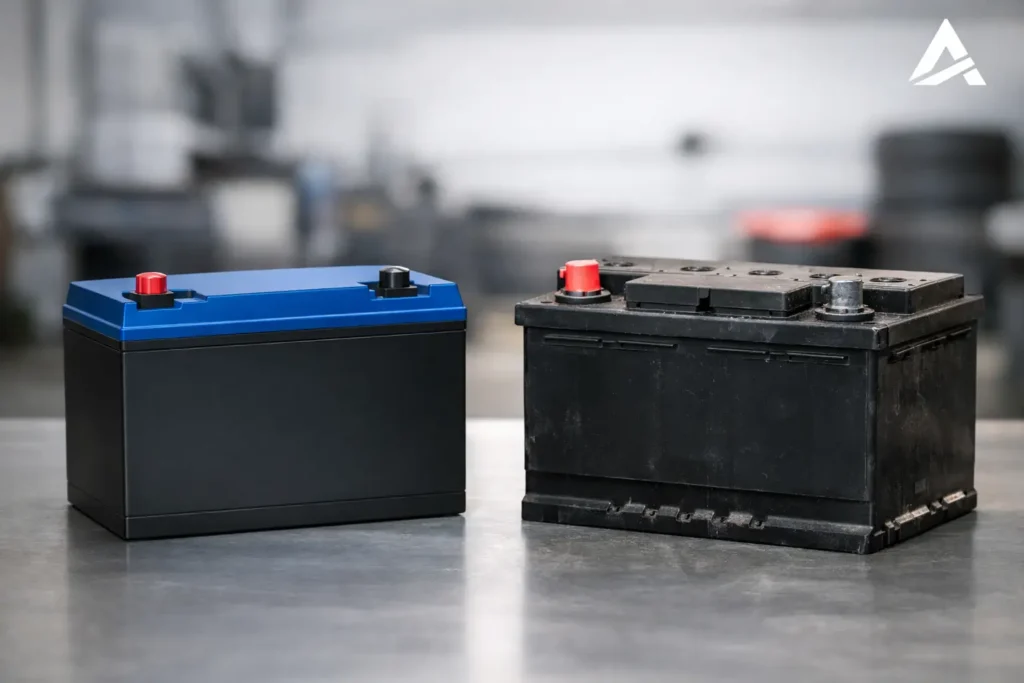
BESS can support load shifting, peak shaving, better utilization of solar generation, and backup for critical loads. In data centers, telecom infrastructure, pharmaceutical, and food industries, this combination adds significant value because power interruptions mean more than downtime.
However, storage is not a universal solution. If consumption is already well aligned with solar production, batteries may not deliver the best ROI. The decision must be based on consumption modeling and clear priorities whether the goal is cost savings, energy independence, or process protection.
Technical criteria that make the difference
There is no room for rough estimates in industrial projects.
Roof load capacity, structure type, wind and snow resistance, fire safety requirements, and service access directly affect system safety and long-term performance.
On the electrical side, it is essential to assess distribution boards, protection systems, connection capacity, grounding quality, selectivity, and synchronization with existing energy sources. In older facilities, additional upgrades are often required and must be planned early.
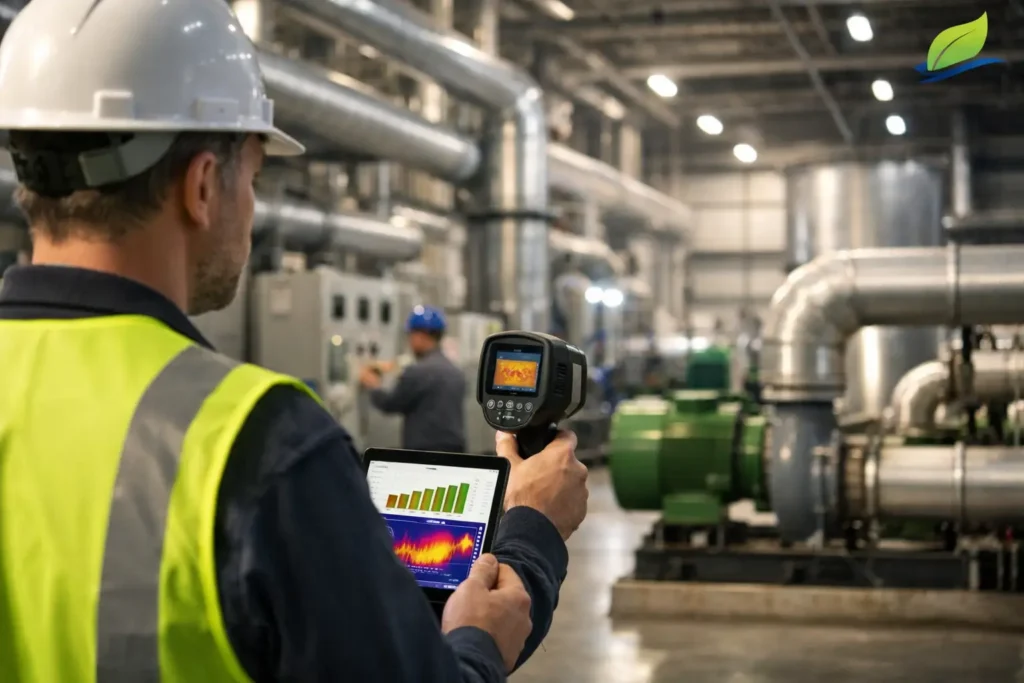
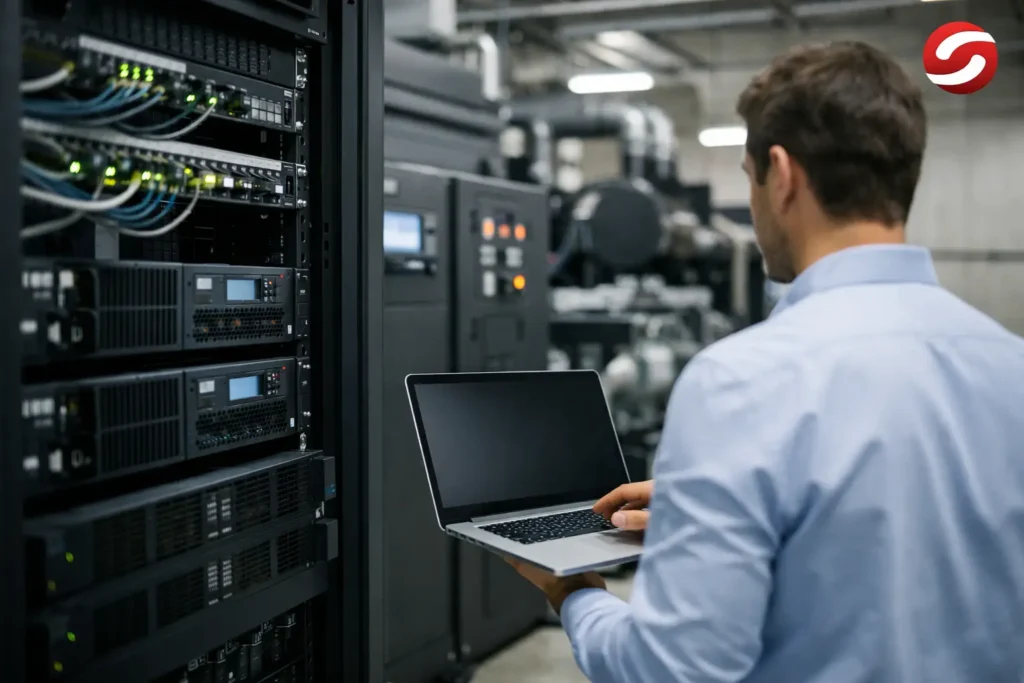
Monitoring is another critical component. Industrial solar panels must be part of a system that provides real-time insights into production, string-level performance, alarms, deviations, and historical trends. Without this, there is no active management only passive observation.
Regulatory and project framework in Serbia
In the local market, investors benefit most when projects are led by teams that understand both technical and procedural aspects.
This includes feasibility studies, design, permitting, coordination with grid operators, installation, commissioning, and long-term maintenance.
For industrial companies, it is especially important to avoid fragmented responsibility. When one party designs, another installs, a third commissions, and a fourth maintains, the risk of delays and technical inconsistencies increases.
The turnkey model is not just a marketing term it is a way to ensure full accountability from start to finish.
What a strong business case looks like
A strong business case does not start with “we have a large roof.” It starts with data.
Monthly and hourly consumption, peak loads, expansion plans, criticality of power stability, and acceptable payback period must all be defined.
Based on this, the optimal system size is determined. Sometimes it makes sense to maximize available surface. In other cases, a smaller system with higher self-consumption delivers better results. In some scenarios, full value is achieved only when solar is combined with storage, grid upgrades, HVAC optimization, or backup power systems.
What management should ask before making a decision
If you are considering an investment, focus on questions that reveal project quality:
What is the expected annual yield under real conditions?
What share of production will be self-consumed?
How are protection and monitoring designed?
What is included in warranties?
What does the maintenance plan look like?
What are the key integration risks with existing systems?
The real question is not whether solar works it does.
The question is whether the system is designed for your consumption profile, your facility, and your operational risk level. In industry, none of these factors are secondary.
That is why industrial solar panels should be part of a broader energy strategy.
When properly designed and integrated, they do not just reduce electricity bills they provide control over one of the most critical business costs. And in an environment where energy price and supply reliability directly impact competitiveness, this is no longer a technical upgrade it is a strategic business decision worth planning in advance.