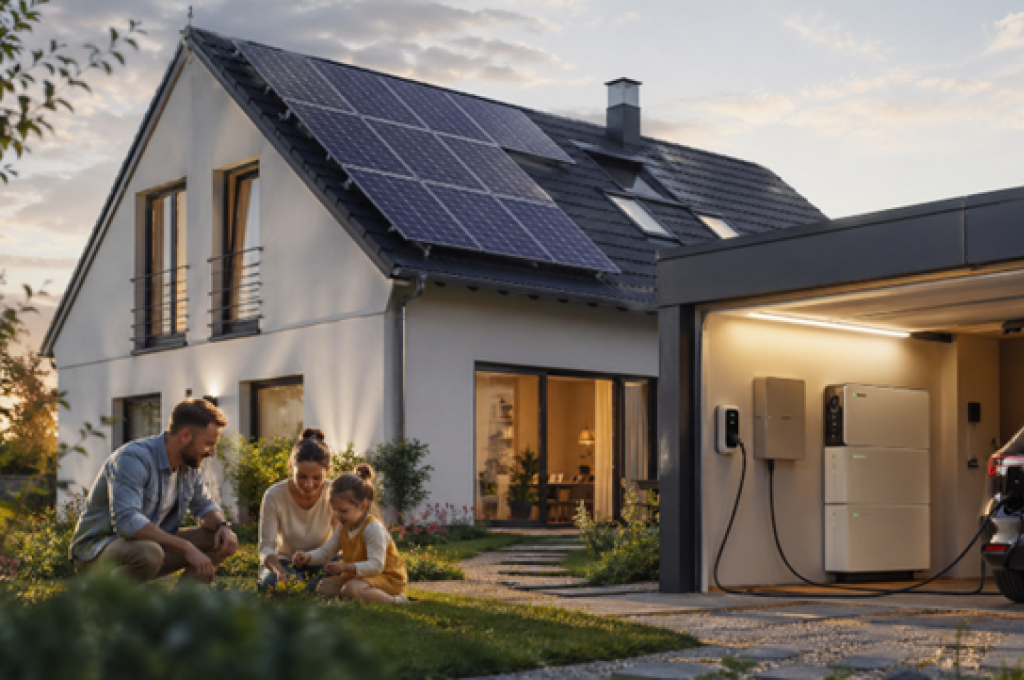
Until a few years ago, rooftop solar in Serbia was, for many people, something associated with technology enthusiasts, early adopters, or homeowners who simply wanted to be ahead of the curve. Today that picture is changing. Solar is no longer an exotic topic, and the word prosumer is slowly entering broader conversations about electricity bills, energy efficiency, and household planning. That is not happening by accident. When a market matures, when procedures become easier to understand, when there are more visible examples, and when people start seeing clear benefits, a technology stops being a hobbyist topic and becomes a rational option for ordinary households.
In the simplest terms, a prosumer is a consumer-producer. A household does not only use electricity from the grid; it also has a small generation system, most often a solar power plant on the roof, that produces electricity for its own needs. When the system produces more than the house is using at that moment, the surplus goes to the grid. When it produces less than the household needs, electricity is drawn from the grid. In Serbia, this model is tied to the status of a consumer-producer, and EPS explains for households how net metering works, meaning that billing is based on the difference between imported and exported energy within the billing period. That is an important shift in perspective: a home is no longer just a passive user of energy, but an active participant in the energy system.
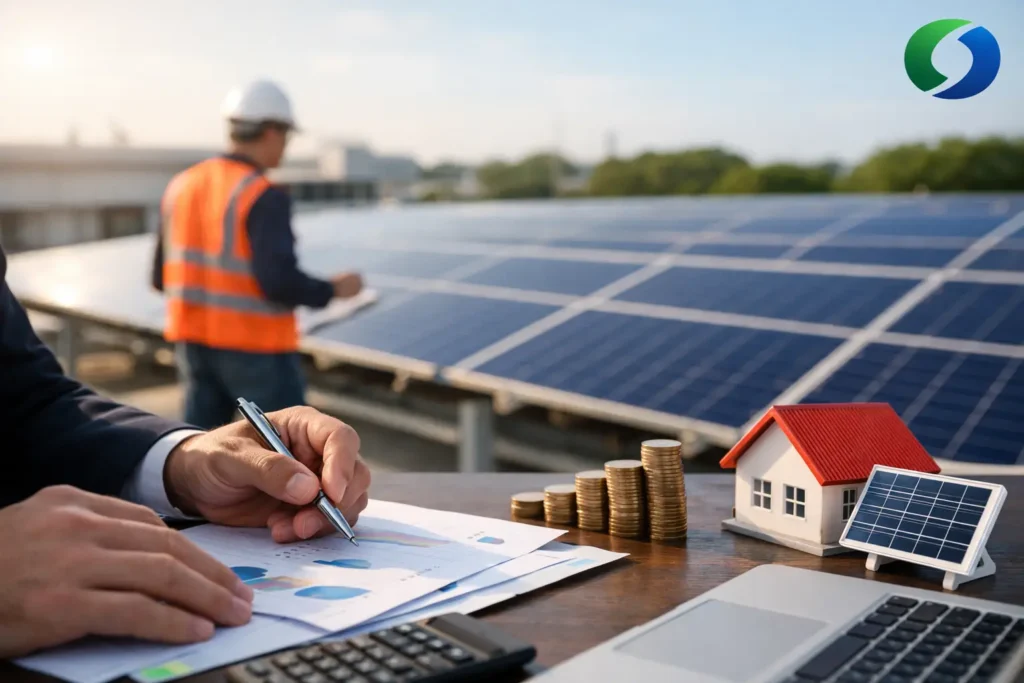
Why does that matter to an ordinary homeowner? Because most people no longer think about solar only as a green technology. They think about their electricity bill, the predictability of long-term costs, the value of the roof space they already have, and how to prepare the house for the next ten or fifteen years. If you have ever thought about air conditioning running harder every summer, a future heat pump, charging an electric vehicle, or simply reducing your exposure to rising energy costs, then you are already thinking in the same framework as a prosumer. In that context, solar is not a symbol of technical prestige; it is a practical tool for better control over household energy use.
That is why it is important to understand that prosumer status does not mean a household suddenly becomes a mini power trader. The core idea is still self-consumption. The biggest value of rooftop solar is not a dramatic story about selling electricity, but the fact that during the day a portion of the home’s energy comes directly from the roof, reducing the amount that has to be bought from the grid. That is a more grounded and realistic story than many of the myths that have followed solar for years.
One reason why prosumer status is no longer a niche topic is that the institutional framework is more visible today than it used to be. Serbia’s Ministry of Mining and Energy has repeatedly reported steady growth in the number of consumer-producers, and by late 2025 it was also pointing to wider subsidy programs for household energy renovation measures, including solar panels. At the same time, EPS explains on its website the steps required to obtain consumer-producer status and how billing works in practice. For the average user, that matters. A technology only becomes truly accessible once you do not need to work in the industry to understand the process.
Another important reason is that the profile of interested homeowners has changed. In the past, interest mostly came from people who wanted energy independence at all costs or from those strongly motivated by environmental concerns. Today the audience is much broader: families planning a new house, homeowners renovating their roof, people preparing to install a heat pump, or simply households looking for a smarter way to manage their budget. That means solar is no longer a product for a narrow audience, but a solution that becomes relevant wherever real household costs are being planned.
It is also worth saying that a prosumer does not need to be a technical expert. Of course, it helps to understand a few basic ideas such as system size, roof orientation, shading, and seasonality. But the decision to go solar is not reserved for engineers. A capable installer, a good design, and a realistic understanding of household consumption are often more important than knowing every technical detail. For most households, it is enough to understand a few essential questions: how much electricity the home uses, when it uses the most, how much roof space is available, and what the realistic expectations of the investment are.
Prosumer thinking is not only about technology, but also about mindset
Smart homeowners no longer see a house as a passive structure that simply consumes resources. They start seeing it as a system. The question is no longer only what insulation they have or what heating system they use, but also how the house consumes energy, when it consumes it, how much it can generate on its own, and how all of that affects comfort and long-term costs. In that sense, prosumer status is also a sign that the culture of homeownership is changing.
Of course, that does not mean solar is ideal for every house without exception. Some homes have a poor roof orientation, heavy shading, or too little consumption for solar to be the first priority. In other cases, insulation or new windows may matter more before panels are added. But that is exactly what shows how much the conversation has matured: solar is no longer presented as a magical answer for every home, but as one important energy decision that has to fit the real profile of a specific household.
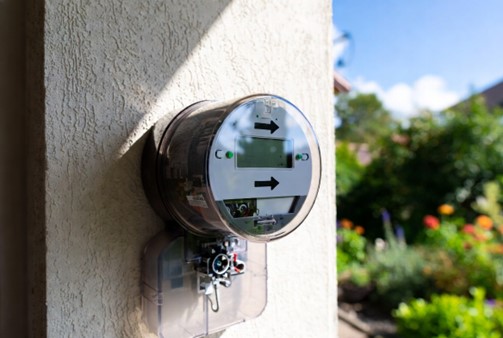
Perhaps the best way to understand a prosumer is this: it is not a label for technology enthusiasts, but a practical model for households that want to produce part of their own energy. In a country where interest in energy efficiency is growing, where more homes are adopting modern electric systems, and where families want better control over costs, that is a very logical development. Today, a prosumer is less a vision of the future and more an ordinary homeowner who has decided that the roof should start working for the household.
That is why it matters to speak the language of ordinary households rather than the language of the industry. People want to know whether solar can help them plan costs, whether their home is a good candidate, and what they can realistically expect. Once those questions are answered clearly, the term prosumer stops sounding abstract and becomes what it really is: a household that uses its roof, its consumption profile, and its money more intelligently.