The Path of Electrical Energy Through Modern Power Systems
A stable and reliable electrical power supply is a fundamental prerequisite for the seamless operation of modern industry and business. The path of energy from the point of generation to end consumers in production halls and commercial facilities requires high technological synchronization. To ensure operational continuity, minimize operating costs, and prevent downtime, energy goes through a complex process of transformation and distribution across different voltage levels. Understanding the functioning of medium and low voltage systems is crucial for optimizing the energy efficiency and reliability of any business system.
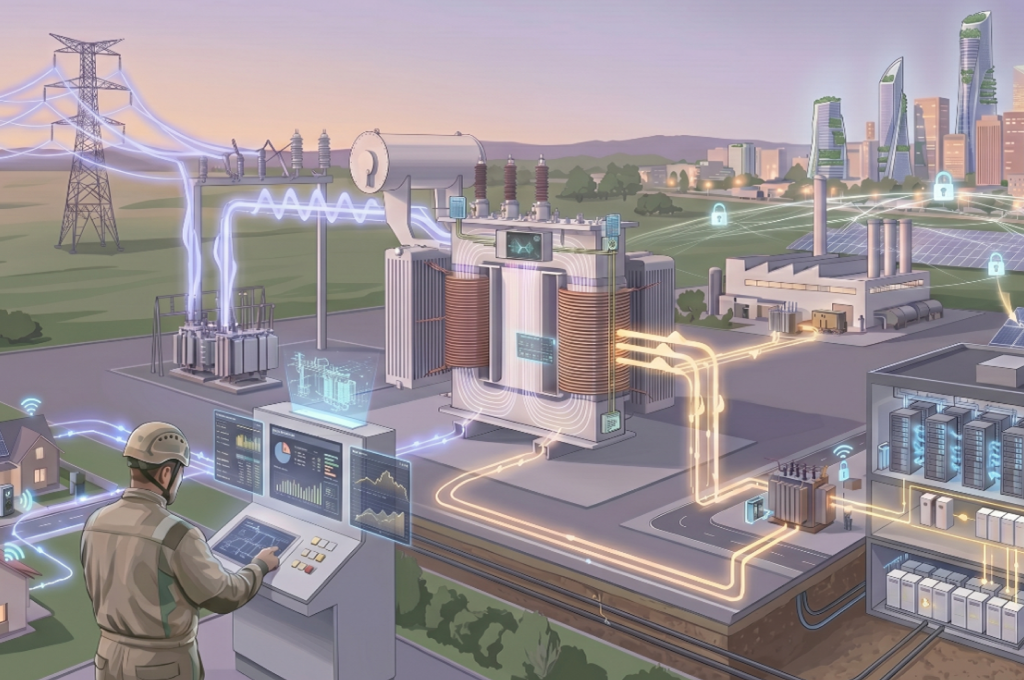
The supply process begins at the point of generation, where electrical energy is produced in traditional thermal and hydroelectric power plants, large industrial facilities, as well as increasingly present decentralized sources such as solar power plants. After generation, the energy is distributed via a high-voltage transmission grid. The primary reason for using high voltage lies in energy efficiency, as it enables the transmission of large amounts of energy over long distances with minimal technical losses in the system. Given that energy at this voltage level is unsuitable for direct consumption, its voltage must be gradually stepped down to a level that is safe and technically adapted to end-use devices and facilities.
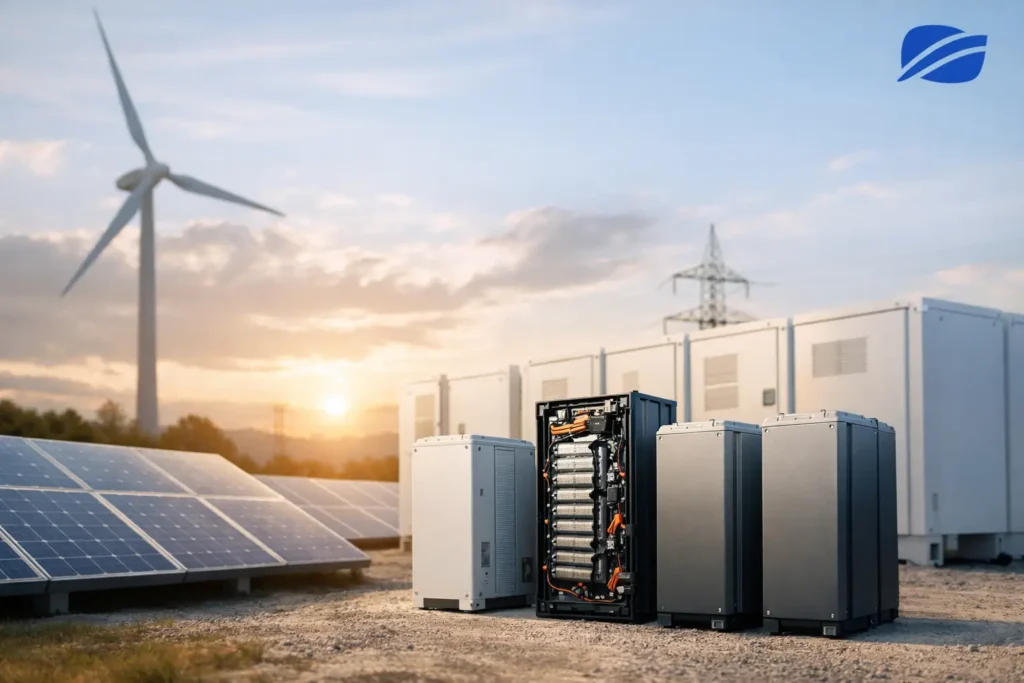
The medium voltage grid represents the distribution backbone of the entire electrical power system, encompassing voltage levels ranging from 1 kV to 35 kV. This infrastructure is essential for powering large industrial complexes, distributing energy through populated areas to local substations, and integrating renewable sources, such as solar power plants and wind farms, into the power grid. At this stage, energy from the high-voltage transmission grid enters medium voltage switchgear facilities. Within these facilities, the control, protection, and precise rerouting of energy flows take place, enabling the efficient and safe distribution of energy to end consumer zones.
The key segment of adapting electrical energy for broader industrial and commercial use takes place within substations. The central process in these facilities is voltage transformation, most commonly from a level of 35 kV to standard commercial levels. This function is performed by power transformers, vital system components that step down the voltage and technologically prepare the energy for transition into the low voltage grid, thereby enabling its final distribution and consumption.
After passing through the transformer, electrical energy enters the low voltage domain, which covers values up to 1000 V and which companies directly encounter in their daily business and operations. In practice, two standard voltage levels are most commonly applied. A 400 V three-phase system is predominantly used in industry, factories, and larger commercial facilities to power heavy-duty motors and production machines. On the other hand, a 230 V single-phase system is present in commercial buildings and households, where it serves to power lighting, computer equipment, and appliances. Within the low voltage system, energy is further routed through distribution boards. At this level, precise consumption measurement is performed, and advanced protection of the entire system is applied using circuit breakers and fuses, ensuring the safe powering of servers, production lines, and other sensitive equipment.
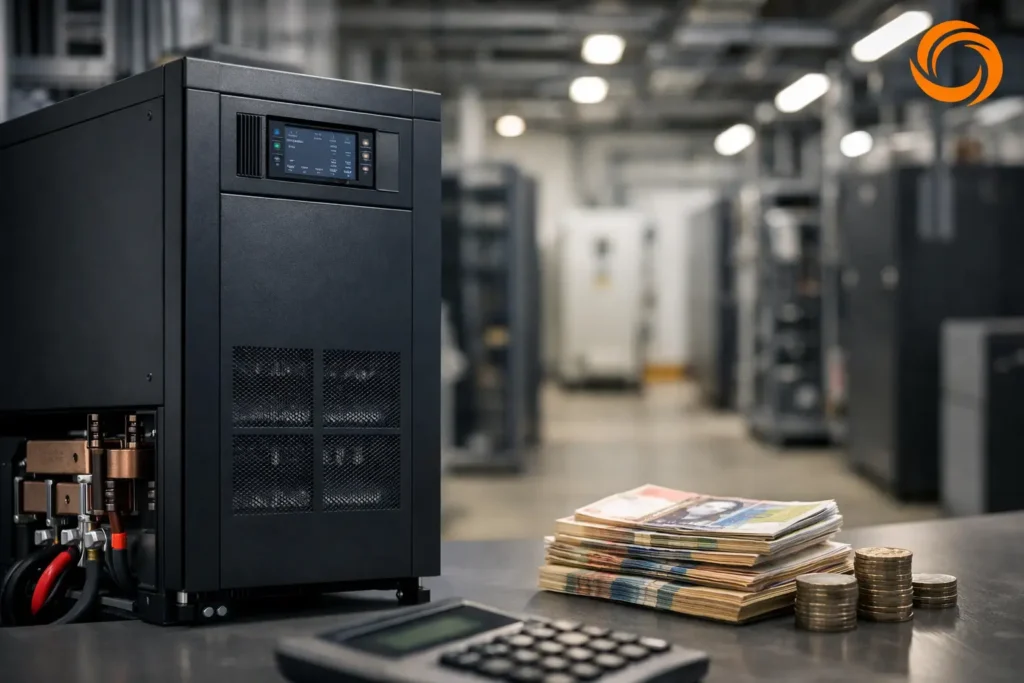
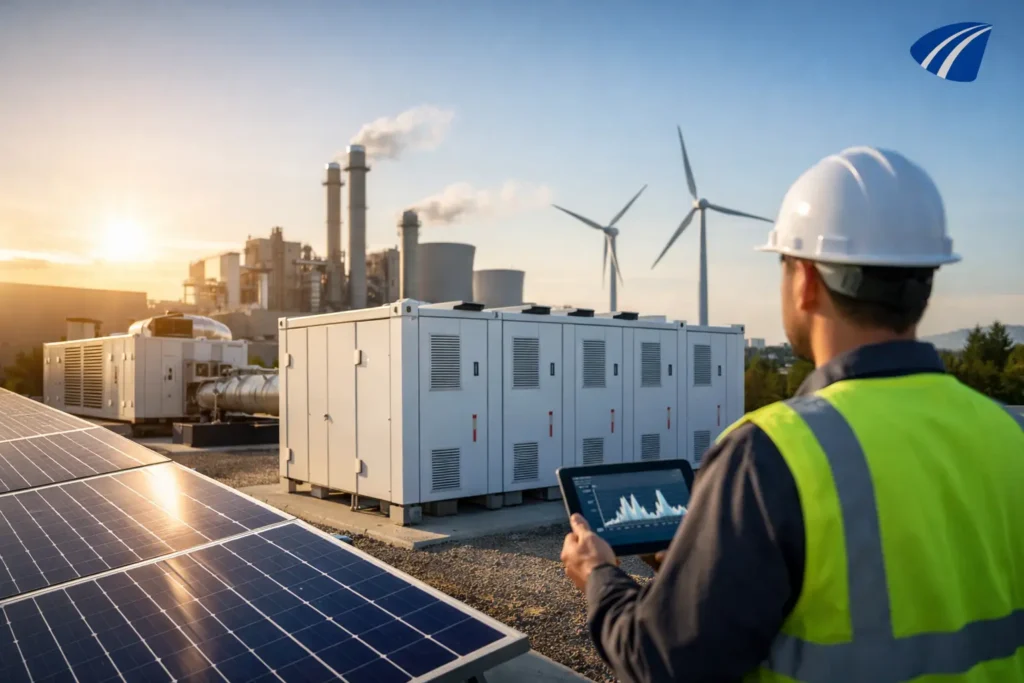
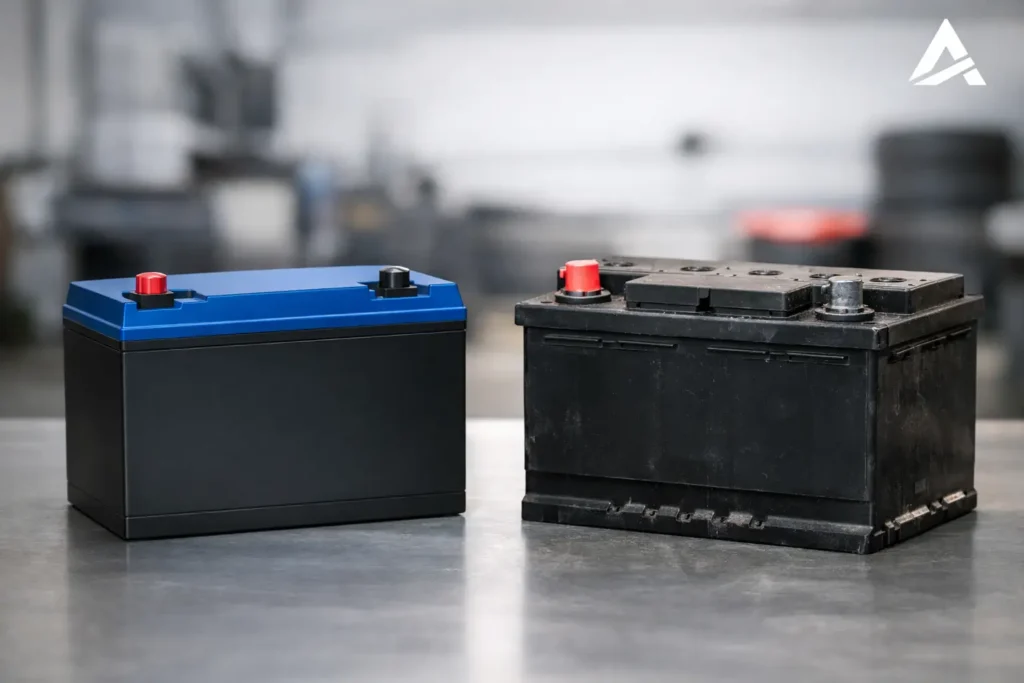
In the modern business environment, establishing a distribution grid is merely the foundation, while guaranteeing system stability is the absolute priority. A power outage lasting just a few seconds can lead to the halting of production processes, the loss of critical data, and multi-million financial damages in the industrial and IT sectors. Therefore, systems for ensuring operational continuity are integrated within the low voltage grid. Uninterruptible power supply (UPS) systems are designed to instantaneously take over the load in the event of a distribution grid failure, preventing noticeable interruptions in operation. Alongside them, battery energy storage systems (BESS) are utilized, providing extended autonomy for facilities. The role of these technological solutions is clear: protecting sensitive equipment, eliminating downtime, and ensuring business continuity regardless of external factors and disturbances in the power grid.
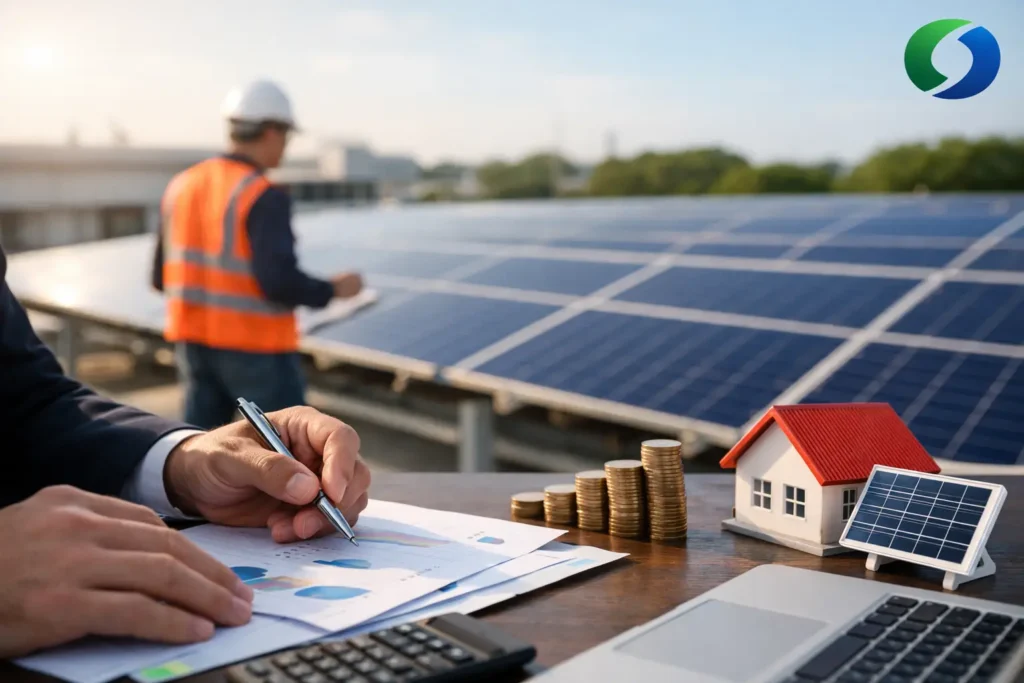
The functioning of modern energy solutions is best reflected through the example of commercial solar power plants, which enable business entities to become active prosumers (producer-consumers) of electrical energy. The process begins with the generation of direct current (DC) via solar panels installed on the facility. Given that alternating current (AC) is required to power equipment, integrated inverters perform an efficient conversion of the generated energy. This adapted energy then directly enters the facility’s low voltage system and is immediately used to operate production machines and accompanying devices. In situations where generation exceeds current consumption, the generated excess energy is distributed back into the medium voltage grid. A precisely engineered and sized solar system can cover a significant portion of a commercial facility’s total energy needs, directly leading to a drastic reduction in operating costs.
The economic and energy efficiency of the entire system depends on the quality of the installed equipment, expert sizing, and consumption optimization. The coordinated integration of medium and low voltage systems, especially when supported by the application of solar power plants, guarantees high economic viability. While in the household sector, such systems bring measurable monthly savings with an average return on investment (ROI) period of eight to ten years, the benefits in the commercial sector are much more pronounced. Companies achieve a drastic reduction in their commercial electricity bills, enabling an exceptionally fast return on invested capital, usually within a period of three to six years.
The transformation of electrical energy from the medium voltage level to the final consumer points is a complex and technologically demanding process. An optimally configured infrastructure ensures high reliability and stable power supply for facilities, the protection of employees and expensive process equipment, as well as the maximization of energy efficiency, which directly reduces operating costs. Modern electrical power systems are based on the synchronized operation of a robust medium voltage distribution grid, precise low voltage switchgear facilities, and advanced backup power systems. Only through such a systemic approach can companies ensure uninterrupted operation, minimize the risks of outages, and establish a long-term sustainable business model independent of instability in the energy market.