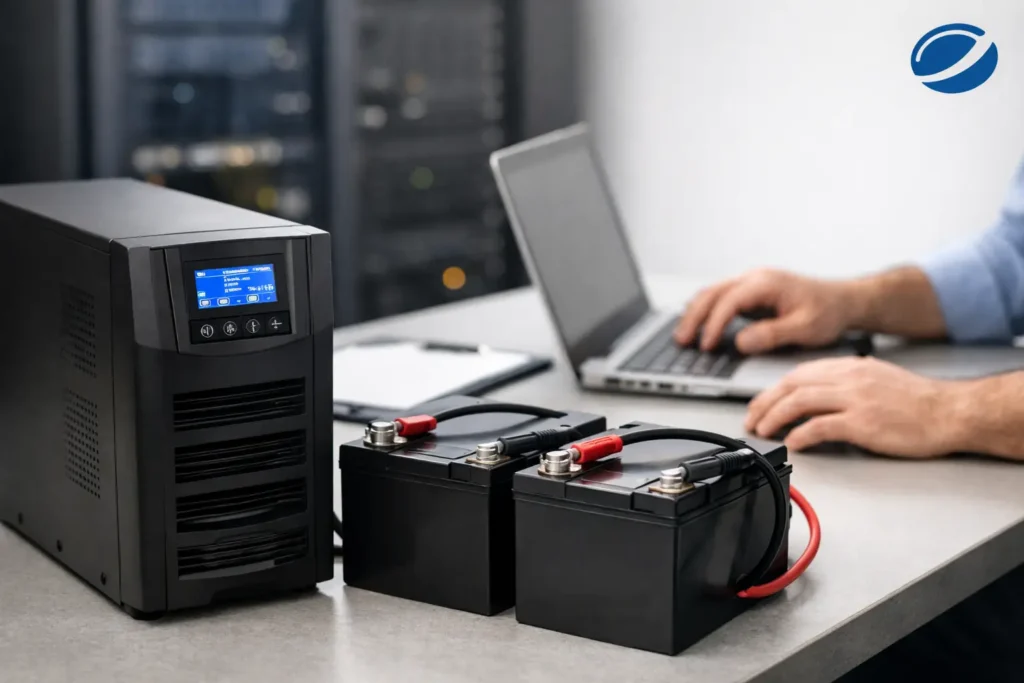
A power outage does not become a problem when the electricity goes out it becomes a problem much earlier, when the system has been designed without a clear understanding of what must remain operational, for how long, and under which conditions. That is why designing a backup power system is not a technical detail to address at the end of a project, but a strategic decision that directly impacts business continuity, equipment protection, and the total cost of ownership.
In practice, the biggest mistake is rarely an undersized UPS or insufficient battery capacity. The real mistake is treating every electrical load the same. A production line, server room, fire protection system, loading dock equipment, HVAC infrastructure, and lighting do not share the same priority, load profile, or tolerance for power interruptions. For this reason, backup power systems should not be sized for the entire facility unless there is a compelling business justification. In most cases, they are engineered specifically for critical loads, based on clearly defined operating scenarios.
Design Around Operational Requirements, Not Equipment
Backup power design begins by identifying critical business functions. The first step is determining which systems must remain operational without interruption, which can tolerate a brief outage, and which can safely be shut down.
For data centers, priorities are straightforward IT equipment, network infrastructure, cooling systems, and monitoring platforms. Manufacturing environments are more complex, as automation systems and process controls often need to remain active alongside selected production equipment to prevent production losses, process interruptions, or damage to raw materials.
The next step is defining the required backup autonomy. There is no universal answer. Some facilities require only five to fifteen minutes of runtime to bridge short utility disturbances or perform an orderly shutdown. Others require several hours, while certain mission-critical operations demand significantly longer autonomy, particularly when battery energy storage is combined with backup generators or solar power systems. The required runtime directly determines both the system architecture and the overall investment.
The third step is analyzing the electrical load itself. Not all kilowatts are created equal. Electric motors generate high inrush currents, variable frequency drives and rectifiers introduce harmonic distortion, while sensitive IT and telecommunications equipment requires stable voltage and frequency without interruption. Simply adding up rated power values often results in either an undersized system or unnecessary overspending on equipment that fails to solve the actual operational challenge.
Key Parameters That Define the System
A reliable backup power solution is built around several technical parameters that must be carefully validated before selecting any equipment.
The first is the facility’s active and apparent power demand, together with realistic power factor values and expected peak loads. The second is the required backup autonomy the length of time the system must support operations without utility power. The third is the acceptable transfer time between the utility grid and the backup source.
This is where the distinction between UPS systems and generators becomes particularly important. A UPS provides instantaneous or virtually seamless power transfer, making it essential wherever even a few milliseconds of interruption are unacceptable. Backup generators provide significantly longer autonomy but require startup and stabilization time, meaning they cannot protect sensitive loads without a UPS. In professional power architectures, these technologies are not competing alternatives but complementary components of the same solution.
The fourth key parameter is redundancy. If downtime is not acceptable, having sufficient capacity alone is not enough. The design must also account for component failures, maintenance procedures, and future expansion. This is why high-availability facilities commonly implement N+1 or 2N redundancy, modular UPS architectures, selective protection, and distributed load configurations.
UPS, Batteries, Generator, or BESS?
The right technology depends entirely on the facility’s load profile and business objectives.
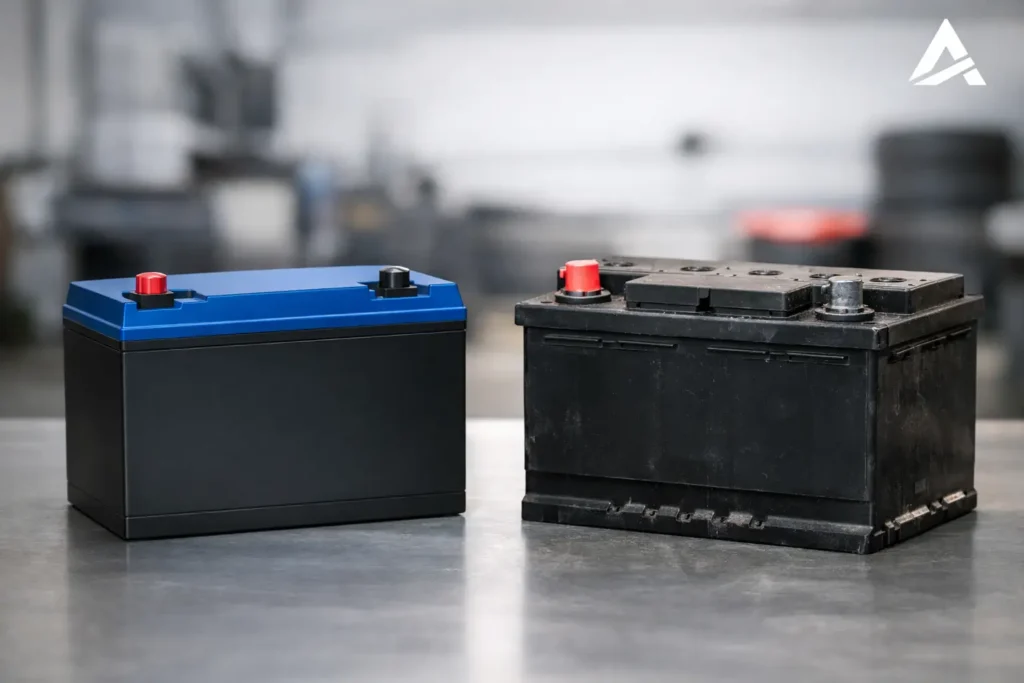
UPS systems with battery backup remain the standard solution for critical loads that require uninterrupted power. However, when several hours of autonomy are required, battery capacity increases rapidly, along with equipment costs, installation space, cooling requirements, and safety considerations. In these situations, backup generators often become the more practical solution for extended operation.
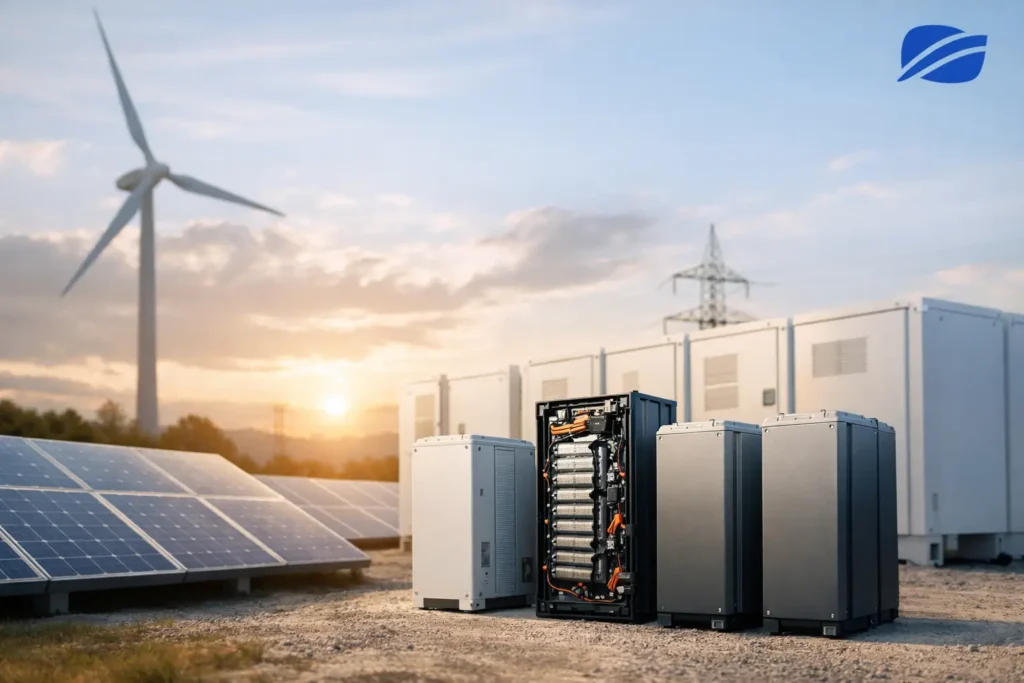
Battery Energy Storage Systems (BESS), however, are changing the way backup power is designed particularly for companies seeking more than emergency power alone. When properly engineered, a single storage system can provide backup power, peak shaving, demand optimization, improved solar integration, and reduced electricity costs. This makes BESS particularly attractive for organizations evaluating investments through a Total Cost of Ownership (TCO) perspective rather than initial purchase price alone.
There is no single solution that fits every application. UPS systems remain indispensable wherever uninterrupted power is critical. Generators provide the most economical solution for long-duration outages and heavy loads. Battery storage becomes increasingly valuable when operational resilience and financial optimization are equally important. In many cases, the optimal solution is a hybrid architecture combining all three technologies.
Designing for Real Operating Conditions
Backup power systems should never be designed around ideal conditions. They must be evaluated based on realistic operating scenarios.
Engineers should assess how the system performs when utility power fails during peak production, when temperatures rise in electrical rooms, when the largest loads start simultaneously, or when individual components fail. In manufacturing and logistics facilities, these situations determine whether the system performs reliably when it matters most.
This is why multiple operating scenarios are modeled during the design phase. One scenario may involve a short utility disturbance that does not require generator startup. Another may simulate an extended outage, with the UPS supporting critical loads until the generator reaches full operating capacity. A third may include simultaneous operation with a solar power plant and battery storage system, where critical loads remain energized while non-essential loads are automatically disconnected.
By defining these scenarios in advance, the resulting system becomes aligned with actual business priorities rather than theoretical design assumptions.
Equally important is sequencing the restoration of electrical loads. Restoring every circuit simultaneously can create high inrush currents capable of overloading the UPS, generator, or switchgear. A properly engineered system therefore incorporates staged load restoration, load prioritization, and intelligent energy management controls.
Common Design Mistakes That Increase Project Costs
One of the most frequent mistakes is sizing the system based on assumptions instead of measurements. Without accurate load monitoring, consumption profiles, and startup current analysis, systems are often oversized as a precaution. While this may appear safer, it unnecessarily increases capital expenditure and long-term maintenance costs.
Another common mistake is overlooking installation conditions. UPS systems, battery storage, and BESS installations are not simply electrical components. Ambient temperature, ventilation, fire protection, floor loading capacity, maintenance accessibility, and available installation space all influence technology selection and system lifespan.
A third mistake is failing to account for future expansion. If a company plans to install new production lines, expand warehouse capacity, or increase IT infrastructure within the next few years, the backup power system should be designed with modularity or reserved capacity. Otherwise, a system that meets today’s requirements quickly becomes tomorrow’s bottleneck.
The fourth mistake is focusing exclusively on equipment price. The lowest initial investment rarely delivers the lowest lifetime cost. Battery lifespan, system efficiency, service support, spare parts availability, and the financial consequences of downtime make Total Cost of Ownership a far more meaningful evaluation criterion than purchase price alone.
Integration with Existing and Future Energy Infrastructure
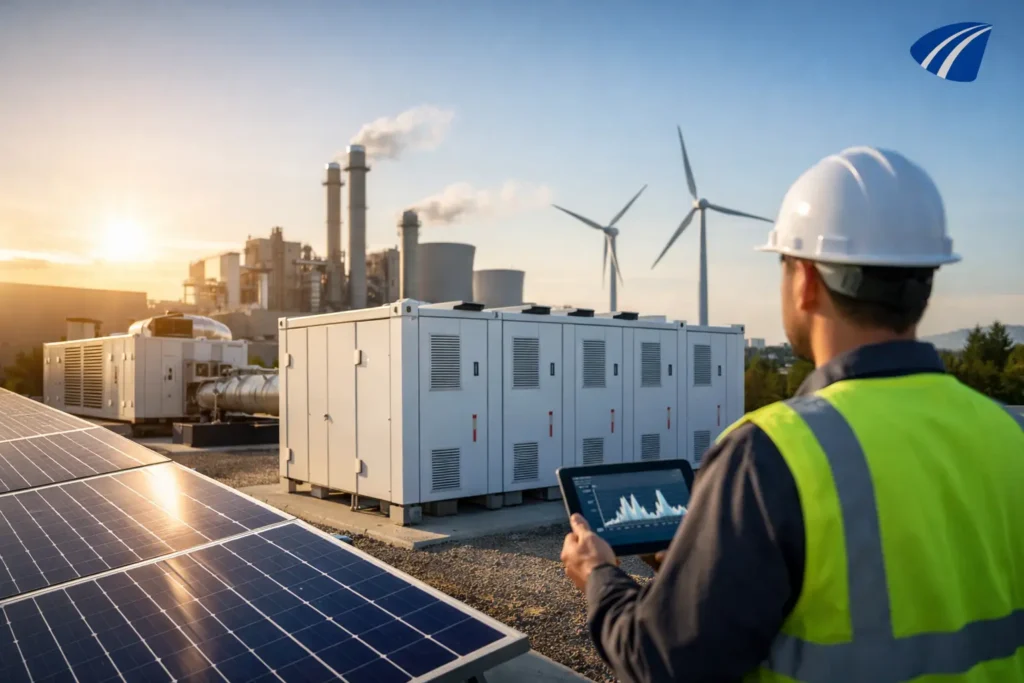
Modern backup power systems should never operate in isolation. In advanced facilities, they must be fully integrated with substations, electrical distribution systems, automation platforms, HVAC infrastructure, backup generators, solar power plants, and Energy Management Systems (EMS). Only then can the investment deliver its full operational value.
For example, organizations that already operate or plan to install a solar power system should not design backup power independently of their broader energy strategy. In these cases, battery storage can simultaneously support critical loads, optimize energy consumption, and maximize self-consumption of solar-generated electricity. This fundamentally changes project economics and often delivers greater value than a conventional “UPS plus generator” configuration.
For highly critical facilities including data centers, telecommunications sites, food processing plants, and continuous-process industries integration requirements are even more demanding. It is not enough for individual components to perform well independently. The entire system must operate as a coordinated, tested, and serviceable solution.
This is precisely why the greatest value comes from working with a single engineering partner capable of delivering feasibility studies, system design, equipment supply, commissioning, and long-term maintenance.
What a Properly Engineered Backup Power System Delivers
A well-designed backup power system may go unnoticed during normal operations, but its value becomes immediately apparent when power disruptions occur. That value is measured through avoided downtime, protected production, preserved equipment, reduced risk of data loss, and greater predictability of operating costs. For executive management, backup power is not merely an engineering concern it is a critical component of operational resilience.
For some organizations, the objective is simply to ride through brief utility disturbances without interruption. Others require continuous operation for hours while maintaining full control over load priorities and operating costs. This is why the correct approach to backup power design always depends on the specific facility, production process, and business risk profile.
When the project is engineered with precision from detailed load measurements and operating scenarios to equipment selection and system integration backup power ceases to be an unavoidable expense and becomes an essential part of a comprehensive energy strategy.
If you are planning a new facility or modernizing an existing one, the most valuable investment decision is the one based on real operational data rather than assumptions. That is where the difference begins between simply purchasing equipment and engineering a system that truly protects your business.