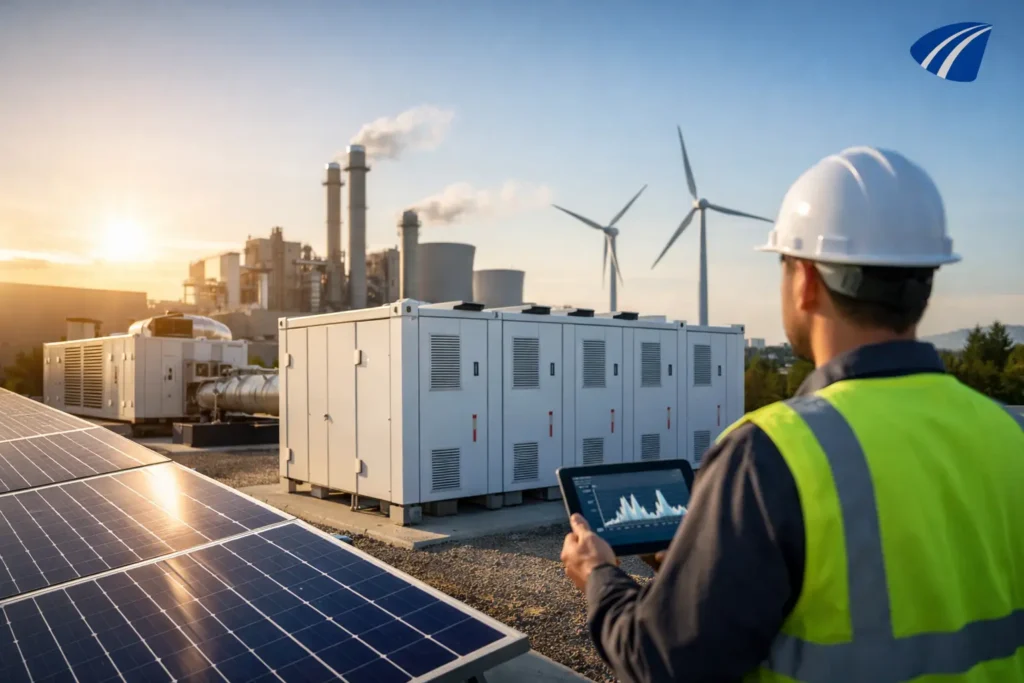
Electricity is no longer just an operating expense. For manufacturers, logistics providers, food processing companies, telecommunications operators, and data centers, it has become a direct factor of competitiveness. That is why solar and battery storage integration has become a strategic topic for management, finance, and maintenance teams alike, combining lower energy costs with greater control, operational stability, and long-term predictability.
For many companies, the challenge goes beyond the cost of electricity itself. Peak demand charges, power quality fluctuations, downtime risks, and dependence on the grid during periods of high production or critical operations all have a significant impact on business performance. When a solar power plant and battery energy storage system (BESS) are designed as a single integrated solution, energy is no longer a passive operating cost, it becomes a strategic resource that can be actively managed.
What Solar and Battery Storage Integration Means in Practice
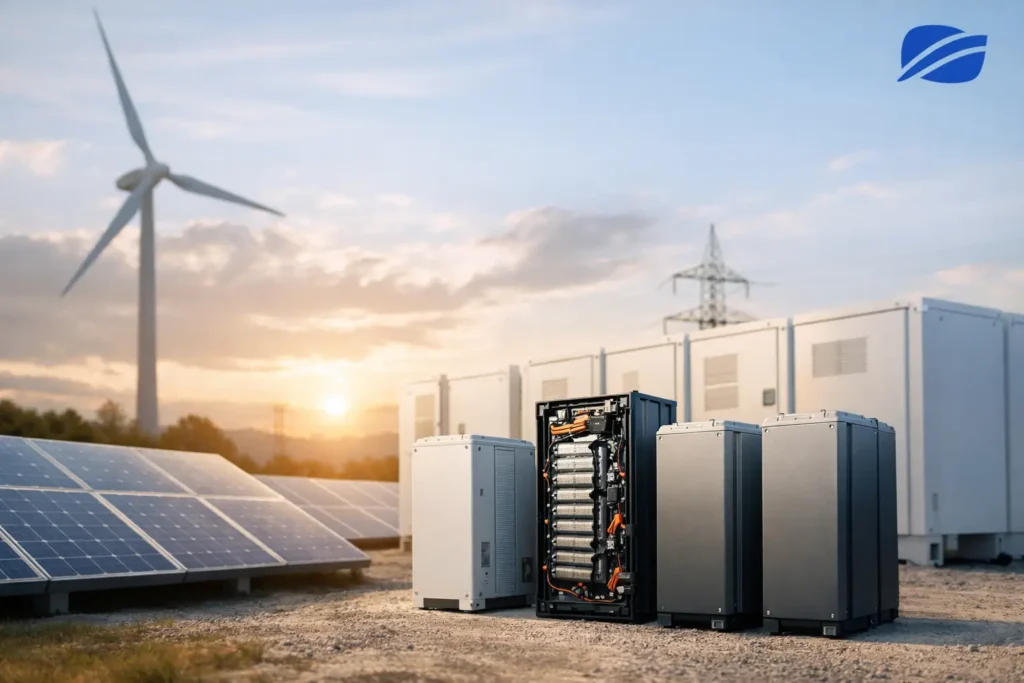
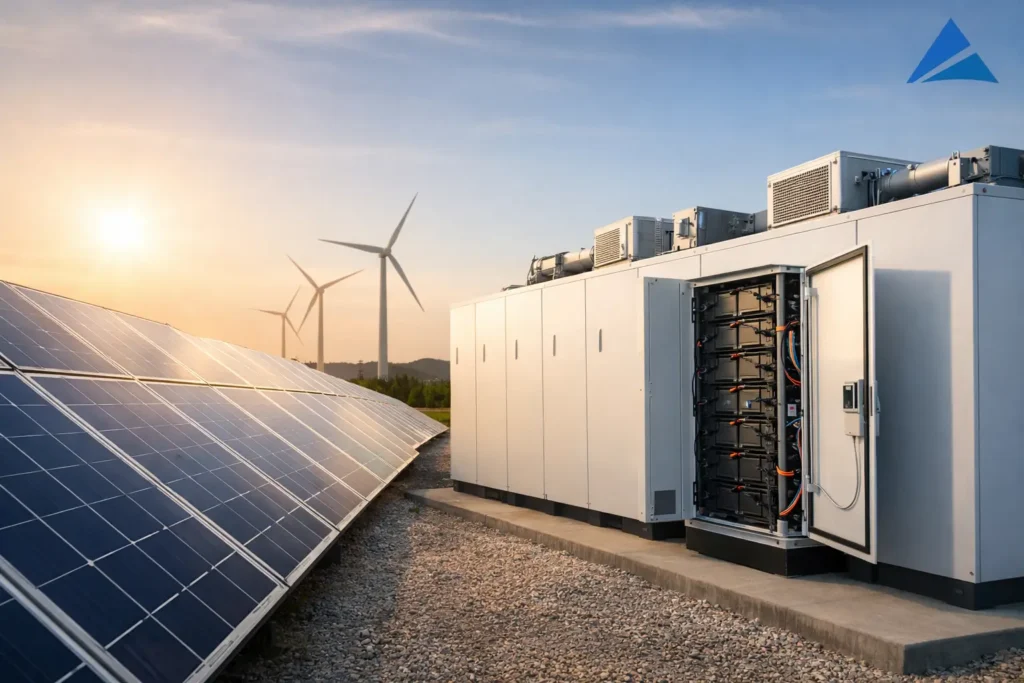
Solar and battery storage integration is far more than simply adding batteries to an existing photovoltaic system. It is an engineering approach in which the PV system, inverters, battery storage, protection systems, load management, and grid interaction are designed as one integrated energy ecosystem.
This is what separates a comprehensive energy solution from a collection of standalone components. When properly engineered, the solar system supplies daytime energy production, the battery stores surplus electricity, and then releases it when electricity prices are highest or when power reliability is most critical. In industrial environments, this translates into lower peak grid demand, improved utilization of self-generated energy, and higher operational continuity.
For companies with substantial daytime energy consumption such as manufacturing facilities and distribution centers this approach often delivers the greatest business value. For facilities operating sensitive equipment, including telecommunications infrastructure, server rooms, and industrial automation systems, the benefits extend beyond energy savings to include improved power quality and system reliability.
Where the Real Business Value Lies
One of the most common investment mistakes is focusing solely on the installed capacity of the solar power plant. The true business value is measured not by the number of panels installed, but by the impact on total cost of ownership, system availability, and operational risk reduction.
For businesses with high electricity bills, battery storage can significantly reduce peak demand charges by lowering grid consumption during expensive periods. Companies operating in multiple shifts, especially those with energy demand extending beyond daylight hours, can dramatically increase self-consumption of solar-generated electricity. Instead of exporting excess energy or relying on changing market conditions, a larger share of the generated electricity is consumed directly on-site, maximizing its financial value.
More importantly, in industries where power interruptions carry disproportionate costs, battery storage serves as a critical layer of operational protection. A single production stoppage, refrigeration failure, or disruption of mission-critical IT infrastructure can easily exceed months of electricity savings. In these cases, storage should be evaluated not only as an energy optimization tool but also as an investment in business continuity.
When Solar and Battery Storage Make the Most Sense
There is no universal system configuration that fits every business. The optimal solution depends on consumption patterns, operating schedules, load characteristics, available installation space, grid connection capacity, and the investor’s long-term objectives.
Businesses with high and stable daytime electricity demand can already achieve significant savings through solar generation alone. However, when operations involve pronounced demand peaks, expensive tariff periods, or the need for backup power, integrating battery storage substantially increases the overall value of the system.
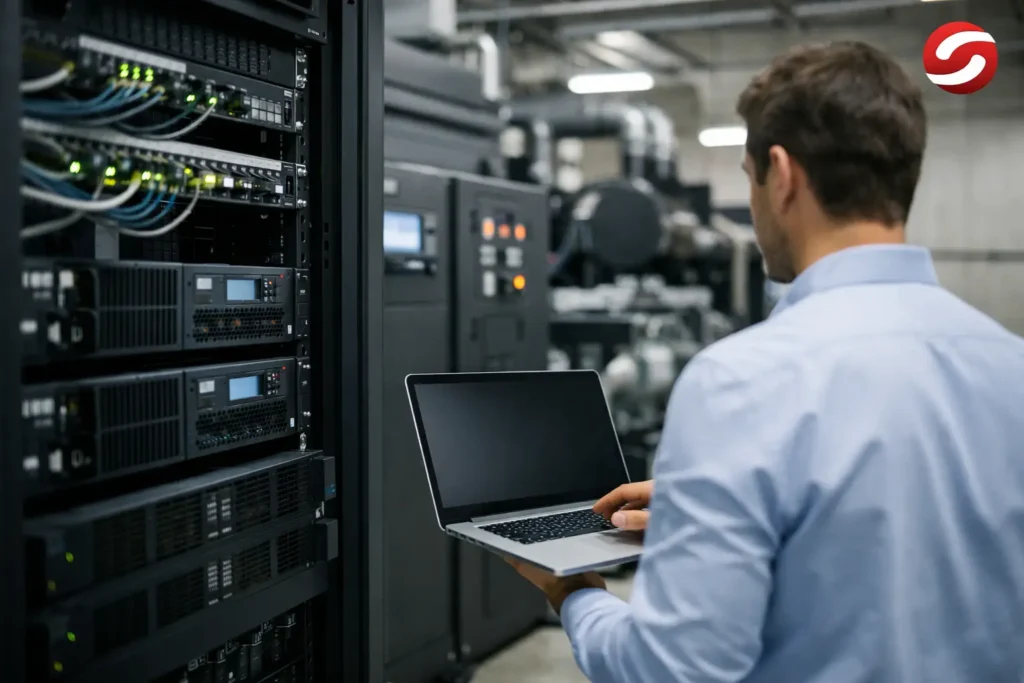
For data centers, telecommunications facilities, and other mission-critical environments, battery storage is often not an optional upgrade but an essential part of the power architecture. Manufacturing facilities with high starting currents and variable operating conditions require storage systems that are carefully coordinated with the existing electrical infrastructure. In commercial buildings and logistics centers, the investment decision typically depends on the relationship between daytime consumption, peak demand, and the desired level of energy independence.
This is precisely why every successful project begins with detailed energy analysis and a feasibility study, not with an equipment catalog.
Technical Factors That Determine Financial Performance
In practice, project profitability depends on far more than the price of batteries or the size of the solar power plant. System control strategy and accurate engineering are equally critical.
The first factor is the facility’s load profile. Understanding when energy is consumed, how long peak demand lasts, and what portion of consumption can realistically be supplied by solar generation or battery storage is essential.
The second factor is the intended function of the battery storage system. Is the primary objective peak shaving, increasing self-consumption, backup power, energy arbitrage, or a combination of these operating modes?
The third factor is compatibility with existing infrastructure from substations and distribution boards to UPS systems, backup generators, and HVAC requirements in technical rooms.
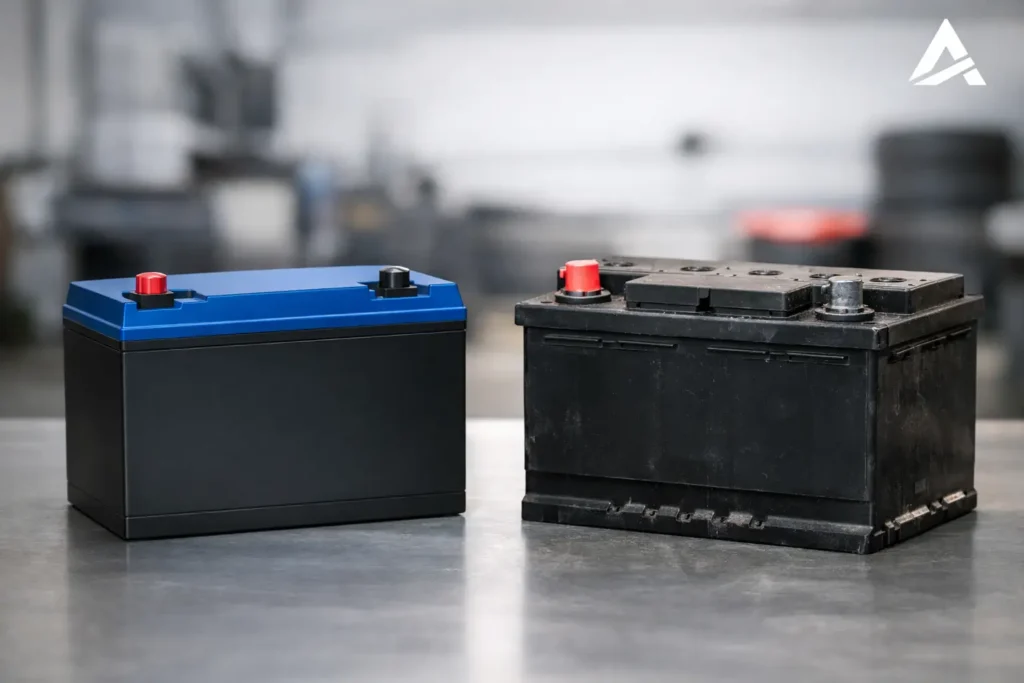
Finally, lifecycle performance must also be considered. Battery storage should not be evaluated solely on initial purchase price, but on cycle life, degradation, warranty coverage, safety standards, and maintenance requirements. Lower-cost equipment may appear attractive during procurement but often results in higher long-term costs due to shorter service life and reduced system availability. This is where the difference emerges between an investment that looks good on paper and one that consistently delivers value over ten years or more of demanding operation.
Integration with UPS Systems, Backup Generators, and Existing Infrastructure
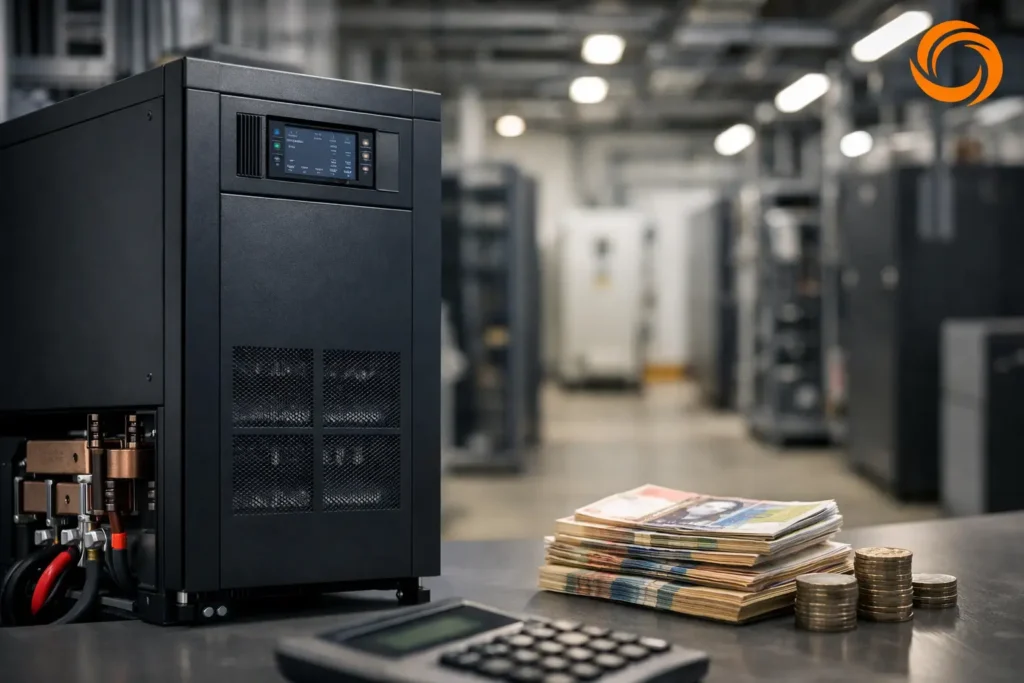
In industrial and mission-critical facilities, battery storage is rarely deployed as a standalone technology. Its greatest value comes when it operates alongside UPS systems, backup generators, monitoring platforms, and intelligent energy management controls.
For example, battery storage can provide immediate power response during disturbances, while diesel generators remain dedicated to extended outages. The UPS ensures uninterrupted power supply for the most sensitive equipment, while the BESS continuously optimizes energy flows across the facility. Although this architecture is technically more sophisticated, it provides significantly higher reliability than isolated solutions for facilities where downtime is extremely costly.
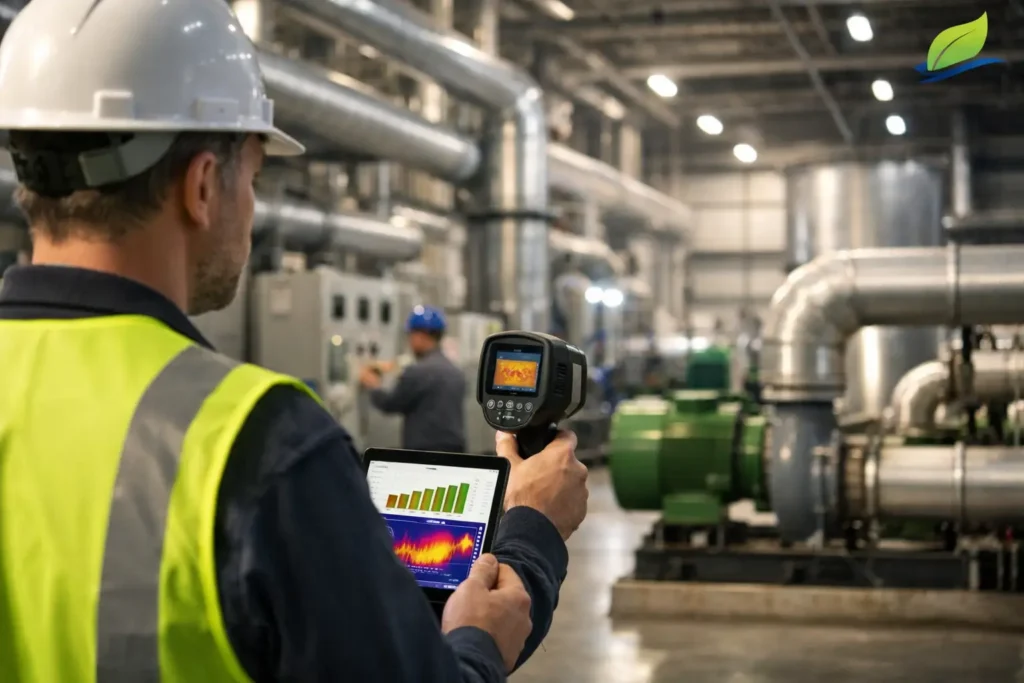
Energy management is equally important. Without an advanced Energy Management System (EMS), even high-quality equipment may operate below its full potential. When generation, storage, and consumption are continuously monitored and optimized in real time, businesses gain what matters most complete visibility and control over their energy resources.
The Financial Perspective: Lower Costs, Lower Risk
Ultimately, investment decisions are driven by financial analysis, but only when the analysis reflects the complete picture.
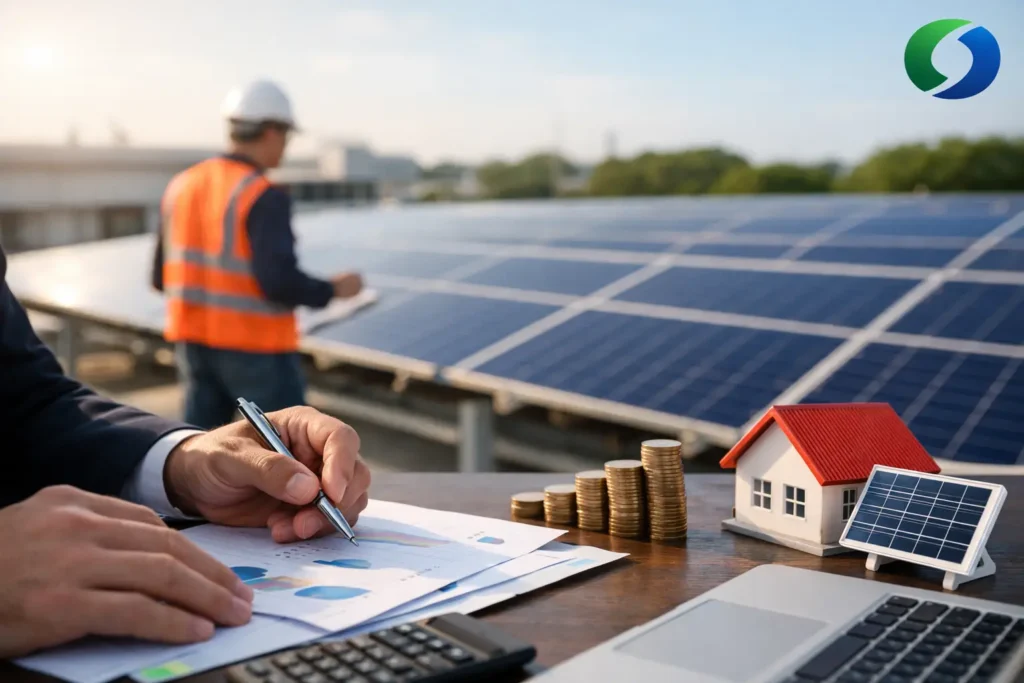
Solar and battery storage integration influences multiple financial variables simultaneously: reduced electricity purchased from the grid, lower peak demand charges, increased utilization of self-generated energy, reduced downtime risk, and greater predictability of future energy costs. Evaluating the investment solely through a simple payback calculation often overlooks the factor that matters most to executive management the resilience of business operations.
This is why professional investment evaluations adopt a Total Cost of Ownership (TCO) approach. What is the system’s lifetime cost? What maintenance expenses should be expected? How will battery degradation affect long-term performance? What is the financial value of avoiding production interruptions? Only by answering these questions can the investment be assessed within its true business context.
For many organizations, financing models, incentive programs, and phased implementation strategies also play an important role. In some cases, installing the solar power plant first and adding battery storage later provides the best return. In others, designing the complete system from the outset results in better sizing of grid connections, protection systems, and energy management architecture. The optimal approach depends on the facility itself, its consumption profile, and the investment horizon.
Why Choosing the Right Partner Is as Important as Choosing the Right Equipment
Projects of this complexity require clear accountability. When one supplier provides the solar panels, another delivers the batteries, a third installs the electrical infrastructure, and a fourth handles commissioning, the investor often ends up with a system that lacks a single point of responsibility for overall performance.
For this reason, the market increasingly favors integrated EPC partners capable of delivering the entire solution from energy analysis and engineering to procurement, installation, commissioning, and long-term maintenance. This approach is particularly valuable for complex facilities where solar generation, battery storage, UPS systems, backup generators, and HVAC infrastructure must operate as one coordinated energy system.
This is exactly where Energize positions itself, not as a supplier of individual components, but as a partner delivering fully integrated energy solutions that reduce operating costs, improve reliability, and simplify the management of complex energy infrastructure.
Making the Right Investment Decision
The real question is not whether solar and battery storage are attractive technologies. The real question is how to design a system that matches a facility’s operating profile, business risks, and investment objectives.
If you are planning a new solar installation or considering expanding an existing energy system, start with the data. Hourly consumption analysis, peak demand measurements, identification of critical loads, and future growth projections provide the foundation for informed decision-making. Only then should system capacity, battery sizing, architecture, and financing models be determined.
The best energy investments are not necessarily the largest ones they are the ones that are precisely engineered, technically integrated, and financially justified. When solar power and battery storage are implemented as a unified solution, businesses gain far more than lower electricity bills. They gain greater resilience, improved operational control, and an energy infrastructure that actively supports long-term business performance.