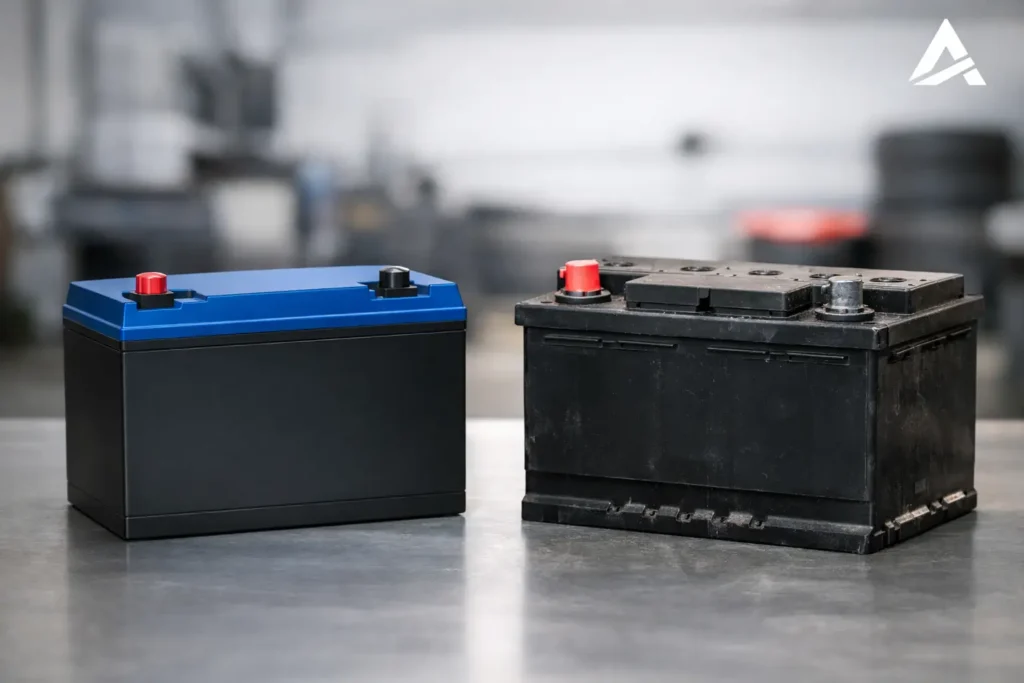
As the energy transition accelerates, batteries are becoming the backbone of modern energy systems. With the rise of solar, BESS, and electric vehicles, the European Union has introduced a new concept: the battery passport.
This is not just a technical update – it represents a major shift in how batteries are produced, used, and recycled.
What is a battery passport?
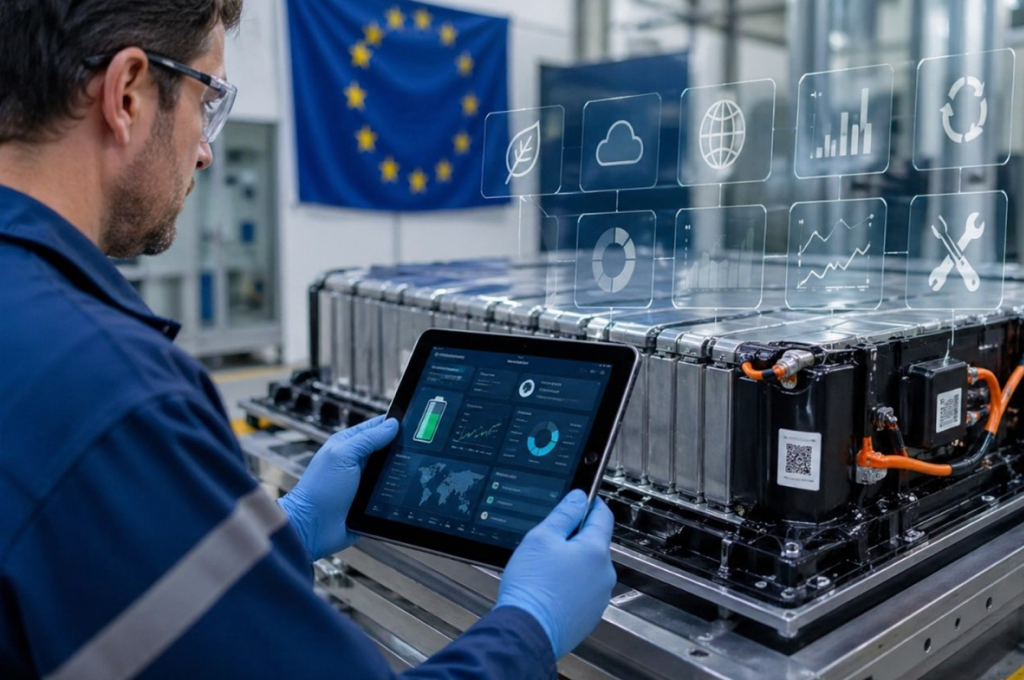
A battery passport is a digital record that tracks a battery throughout its entire lifecycle – from raw material extraction to recycling.
It is introduced under EU Battery Regulation 2023/1542 and will become mandatory from 2026/2027.
Think of it as a digital identity card for batteries.
What information does it include?
Battery passport includes wide range of data: origin of raw materials (lithium, cobalt, nickel), carbon footprint, technical specifications, performance and capacity over time, usage history, maintenance data and recycling information.
Why is the EU introducing it?
1. Sustainability
Reduce environmental impact of battery production
2. Transparency
Provide clear insight into battery quality and origin
3. Circular economy
Enable reuse and recycling (“second life”)
4. Market control
Prevent low-quality imports. Main regulation is EU Battery Regulation 2023/1542.
Even though the regulation is EU based, there are few differences between countries. In Germany, there is still very strict enforcement, and strong focus on CO₂ tracking.
France has sustainability-focused incentives and subsidy-linked compliance
Netherlands has quite advanced digital integration, and also they have smart grid alignment.
Poland and Romania are in development phase, so they have very investment-driven approach. For Balkans, and Serbia, battery passport is still not mandatory, even though it is required for EU exports, and recently became part of tender requirements.
Impact on industries
BESS will have mandatory compliance, easier financing and higher investor trust. EV charging will have better asset monitoring and improved performance tracking. For solar + storage, it becomes part of project documentation.
What does this mean?
If you want to enter the EU market, battery passports are mandatory. You will need to have compliant battery suppliers, updated documentation and digital tracking systems.
Companies that adopt early, ensure transparency and align with EU standards will benefit most.
Conclusion
The battery passport is more than regulation – it’s a new industry standard.
It will reshape battery trade, improve quality, accelerate clean energy adoption. For companies in CEE and the Balkans, this is a major opportunity.