How the System Works and How to Choose the Right Solution for Your Home
Solar panels on family homes are no longer something new or unusual. More and more households are thinking about how to produce their own electricity, reduce their energy bills, and become less dependent on the grid over the long term. However, as soon as people start seriously planning a solar system, the next question usually comes very quickly: do solar panels also need a battery?
This is an important question, because a battery system is not automatically a required part of every home solar installation. For some households, solar without a battery makes perfect sense. For others, the battery may be exactly the part of the system that makes the difference between “we have panels” and “we are truly managing our own energy intelligently.”
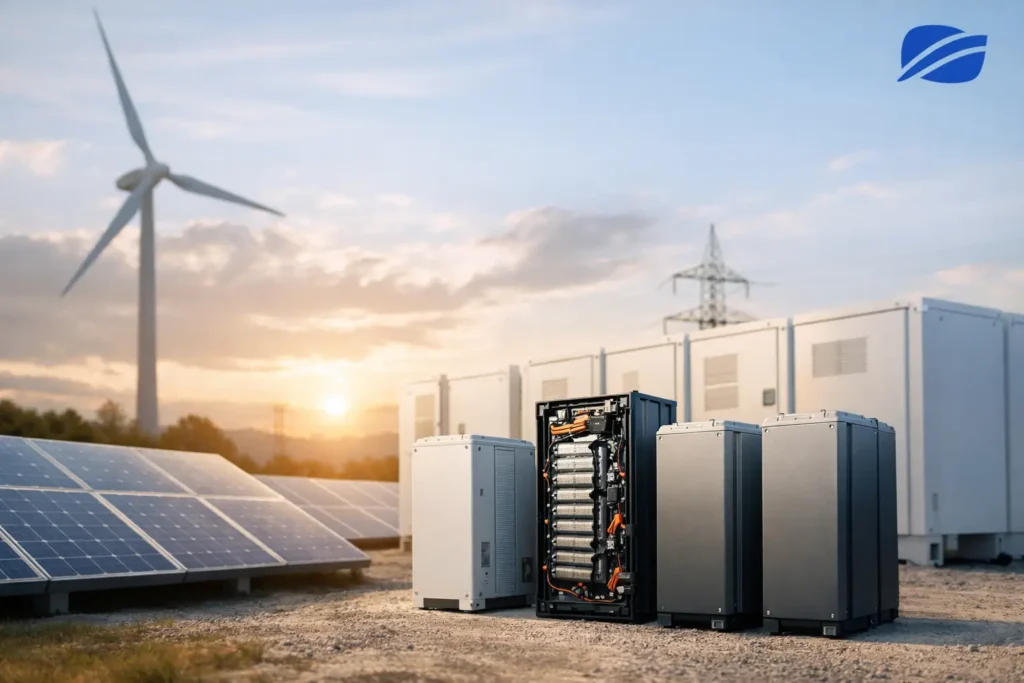
Simply put, solar panels generate energy during the day, while the battery stores excess energy for later use. That sounds simple, but behind it lies the whole logic of a home energy system: how energy is generated, how it is converted, how it is used, when it goes into the battery, when it comes out, and how a homeowner should decide whether such a system really fits their needs.
That is exactly why it helps to understand what a residential solar + battery system looks like in practice.
What does a home solar system with a battery consist of?
Although it may seem complex at first glance, the basic logic of the system is very straightforward when broken down into its main parts. In a family home, a solar system with a battery usually consists of:
- solar panels
- an inverter, most often a hybrid inverter
- a battery
- protection and control equipment
- household loads
- the utility grid
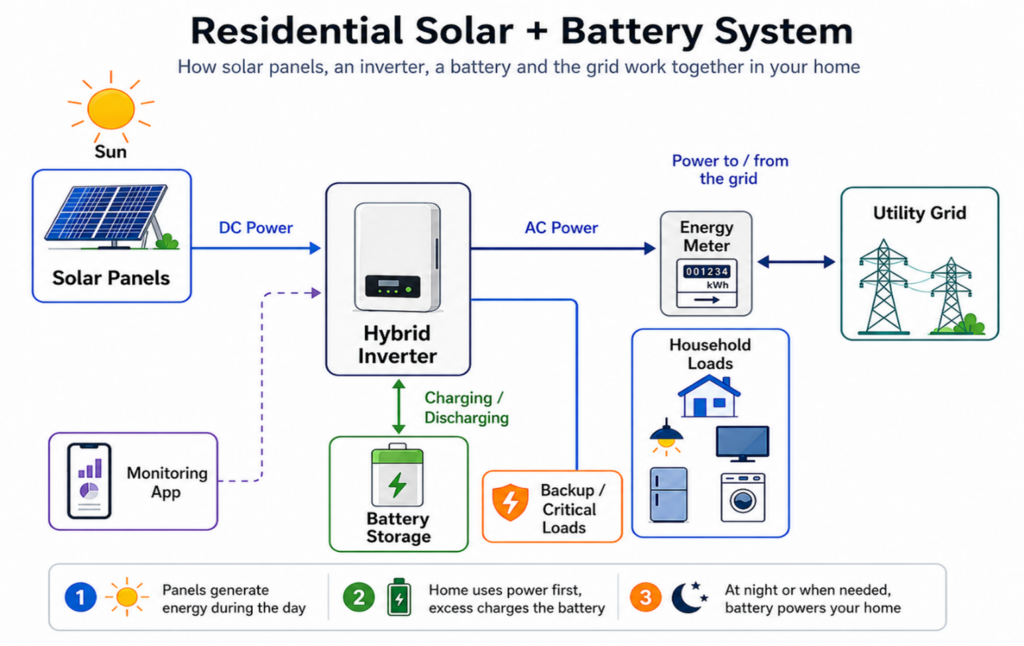
Each of these parts has a specific role, and only when they work together does the system reach its full value.
Solar panels
Solar panels are the first step in the chain. Their role is to convert sunlight into electricity. During the day, when enough sunlight is available, the panels generate direct current. The amount of electricity produced depends on several factors: system size, roof orientation and tilt, shading, weather conditions, and the season of the year.
For the homeowner, this simply means that the panels act as the “source” of energy. The better the system is designed, the more likely it is that the house will be able to cover a significant part of its own daytime consumption.
Inverter
The inverter is the central “translator” of the system. Solar panels produce DC electricity, while household appliances use AC electricity. The inverter therefore converts the energy into a form the home can actually use.
When the system also includes a battery, the most common choice is a hybrid inverter. It does not only convert electricity, but also manages energy flows between the panels, the house, the battery, and the grid. In other words, it decides where energy goes at any given moment.
That is why the inverter is one of the most important parts of the entire system. It largely determines how everything else works together.
Battery
The battery stores excess electricity produced during the day. When the panels generate more than the house is currently using, that surplus can be directed into the battery. Later, when the sun goes down or when household demand increases in the evening, the stored energy can be used instead of taking electricity from the grid.
This is the main reason why a battery is often seen as the next step in the evolution of a home solar system. Without a battery, the home mostly uses solar power only when it is being generated. With a battery, the homeowner gains the ability to save part of that energy for later.
For many users, this means greater energy independence, better use of their own solar production, and more control over their electricity bill.
Control and protection equipment
In addition to the main components, a serious home system also includes the proper protection devices, communication systems, metering, and monitoring. This is the part that may not look very visible, but it is essential for safe and reliable operation.
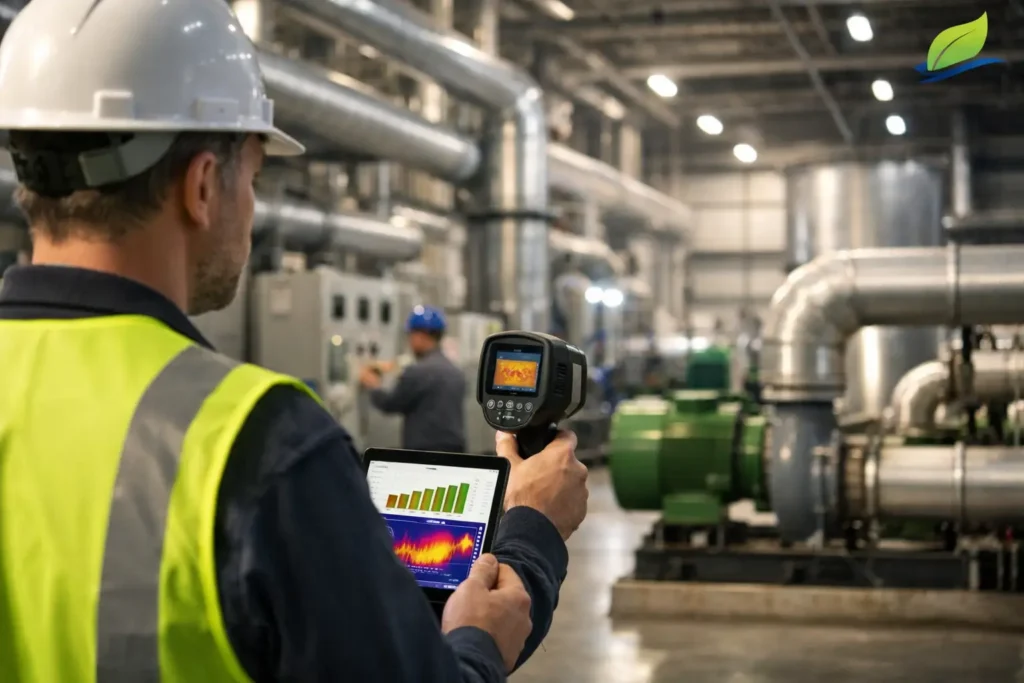
Today, quality systems often allow monitoring through an app, so the user can see how much energy is being produced, how much is being consumed, how much is going into the battery, and how much is being taken from the grid.
That is not just a convenient feature. It is also an important part of understanding how the home actually uses energy.
How does the system work in practice?
If we reduce the whole system logic to a simple flow, it looks like this:
during the day the panels produce energy → the house first uses what it currently needs → the surplus charges the battery → when the battery is no longer needed or is full, surplus energy can go to the grid → in the evening or during higher demand the house uses battery energy → when that is no longer enough, electricity comes from the grid.
In other words, the home always tries to use its own energy first, while the grid remains the backup when needed.
That is the main advantage of a battery system: energy is not used only when the sun is shining, but also when the household actually needs it.
Does a battery mean the house works during a power outage?
Not automatically.
This is one of the most important things homeowners need to understand. A battery does not automatically mean that the entire house will continue to operate normally during a power outage. That depends on how the system is designed.
Some systems can be configured to power only selected, predefined loads during an outage. These may include the refrigerator, part of the lighting, internet equipment, specific sockets, or other priority household circuits.
That means a battery can be part of a backup strategy, but only if the system is planned that way. That is why expectations must be clearly defined from the beginning: is the goal simply better self-consumption of solar energy, or also a certain level of backup power?
When does a battery make sense for a family home?
A battery does not make equal sense for every home. It brings the greatest value when at least one of the following conditions exists:
- the house uses most of its electricity in the evening
- there is a desire for greater energy independence
- the local grid is not completely stable
- the owner wants to save surplus solar energy for later
- additional protection for selected loads is important
- the goal is not only a lower bill, but also greater control over energy use
If the house already consumes a lot of energy during the day, while the panels are producing at full output, a battery may not be the first priority. But if the highest consumption happens in the evening, then a battery becomes a much more logical solution.
In other words, a battery is not a matter of trend, but of consumption pattern.
How do you choose the right solution for your home?
This is probably the most important part of the whole topic. Many users first ask how large the battery should be or which model is “the best.” But the real question is not which battery is the biggest or most expensive, but which one actually fits that specific home.
Start with your consumption habits. The first step is not choosing the battery, but understanding the house itself. It is important to know the annual electricity consumption, when consumption is highest, how much energy is used at night, andwhether there are devices you want to protect during outages.
Only when you know that can you judge whether you really need a battery and what role it can play in your system.
Look at capacity and power, not just “size”. With a battery, two things are especially important: capacity and power.
Capacity, usually expressed in kWh, tells you how much energy the battery can store. Power, expressed in kW, tells you how much energy it can deliver at one moment.
That means a battery may have good capacity, but if it does not have sufficient power, it may not be able to support multiple larger appliances at the same time. That is why looking only at the kWh number is not enough.
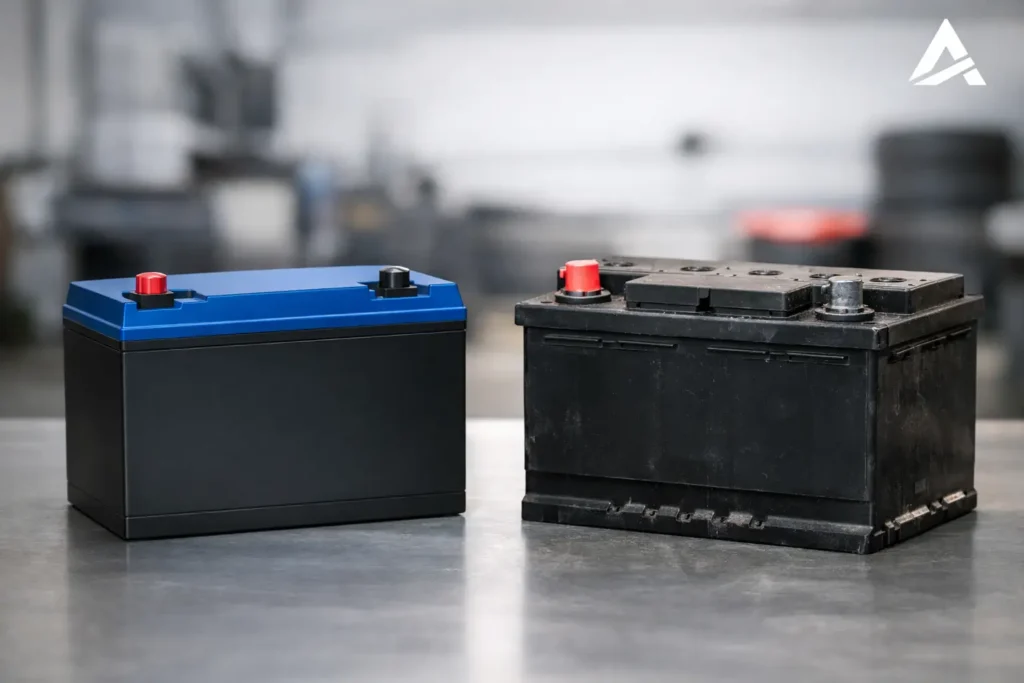
Pay attention to battery type. In residential systems today, lithium-ion batteries are the most common choice, especially LFP technology. These batteries are popular because they offer a good balance of safety, long service life, and high cycle count.
For the homeowner, that simply means the system should be reliable, durable, and stable, not just “new and modern.”
Check the installation space. A battery system is not only about equipment, but also about space. It is important to think in advance about where the system will be installed, whether there is a suitable technical room, garage, or other protected location, what the temperature conditions are, and how easily service access can be provided.
A good system is not chosen only by specification, but also by how realistically it fits into the home.
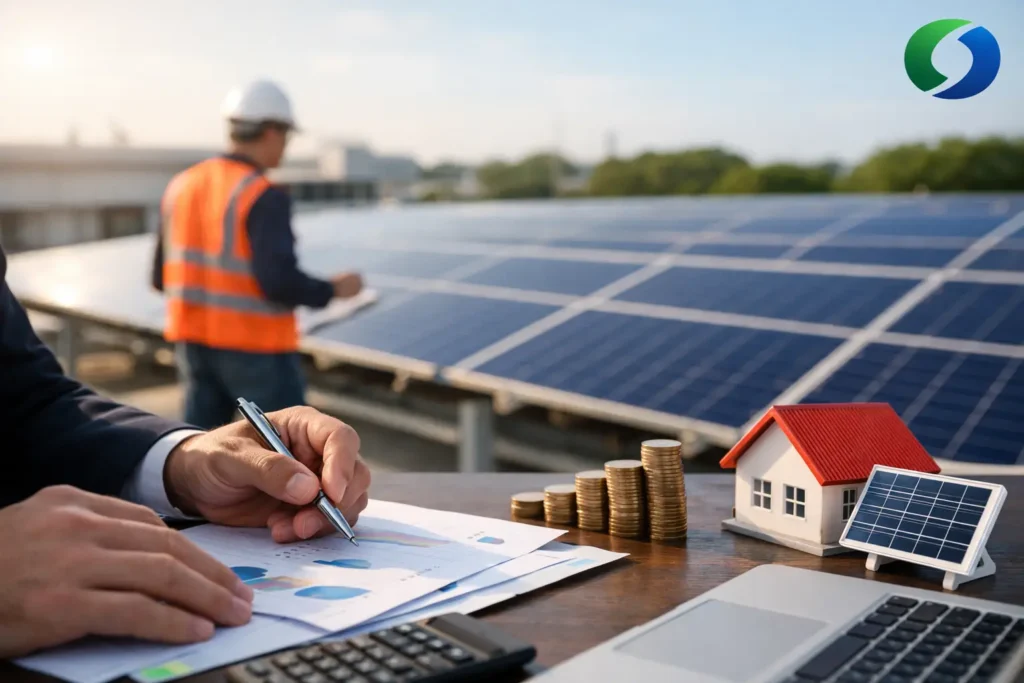
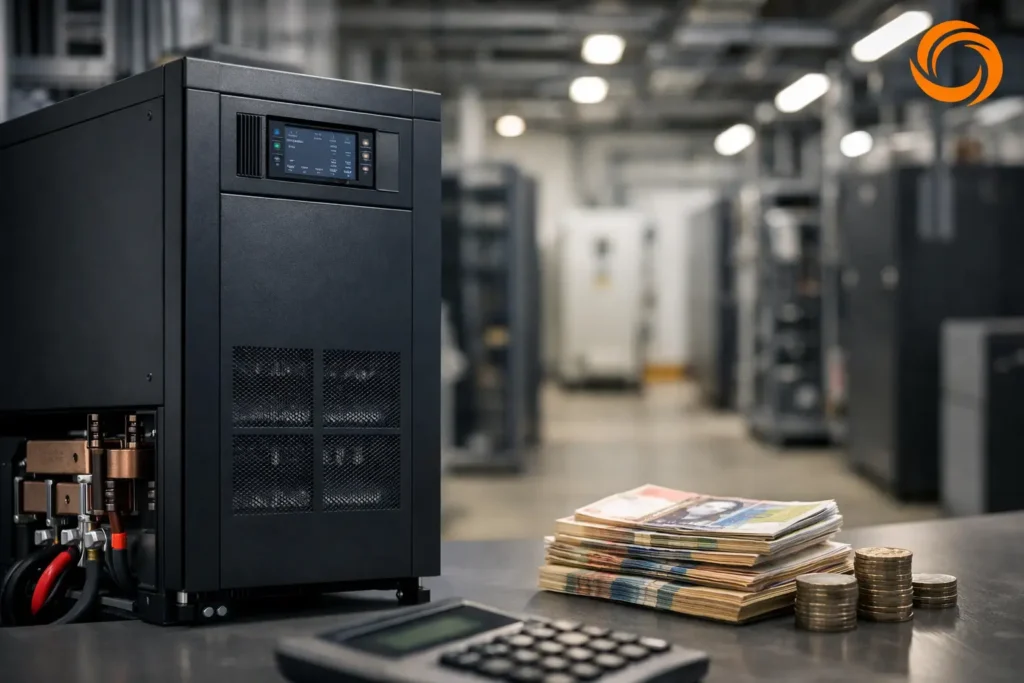
Look at long-term value, not just the initial price. The biggest mistake is to look only at the purchase cost. With a battery, it is also important to consider how long it lasts, what warranty it has, number of cycles and also how it is monitored and maintained.
In other words, you are not buying just a device, but a part of the home’s energy strategy for the years ahead.
What does a good choice look like in practice?
A good choice does not begin with the question: “Which is the best battery on the market?”
It begins with the question: “What does my home actually need?”
If the goal is to increase the use of self-generated solar energy, reduce dependence on the grid, and shift some consumption into the evening hours, then a battery can be a very logical step.
If the goal is only a basic solar investment and a lower electricity bill, it may be smarter first to size the panels and inverter properly, and only later think about adding a battery.
That is the essence of a good residential project: the system should not be the biggest possible, but the one most intelligently adapted to the real needs of the home.
Conclusion
A home solar system with a battery is not a solution that should be chosen out of habit or because it is trendy. For some homes it will be an excellent next step, while for others it may not yet be the priority. But when properly designed, it can deliver much more than the feeling of “having modern equipment.”
It can bring better control over your own energy, greater use of solar production, less dependence on the grid, and an extra level of security for important household loads.
The most important thing is not to make the decision based on “everyone is doing this now,”